
Last updated November 25, 2026
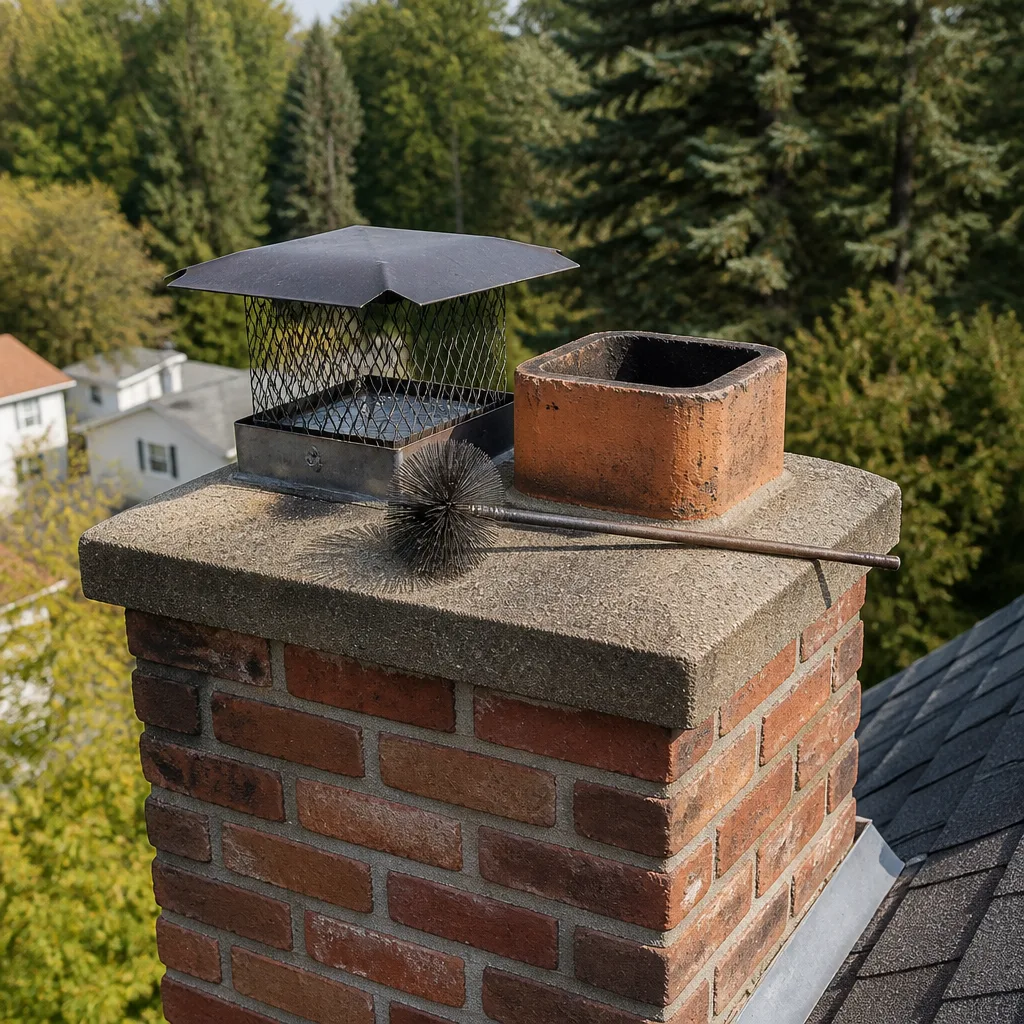 Sweep & inspection
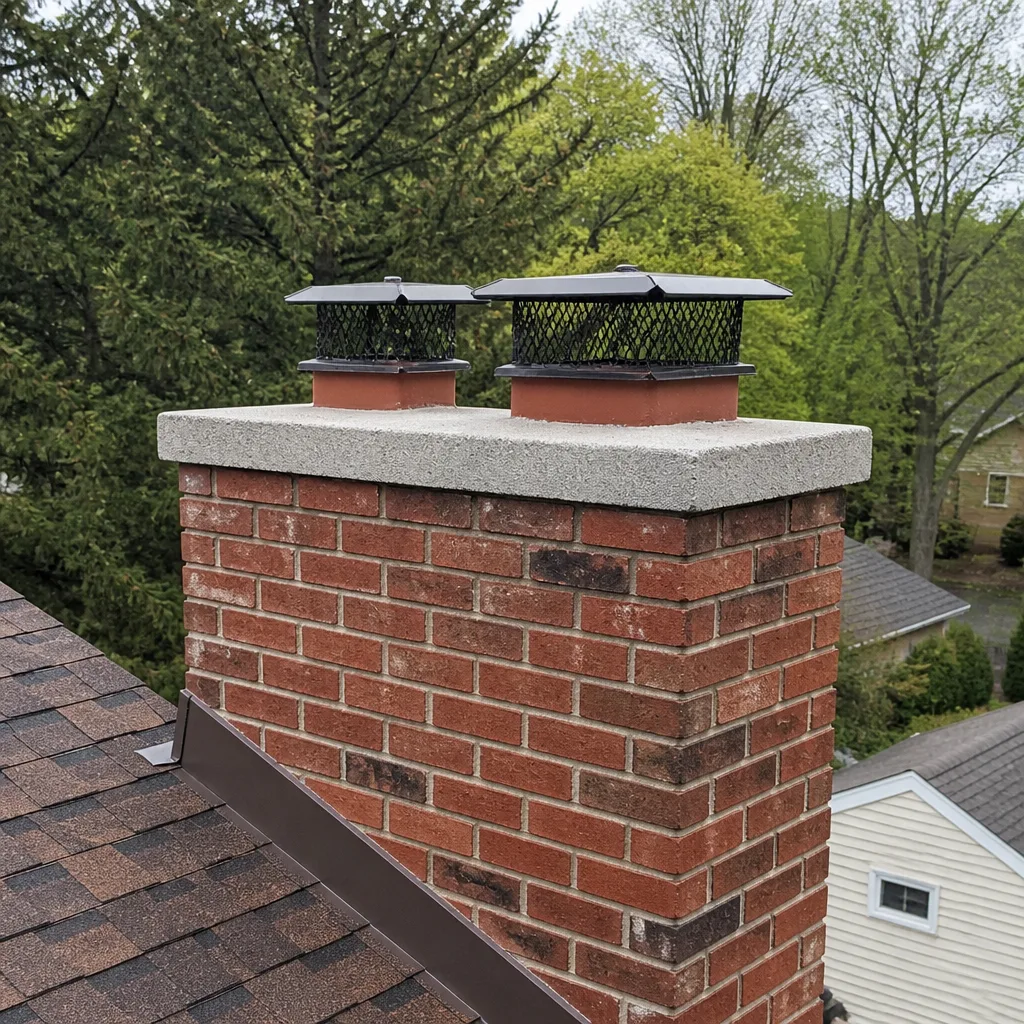 Caps & crowns
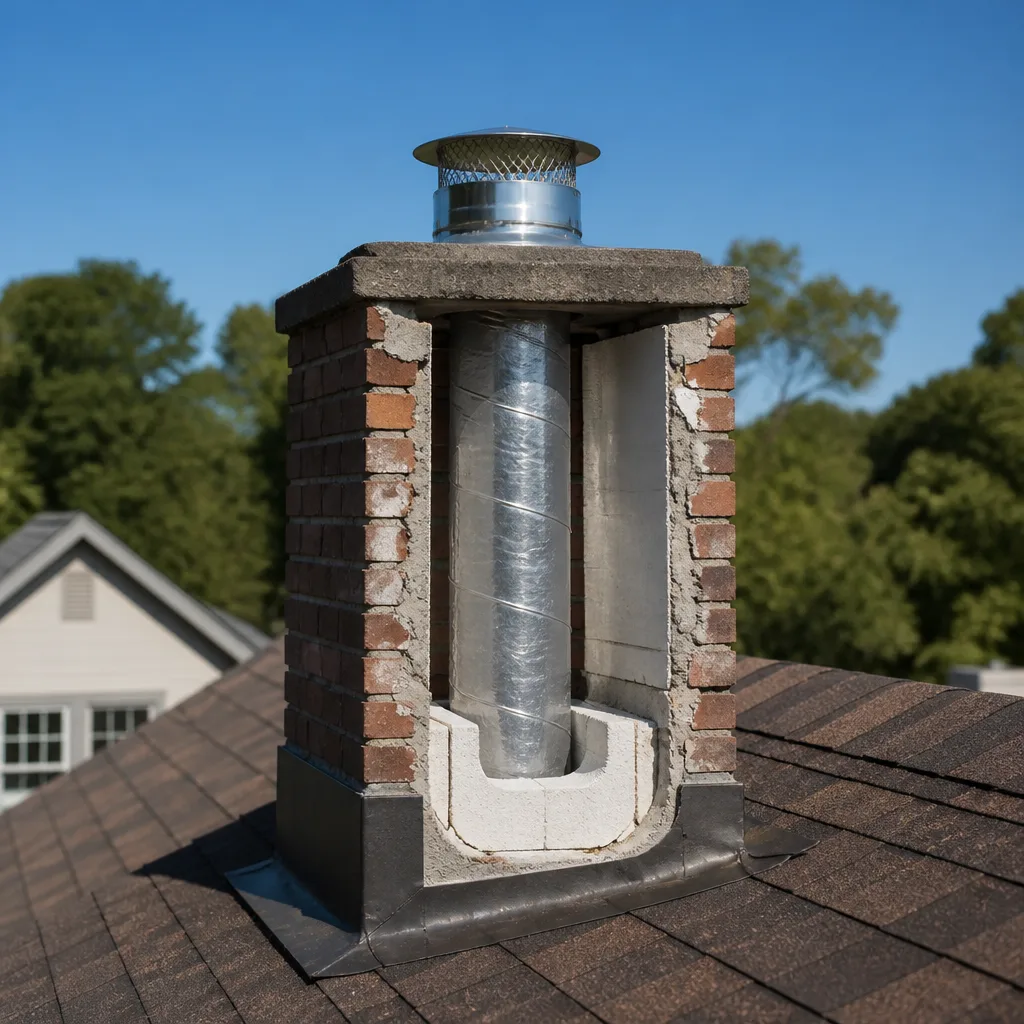 Flue relining
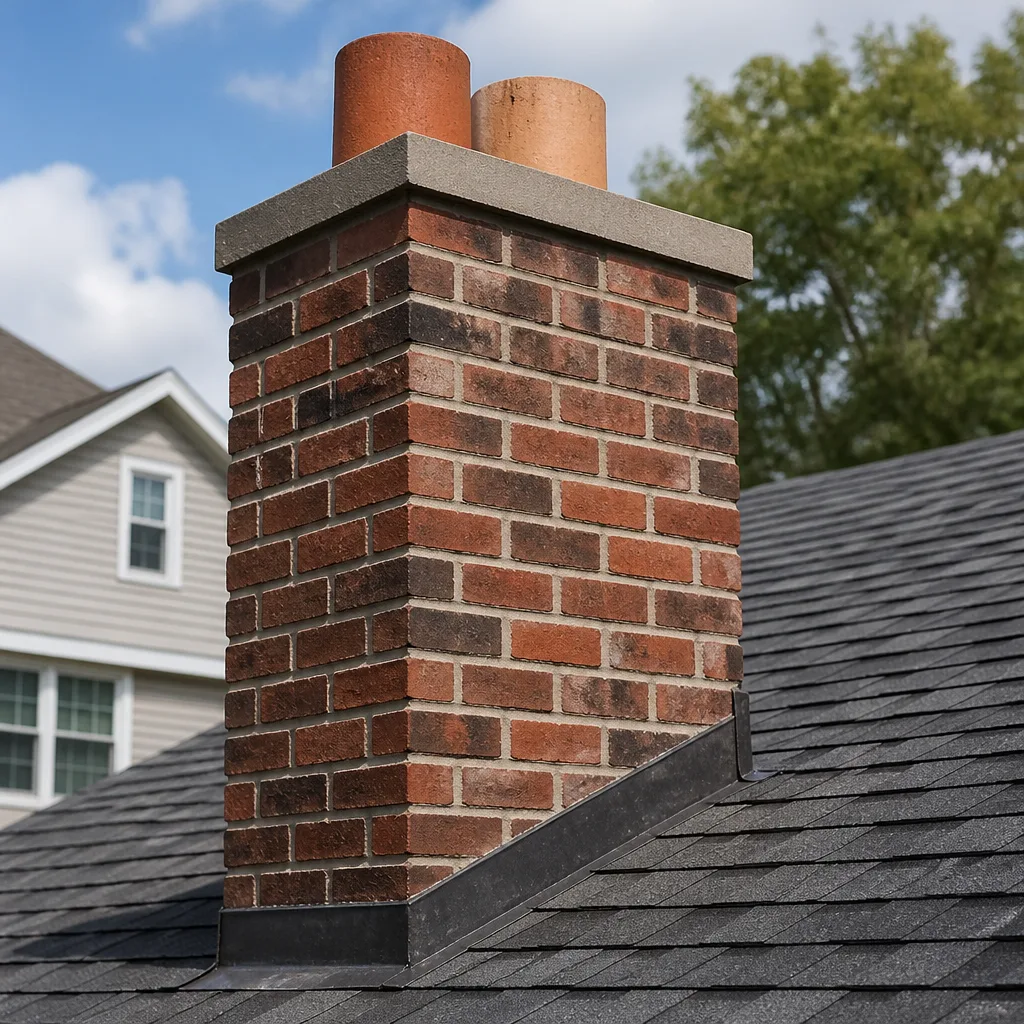 Masonry repair
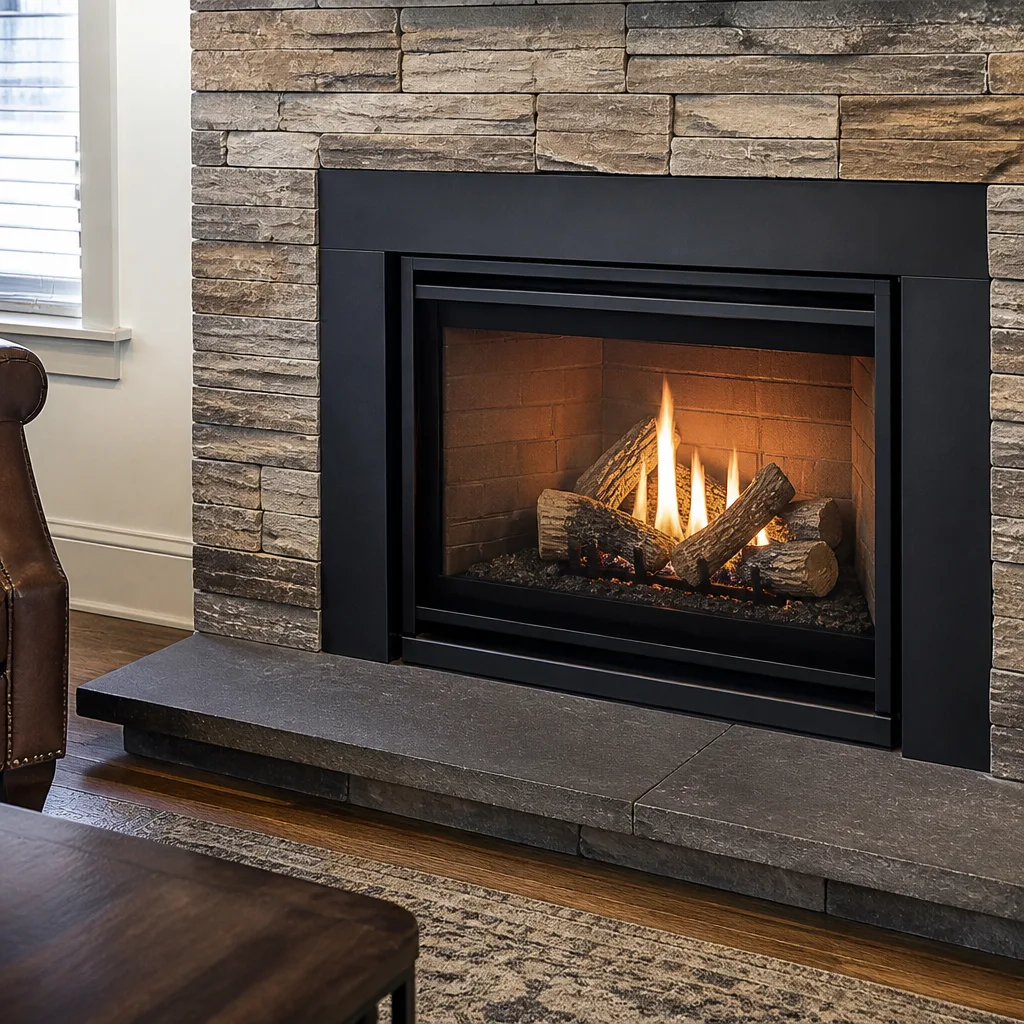 Gas fireplace service
Level 1 sweep and inspection to the NFPA 211 annual standard - flue, crown, cap, and flashing checked and photographed
Chimney sweep logs do not sweep chimneys. They loosen some creosote - which then falls where a brush and vacuum still have to collect it.
The Complete Guide to Chimney Cleaning in French Park
Most people assume that if the fire draws well and nothing is visibly falling onto the hearth, the chimney is clean. A chimney can pass a quick visual once-over and still be depositing burning creosote flakes onto your living room floor, because cleaning and inspection are two separate procedures and most companies bundle them without telling you which one you actually got. French Park’s mild winters mean the fireplace gets used in bursts rather than through a long cold season, and that intermittent use builds creosote differently than a cold-climate fire does. This guide maps the whole job from firebox to cap so you can tell a complete cleaning from a partial one.
Quick Answer
A complete chimney cleaning in French Park covers the firebox, smoke chamber, flue liner, and cap, performed by a technician who identifies the creosote stage before choosing a method and inspects the flue as part of the same job. If a sweep only brushes the flue and leaves, you haven’t had a full cleaning. Ask what’s included before the work begins, and ask what you’ll receive in writing afterward.
Styles & brands we work with
- Sweep & inspection
- Caps & crowns
- Flue relining
- Masonry repair
- Gas fireplace service
Table of Contents
- What Chimney Cleaning Actually Involves
- Inspection Levels and Which One You Need
- Creosote Stages and Why They Matter More Than Volume
- How French Park Housing Stock Affects the Sweep
- Firebox to Cap: Why Stopping at the Flue Is a Shortcut
- How to Read a Post-Service Report
- What Chimney Cleaning Costs in French Park
- How Often to Schedule Cleaning
What Chimney Cleaning Actually Involves
Cleaning removes deposits. Inspection evaluates the condition of the system those deposits sat inside. They happen in the same appointment, but they aren’t the same procedure, and knowing the difference is the first step toward understanding what you’re paying for. In our experience on French Park homes, a property can look presentable at the firebox and still have a glazed liner further up, or a cracked crown letting water into the masonry. The sweep finds deposits. The inspection finds what the deposits were hiding.
A complete cleaning covers four areas, and each one matters:
- Firebox: the brick or steel chamber where the fire sits. Soot, ash, and debris collect in the corners and along the seams and can’t be removed with a brush run down the flue.
- Smoke chamber: the sloped area directly above the firebox, where gases slow and turn before entering the flue. Creosote clings heavily here because the smoke cools at this transition, and it’s one of the most commonly skipped zones.
- Flue liner: the vertical passage. Brushed or rotary-cleaned depending on the deposit type, then inspected for cracks, gaps, or corrosion.
- Cap and crown: the top of the assembly. A blocked cap screen or a cracked crown is often the start of every other problem in the system, and checking them takes minutes once the technician is on the roof.
A sweep that stops at the flue leaves three of those four areas untouched. That’s the shortcut to watch for. When you schedule a chimney sweep, ask directly which of the four the price covers. The answer tells you whether you’re getting a cleaning or a brush-down.
Inspection Levels and Which One You Need
Inspection is a defined process, not a look down the flue with a flashlight. The chimney trade recognizes three levels, and which one applies depends on what’s happened since the last inspection.
- Level 1: A visual inspection of readily accessible portions of the chimney, firebox, and flue, without special tools. This is the routine check that accompanies an annual cleaning. It applies when nothing about the system has changed and you’re due for a standard sweep.
- Level 2: Adds a video scan of the flue interior and access to areas like the attic and crawl spaces where the chimney passes through. This is the level that applies after a change in the system, a change in fuel type, a structural event, or a first use of the season when the chimney’s history is unknown. It catches cracks and gaps a visual inspection can’t see.
- Level 3: Involves opening walls or other construction when a serious hazard is suspected and the lower levels can’t resolve it. Rare, but the appropriate choice when a problem needs direct access to diagnose.
If you’ve just moved into a French Park home and don’t know when the fireplace last saw a technician, Level 2 is the sensible first step. It’s the difference between assuming the liner is sound and knowing it. Our technicians have up to 15 years of experience, and the most common surprise they report is how much a video scan reveals behind a flue that looked fine from the hearth.
Creosote Stages and Why They Matter More Than Volume
Homeowners tend to ask “how much creosote is there?” but the better question is “what stage is it?” Creosote forms three ways, and each stage requires a different removal approach. Volume tells you how much work there is. Stage tells you what kind of work.
- Stage 1: Sooty, flaky, and relatively easy to remove with a standard brush. Common in fireplaces used lightly or with well-seasoned wood.
- Stage 2: Harder, crusty deposits that have begun to consolidate on the liner. Still removable, but it takes more mechanical work and the right tool, not a quick pass with a brush.
- Stage 3: Glazed, hardened creosote that has baked onto the liner surface. This is the most difficult to remove, the most combustible, and the stage that signals a cleaning method beyond routine brushing.
A sweep identifies the stage before choosing a method because the wrong method on the wrong stage either fails to remove the deposit or damages the liner trying. In French Park, where the burn season is stretched out over months and fireplaces get used in short bursts, deposits can build in layers rather than one even coating. Intermittent fires with incomplete combustion tend to produce harder stages. That’s why the technician should tell you which stage they found, not just that the chimney “needed a cleaning.”
If a liner is worn beyond what cleaning can fix, that’s when a relining conversation happens, often using HeatShield or a DuraFlex system. Those are the same materials certified chimney professionals rely on elsewhere, and matching the method to the condition of the liner is what separates restoration from guesswork.
How French Park Housing Stock Affects the Sweep
What a technician encounters inside a flue depends a lot on the house around it, and French Park’s housing covers a wide range. Older homes with stucco exteriors and masonry chimneys tend to have larger flue dimensions, deeper smoke chambers, and masonry that has settled and shifted over time. Tract homes built later often have prefab fireplaces with factory-built metal flues and specific clearances that can’t be altered. Each rewards a different approach, and neither can be assumed from the outside.
The stucco-and-masonry homes that make up parts of French Park bring particular attention to the crown and cap area. Masonry gathers moisture from the top down, and a crown that has cracked or loosened is the most common path for water to get into the chimney structure. That’s not a cosmetic issue; it’s how a sound flue liner becomes an unsound one between sweeps. Prefab fireplaces in the area’s newer homes mostly need their metal flues and cap screens monitored for corrosion and blockage, and the liner isn’t something you replace piecemeal.
Because the sweep is happening in both kinds of homes on the same day, the technician has to read each chimney before touching it. That’s why a full-system approach matters. A sweep who only knows masonry chimneys will misread a prefab, and someone who only handles prefab will miss what an older masonry flue is telling them. Our own focus is the opposite of a generalist: every technician we connect you with works on chimneys exclusively, not plumbing one day and flues the next, so the reading of the system is seasoned.
Firebox to Cap: Why Stopping at the Flue Is a Shortcut
The flue is the most visible part of chimney cleaning and the easiest to check off a to-do list. But cleaning the flue while ignoring the four other components of the assembly leaves you with a system that’s cleaner in one place and still failing somewhere else. A complete job runs through the whole chain in order.
- Protection: The work area is sealed off before anything is disturbed, so soot and deposits don’t end up in your living room. This is the step that most clearly separates a professional operation from a quick visit.
- Firebox and smoke chamber: Soot and creosote are removed from the firebox seams and the sloped smoke chamber, where fines collect and a flue brush never reaches.
- Flue liner: Deposits are removed with the method chosen for the creosote stage found, then the liner is inspected by camera.
- Cap and crown: The cap screen is checked for blockage, the crown for cracks or separation, and flashing for its seal against the chimney.
- Documentation: Findings are recorded and shared with you before anyone leaves.
That last point is where a lot of partial jobs end quietly. If there’s no record, there’s no way to compare this cleaning against the next one, and no way for you to verify what was found in the flue. A proper Chimney Sweep French Park job leaves you with a clear picture of what the chimney looked like inside. Anything less is a brush-down, not a cleaning.
How to Read a Post-Service Report
What you walk away with tells you as much about the sweep as what the technician did on the roof. A legitimate report should document the condition of the system component by component, note the creosote stage found, and flag anything that needs attention without pushing work you don’t need. If you’ve been told the chimney needs a new liner, the report should include video or photographic evidence you can look at yourself. If it doesn’t, ask for it, and don’t commit until you have it.
Here’s what a post-service report from a legitimate French Park sweep should contain:
- Date and scope: What was cleaned and what was inspected, in plain terms.
- Creosote stage: What was found in the flue, not just “cleaned.”
- Liner condition: Cracks, gaps, or deterioration noted, with the inspection level stated (Level 1, 2, or 3).
- Cap and crown condition: Screen intact or blocked, crown intact or cracked, flashing sealed or failing.
- Recommendations with evidence: Anything the technician wants to address should be paired with the reason, ideally with a photo or video still.
Read the report before you file it. If the recommendation is a substantial repair, compare it to what the technician actually documented. If the evidence isn’t there, or something can safely wait until next season, the report should say so. We’ll tell you exactly what we found and what it means before any work begins, and that includes telling you when the honest answer is “nothing needs doing right now.”
What Chimney Cleaning Costs in French Park
The cost of chimney cleaning in French Park is typically a per-job price set by a written estimate after the chimney is assessed, not a flat national rate. The final price is set by the written estimate, and the estimate is free. What affects the range is the creosote stage, the length and construction of the flue, and whether the job turns into a full-system cleaning or an inspection-only visit. A chimney with a heavy stage 2 or stage 3 deposit takes more work than a light annual sweep. A prefab flue takes a different method than a large masonry one.
What you should expect in a quote:
- A stated scope: which components are covered (firebox, smoke chamber, flue, cap and crown).
- The inspection level included and whether a video scan is part of it.
- The condition findings, in writing, before any repair work is added to the bill.
- A clear statement that the estimate is per job and the written estimate sets the final price.
We don’t quote a price before the chimney is assessed, because the price depends on what the flue is holding. That’s not unusual for chimney work; it’s the honest way to quote. Call (833) 482-6444 for an exact quote. Estimates are free, and the estimate you get is the price you agree to before scheduling.
How Often to Schedule Cleaning
The general guidance in the trade is a cleaning and inspection once a year for a fireplace in regular use. For French Park, where the burn season is spread across mild months and the fireplace often sees short, intermittent fires, that annual cleaning is still the right baseline, but the inspection matters as much as the cleaning. Deposits in a lightly used fireplace can consolidate more slowly but harder, and a chimney that held stage 1 creosote last season can be holding stage 2 by the next sweep.
Some situations warrant a cleaning sooner than the annual mark:
- First use of a new season when you don’t know the chimney’s history.
- Purchasing a French Park home with a fireplace you haven’t had inspected.
- Burning unseasoned wood, which builds harder deposits faster.
- Noticing smoke backing into the room, or a stronger smell from the firebox.
- After a chimney fire of any size, even if it seemed to put itself out.
- When a cap screen has been blocked or the crown has visibly cracked.
If the cap or crown needs replacement, that’s a chimney cap & crown job, and it’s worth doing before the next fire season rather than after, because a failing crown sends water into the flue lining all year.
Common Mistakes to Avoid
- Assuming a visual check is an inspection. A look down the flue from the hearth doesn’t catch cracks a video scan will, and those cracks are exactly what a Level 2 inspection is for.
- Skipping the smoke chamber. It’s the most commonly missed cleaning zone and one of the places creosote collects hardest. A cleaning that doesn’t touch it isn’t complete.
- Buying cleaning without asking the creosote stage. If the technician can’t tell you the stage, they may not have identified the deposit type before choosing a method, and that’s a problem for the liner.
- Treating a liner recommendation as a routine upsell. Sometimes it’s a genuine hazard, sometimes it isn’t. Ask to see the video or photo evidence before committing either way.
- Ignoring the cap and crown between seasons. A cracked crown or a blocked cap screen is often the beginning of every other chimney problem, and checking them is part of a proper sweep.
- Using a different generalist for every trade on the house. A technician who sweeps chimneys only sees more chimneys in a year than someone who does it as a side service, and that affects what they catch.
- Scheduling a cleaning but not reading the report. The documentation is how you and the next technician both track what the system has been through.
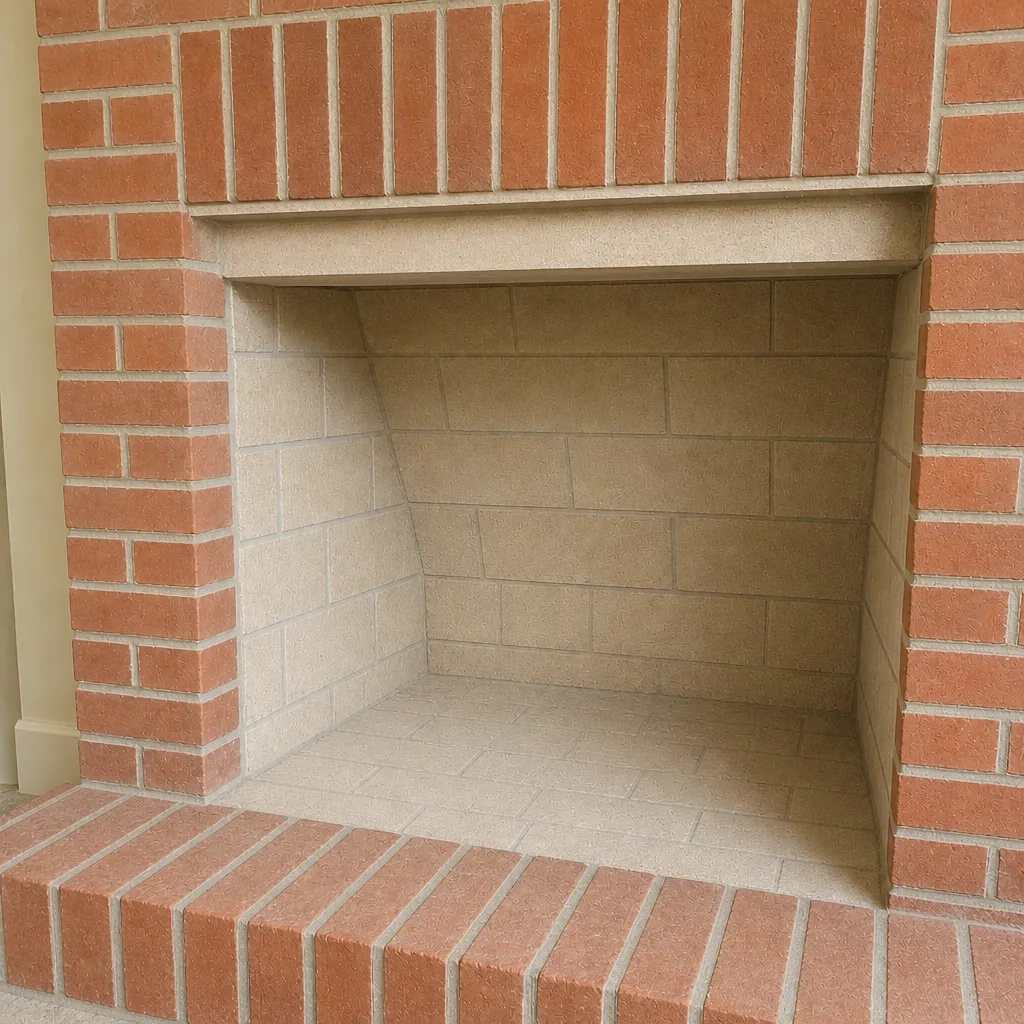
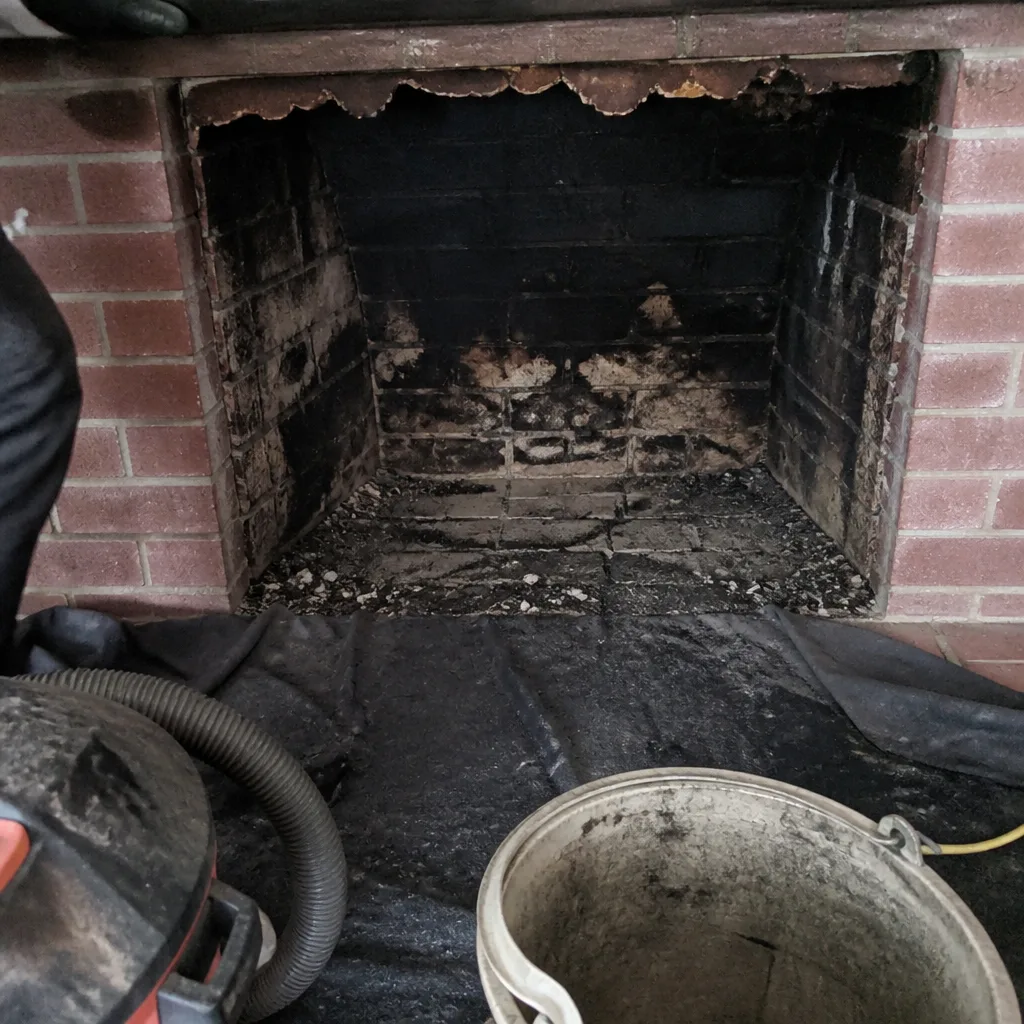
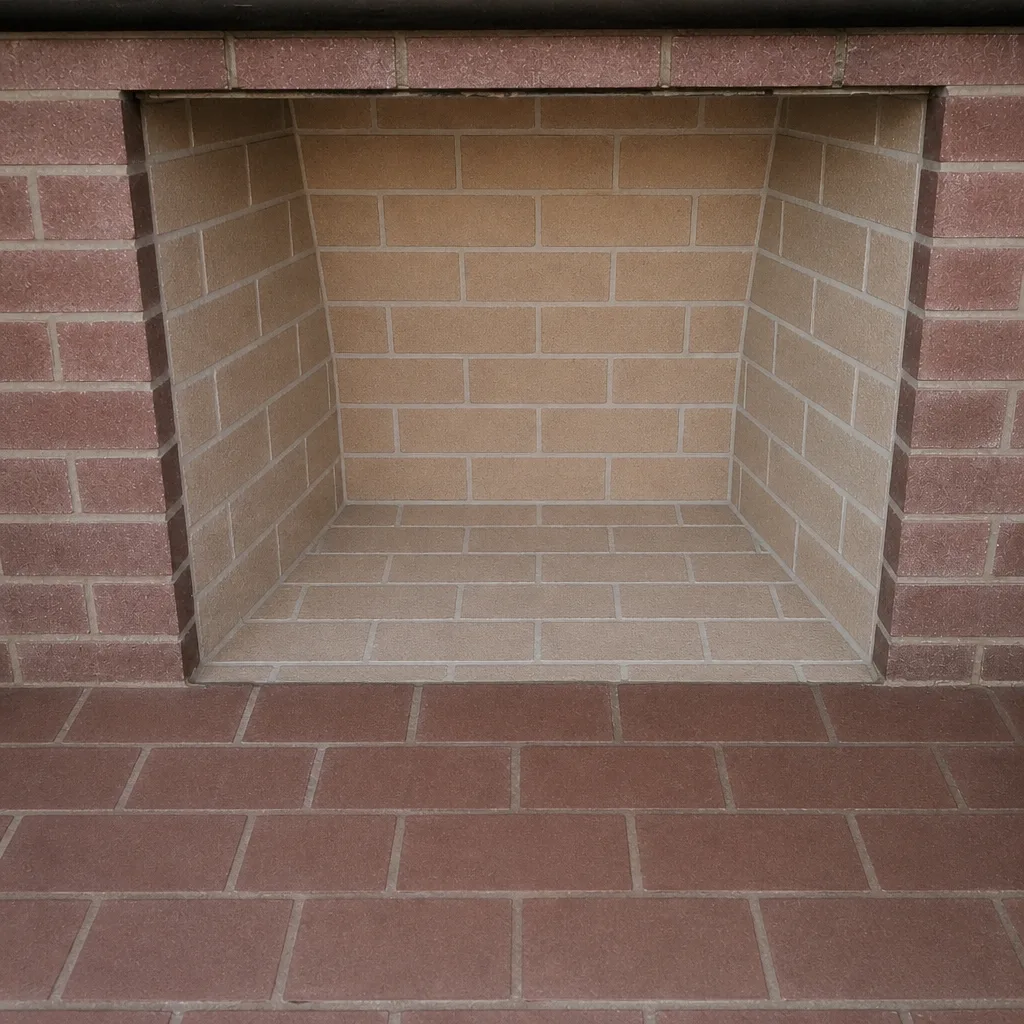
See the difference
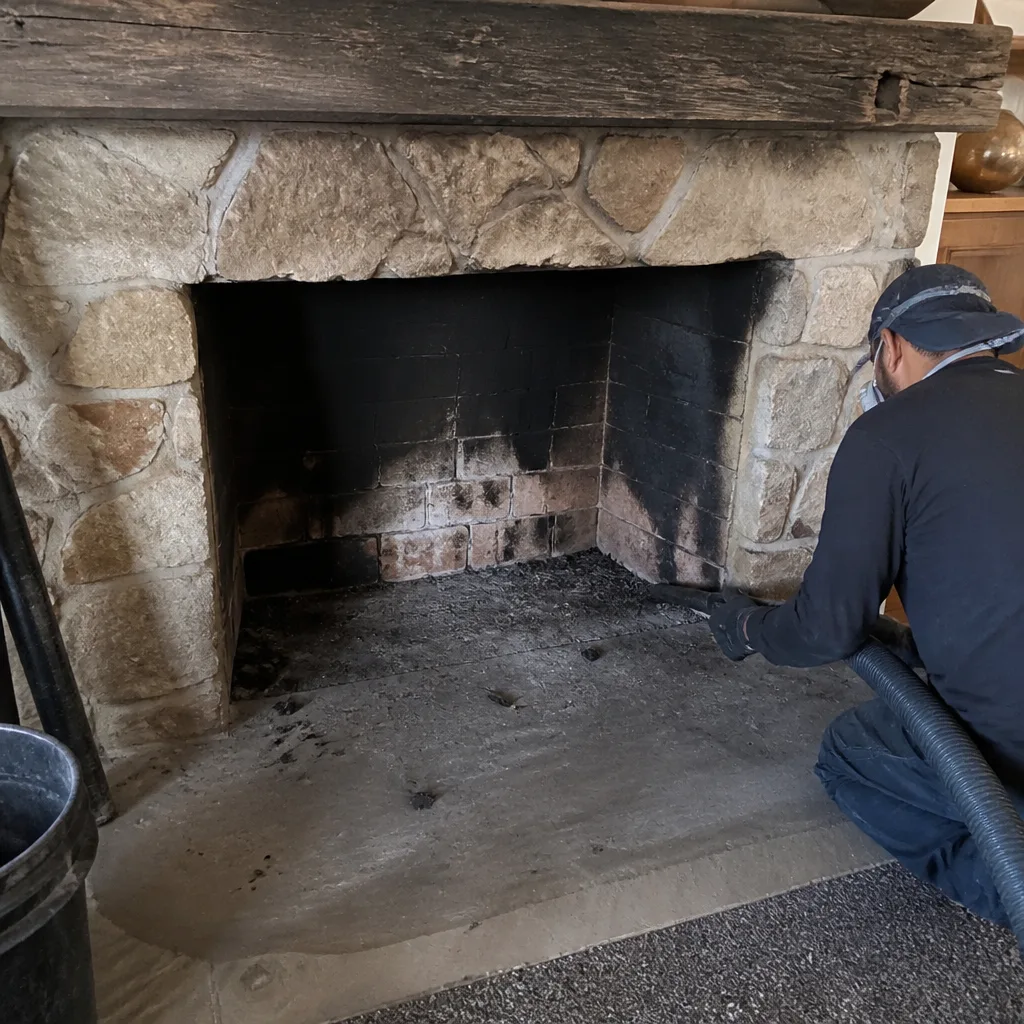 Before
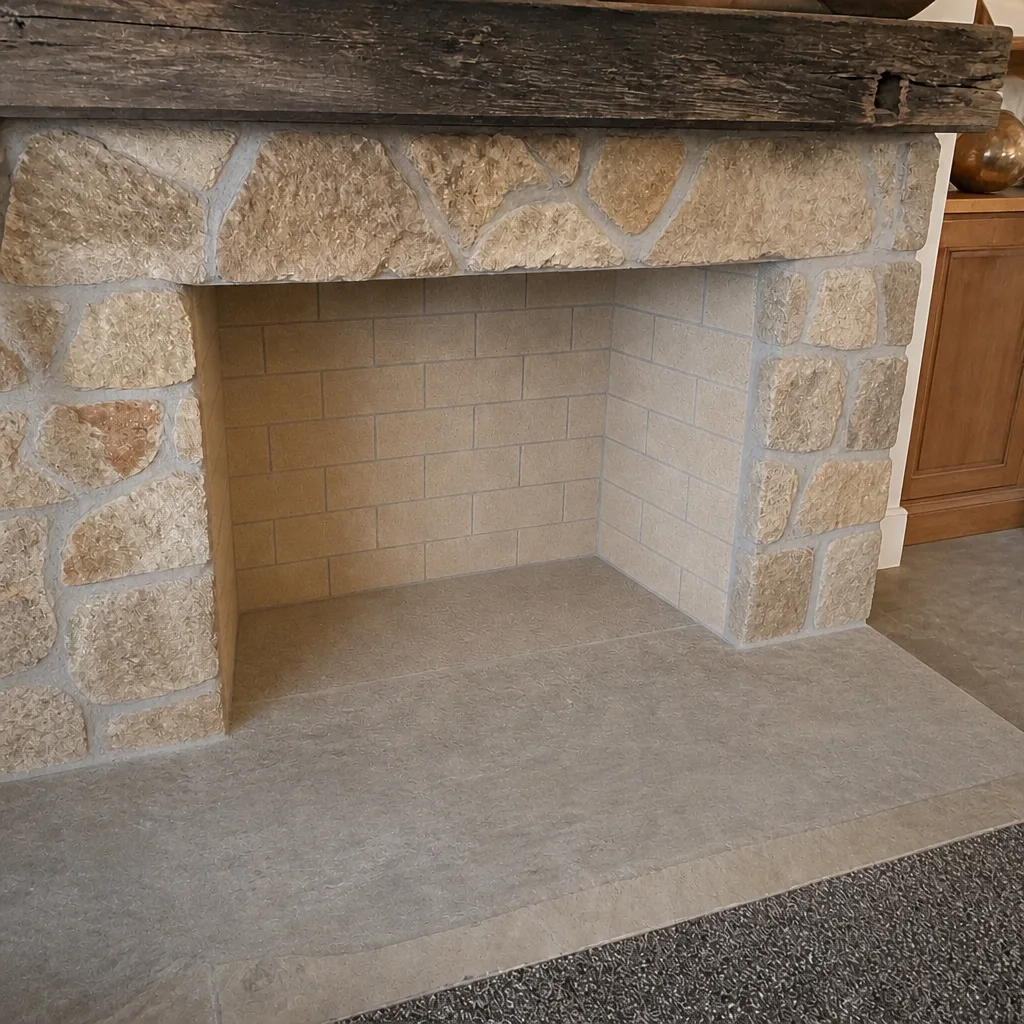 After
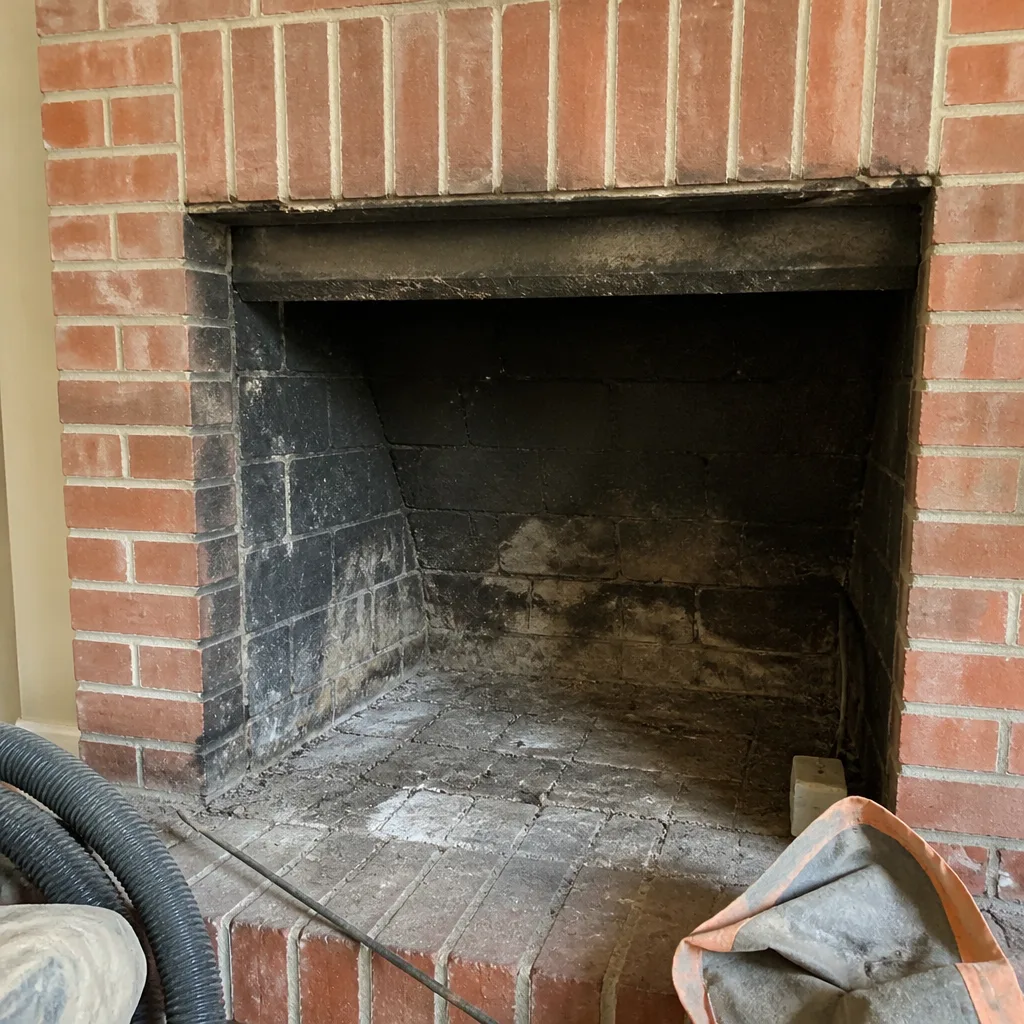 Before
 After
 Before
 After
When to Call a Professional
Call a professional when you don’t know the condition of the flue liner, when the fireplace is behaving differently than it used to (smoke backing into the room, a stronger smell, weak draw), when the cap or crown is visibly damaged, or when it’s been more than a year since the last cleaning and inspection. Call right away after a chimney fire, and call before using a fireplace in a home you’ve just moved into. French Park homeowners who are unsure whether the problem is serious should treat the call as cheap insurance: the written estimate is free and the findings belong to you. Chimney Sweep French Park offers free estimates in French Park. Call (833) 482-6444. We answer 24/7. Fast dispatch from 7am to 7pm, Sunday through Friday.
Frequently Asked Questions
Once a year for a fireplace in regular use, and sooner if you’ve just moved in, if you’re burning unseasoned wood, or if you’ve had a chimney fire. The annual sweep should pair with an inspection, not replace it. Call (833) 482-6444 for an exact quote on scheduling one. Estimates are free.
Pricing is per job and set by a written estimate after the chimney is assessed, so the range depends on the creosote stage, flue construction, and whether the job is a full cleaning or an inspection. The estimate is free, and the written estimate sets the final price. Call (833) 482-6444 for an exact quote. Estimates are free.
Cleaning removes deposits; inspection evaluates the system’s condition. They happen in the same appointment but are separate procedures, and only an inspection (at the appropriate level) tells you what condition the flue, cap, and crown are in. Ask which level is included.
After a change in the system, a change in fuel type, a structural event, or a first use of the season when the chimney’s history is unknown, Level 2 is the appropriate inspection because it includes a video scan of the flue. Routine annual visits with no changes usually call for Level 1. Call (833) 482-6444 and we’ll tell you which applies.
The firebox, smoke chamber, flue liner, and cap and crown, plus documentation of findings. A cleaning that stops at the flue leaves three components untouched. That’s the shortcut to watch for, and it’s worth asking about before the appointment.
Creosote builds and hardens, and a harder stage is more difficult to remove and more combustible when it catches. A cracked crown or a blocked cap screen can also go unnoticed and allow water or wildlife into the system between sweeps. Skipping a season is how a routine cleaning becomes a repair. Call (833) 482-6444 for an exact quote. Estimates are free.
The Bottom Line
Chimney cleaning in French Park is a system of dependent steps, not a single brush pass. The creosote stage decides the method. The housing stock, whether older masonry or prefab, decides what the technician needs to look for. The inspection level decides what they’ll actually see. And the post-service report is how you verify any of it happened. If you want one point of contact for the firebox through the cap, a single-trade chimney specialist covers the whole assembly. If something is flagged, ask for the evidence before agreeing to it. For related work on the fireplace itself, see fireplace repair, or read the chimney sweep service details before scheduling.
Contact
Chimney Sweep French Park offers free estimates in French Park. Call (833) 482-6444. We answer 24/7. Fast dispatch from 7am to 7pm, Sunday through Friday. The written estimate sets the final price, and nothing is recommended without evidence you can look at yourself.
Written by the team at Chimney Sweep French Park.