
Last updated November 25, 2026
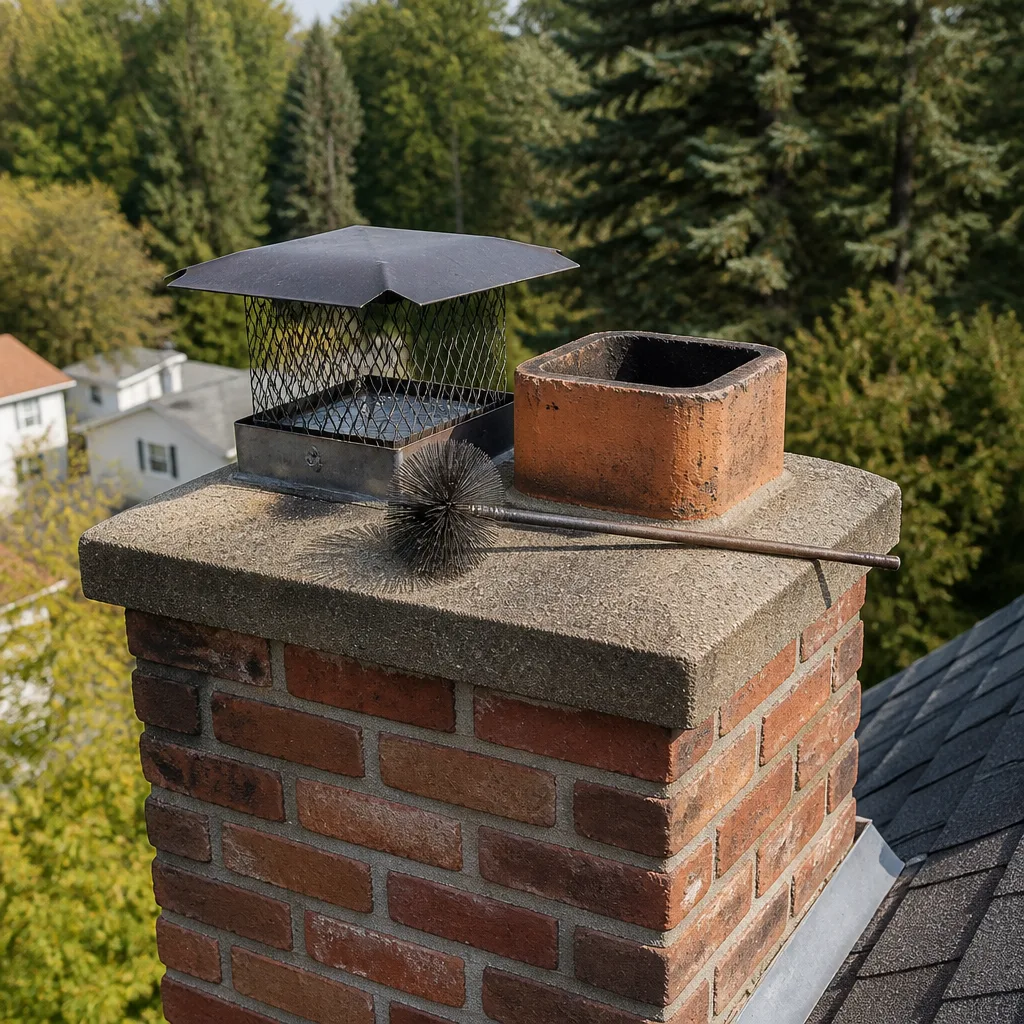 Sweep & inspection
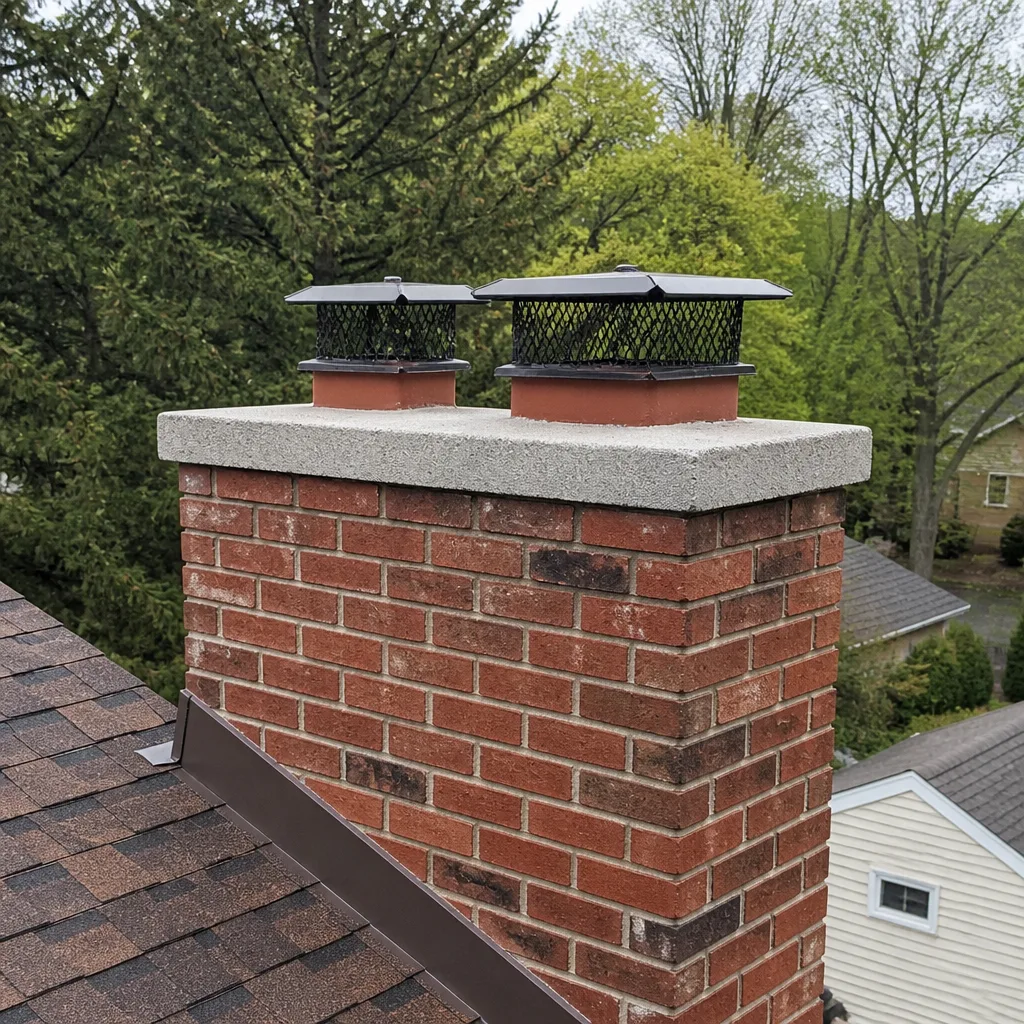 Caps & crowns
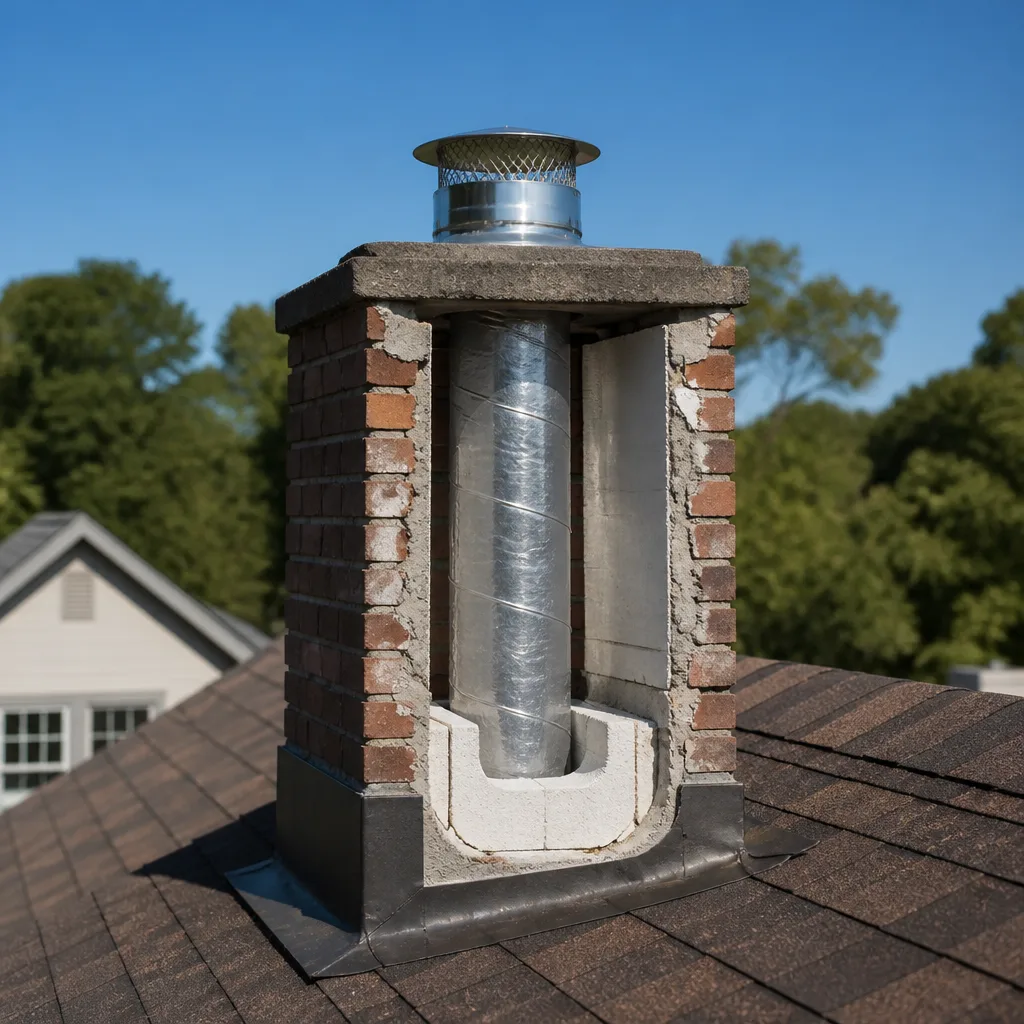 Flue relining
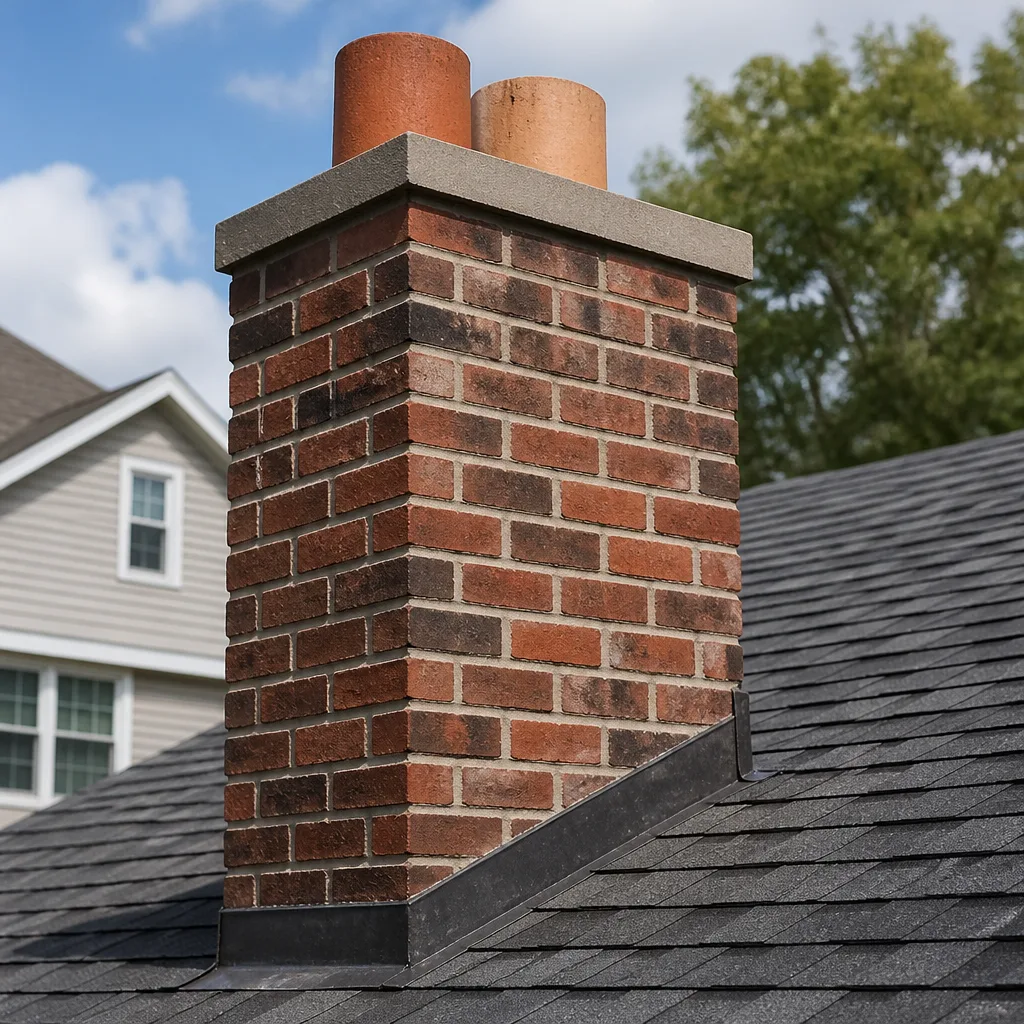 Masonry repair
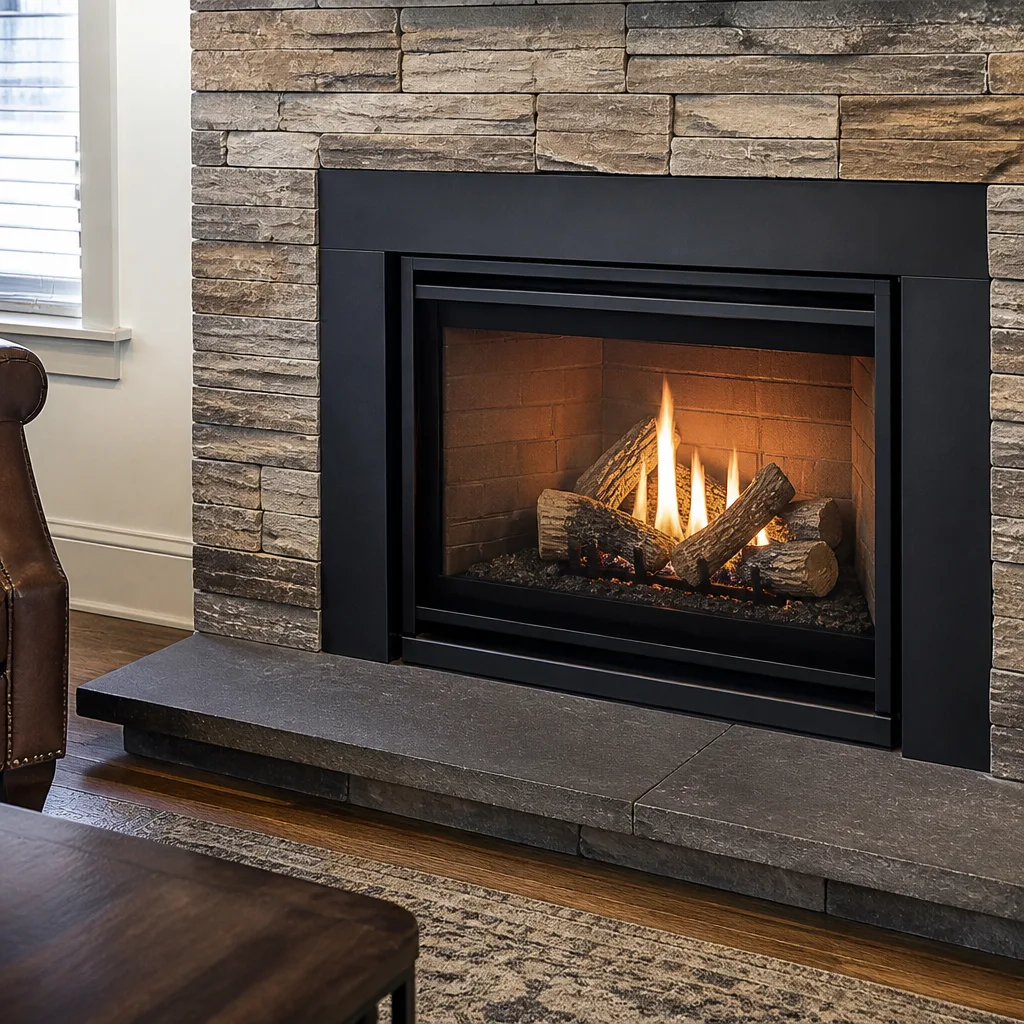 Gas fireplace service
Level 1 sweep and inspection to the NFPA 211 annual standard - flue, crown, cap, and flashing checked and photographed
Chimney sweep logs do not sweep chimneys. They loosen some creosote - which then falls where a brush and vacuum still have to collect it.
Seasonal Chimney Cleaning Care for French Park: Year-Round Homeowner’s Guide
Most chimney advice you’ll find online was written for a part of the country with real winters, where the whole calendar revolves around getting the flue swept before the first cold snap. That advice doesn’t fit French Park, and following it can actually leave you with a dirtier, more combustible flue heading into the season that matters most here. This guide explains the maintenance rhythm that suits our climate: a late-summer cleaning before smoke season, a spring check most people skip, and a full-system look that catches small problems before they become repairs. By the end, you’ll have a calendar you can actually follow.
Quick Answer
In French Park, the most useful time to have your chimney cleaned is late summer, before wildfire smoke and airborne ash add combustible debris to whatever’s already coating your flue, followed by a spring inspection after the burn season ends. How often you need service depends on how much you burn: light users can often go a couple of seasons between sweeps, while regular burners should have the flue cleaned every year.
Styles & brands we work with
- Sweep & inspection
- Caps & crowns
- Flue relining
- Masonry repair
- Gas fireplace service
Table of Contents
- Why Late Summer Is the Real Pre-Season in French Park
- What Happens to a Chimney Sitting Through a Dry French Park Summer
- The Spring Post-Season Check Most Homeowners Skip
- How Local Humidity Swings Affect Creosote Formation
- Your French Park Maintenance Calendar
- Service Intervals by How Much You Burn
- What a Seasonal Visit Actually Covers
Why Late Summer Is the Real Pre-Season in French Park
The standard “sweep in fall before you light the first fire” advice comes from places where summer is humid and the air is clear. In French Park, late summer brings the opposite: dry air, a build-up of airborne ash from wildfire smoke across the region, and a flue that has been quietly coated since last season. That ash doesn’t just sit on the flue walls. It mixes with existing creosote and other deposits, and a deposit that was thin in April can be meaningfully thicker by August.
Here’s why that matters. Creosote ignites at temperatures a working chimney can reach, and a heavier, ash-fouled layer lowers the threshold. You don’t need to burn hotter to create a risk; you just need a dirtier flue and a normal fire. We’ve seen plenty of French Park homes where the flue looked fine in the fall because it hadn’t been examined since the previous spring.
There’s a second, quieter issue. During smoke events, fine particulates can be drawn into a cold, idle chimney through negative pressure inside the house. A flue that’s cooled down pulls air, and with it ash, down toward the firebox. Some of that settles on the smoke shelf and damper area. So the late-summer sweep is doing two jobs: removing what your own fires left behind, and clearing what the season deposited.
If you burn regularly, book the cleaning before the first cool evening when you’re tempted to light up. Doing it first means the fire you enjoy is burning in a clean flue. That’s the whole point of a seasonal rhythm: clean before you burn, not after you’ve already started.
What Happens to a Chimney Sitting Through a Dry French Park Summer
An unused chimney is not an idle chimney. Over a hot, dry French Park summer, several things happen to a flue that sees no fire for months.
- Pest infiltration. Birds, squirrels, and insects look for shelter and find an uncapped flue appealing. A missing or damaged cap is an open door. Nests block drafting and are themselves combustible, and once a fire starts they can be drawn up against hot flue walls.
- Mortar contraction. The masonry around the flue expands when hot and contracts when cold. A long stretch with no fire and wide day-to-night temperature swings works that joint mortar back and forth. Small cracks open, and they don’t close themselves.
- Moisture cycling without rain. Even in dry months, the morning marine layer and overnight dew put moisture on the chimney’s exterior, especially on north faces and shaded sides. That moisture finds hairline cracks, and when the sun hits, it evaporates and the cycle repeats. Each pass widens a crack a little more.
- Crown and flashing wear. The crown at the top of the chimney and the flashing where it meets the roof take weather year-round. A crack in the crown lets water into the chimney’s core, and that’s how interior damage starts.
None of this announces itself. The value of a summer or early-fall look is that it catches these things while they’re still cheap and small, before a simple crack turns into a rebuild of the crown or a liner replacement. A component like a Famco cap or properly seated flashing is a modest fix next to the structural work a long-neglected crown can require.
The Spring Post-Season Check Most Homeowners Skip
Spring is when most French Park homeowners decide they’re done with the fireplace until fall, close the damper, and forget the chimney until they smell something odd in October. That’s the mistake. The end of the burn season is the single best time to assess what the winter actually did to your chimney, because everything that happened is fresh and visible.
A spring visit here isn’t about cleaning. It’s about looking: the firebox, the damper, the smoke chamber, the flue, and the exterior at the cap and crown. This is where the difference between a real inspection and a quick glance shows. A chimney sweep visit in spring lets us see the flue before summer deposits complicate the picture, and we can tell you plainly what condition it’s in.
Why bother if you barely used it? Because a chimney degrades whether you burn or not. The mortar, crown, and flashing don’t pause their wear. Spring inspection catches the early signs and gives you time to schedule any repair in the dry months, when the work is easier and nothing’s urgent. If you find an issue in October, everything becomes a scramble before the first fire.
Think of it as two checks a year, each with a different job: a late-summer clean to make the flue safe to use, and a spring look to catch what the season left behind. The second one gets skipped far more often, and it’s the one that saves you money over time.
How Local Humidity Swings Affect Creosote Formation
Creosote forms when wood smoke cools and condenses on the inside of the flue. How fast it forms depends partly on the wood, partly on how you burn, and partly on the chimney’s temperature. In a humid climate, the flue stays warm longer and cooling is more gradual. In French Park’s dry air with sharp overnight temperature drops, a flue can cool quickly after the fire dies down, and that rapid cooling is exactly what encourages condensation.
The result is creosote that forms differently than the textbook descriptions assume. It may not be a thick, tar-like glaze; it can be a flaky, brittle deposit that looks harmless and still ignites. Dry, warm daytime air also helps that deposit dry out and become more combustible, not less. This is one reason we don’t judge a flue by appearance alone. The condition that matters is what’s actually on the walls, and that’s something a proper inspection and cleaning reveals.
Two practical levers make a real difference in how fast your flue fouls:
- Burn dry, seasoned wood. Wet wood makes more smoke, and more smoke means more condensation. Seasoned wood burns cleaner and leaves less behind.
- Don’t smother the fire. Damping a fire down to burn all night keeps the flue cool and smoky, which is the recipe for heavier creosote. A livelier fire burns cleaner.
Even doing both right, the flue accumulates. The maintenance calendar exists for that reason: it’s easier to keep a flue clean than to remove a hardened deposit layer later.
Your French Park Maintenance Calendar
Here’s the rhythm that actually fits French Park. Use it as a starting point and adjust it to how much you burn.
Late Summer (August to September): Clean and Inspect
- Book the cleaning before any wildfire smoke event thickens the deposit and before you start burning for the season.
- Have the flue swept and the whole assembly inspected from firebox to cap.
- Check the cap and crown while the weather is dry – this is when cracks and loose fittings are easiest to spot and fix. If either needs replacing, a Gelco or Famco cap and a sound crown keep water and wildlife out.
Fall and Winter: Clean-Burning Habits
- Use seasoned wood only, and keep a lively fire rather than a smoldering one.
- Watch for any change in draft or smell, which can signal a developing blockage.
- Keep the damper working freely and the firebox clear.
Spring (March to May): Post-Season Check
- Inspect the firebox, damper, flue, crown, and flashing after the last fire of the season.
- Address any crack or loose component now, in dry weather, rather than waiting for fall.
- Note anything that looked off over the winter so it can be checked properly.
Notice the order. Clean before the season, check after it. Most homeowners invert this or skip one half entirely, and both halves matter.
Service Intervals by How Much You Burn
There’s no single number that fits every French Park home, because interval depends on usage. Use this honest breakdown as your guide.
- Light use (a handful of fires a season, gas or occasional wood): An annual inspection is the minimum, and a sweep is often needed every other year, or sooner if the inspection shows a heavy deposit. Even infrequent burners should have the flue checked after a long idle stretch, because pests and cracks don’t need you to have lit a fire.
- Moderate use (regular evening and weekend fires through the cooler months): Clean once a year, at the start of the burn season, and inspect again in spring. This is the most common scenario we see and the one where the late-summer cleaning pays off most.
- Heavy use (fires most days, or a wood stove relied on for warmth): Sweep at least once a year, and check the flue midway through the season as well. Wood stoves foul faster than open fireplaces because they burn hot and long.
- Any use, after a wildfire smoke event: Don’t wait for the calendar. A late-summer sweep after a heavy smoke stretch clears the ash before it compounds the existing deposit.
The honest minimum for any French Park home is one inspection a year. The recommended minimum, if you actually burn, is one sweep a year plus that spring check. If you’re unsure which category you’re in, the inspection tells you – we’d rather look and tell you the flue is fine than have you guess and get it wrong in either direction.
What a Seasonal Visit Actually Covers
A proper visit isn’t just a brush down the flue. It’s a look at every component from the firebox to the cap, and that full-system view is what makes a single-trade specialist useful. We work exclusively on chimneys, which means every part we check is part of the same system.
A typical seasonal visit starts with the firebox and damper, then the smoke chamber and flue, then the exterior at the cap, crown, and flashing. We sweep the flue with the right brushes for the flue’s material, clear the smoke shelf, and check that the firebox and any fireplace components are sound. If something needs repair, the fix stays inside the chimney system: fireplace repair for the interior, chimney cap & crown for the top, and relining with a HeatShield or DuraFlex system where the existing flue has deteriorated.
The brands on our roster matter because they’re the same professional-grade materials certified chimney specialists rely on. Olympia Chimney and Copperfield components are what you’d expect to see specified on quality installations, and we use them for caps, liners, and related parts. That’s the difference a single-trade focus makes: the tools, materials, and expertise all point at one system.
Before any work beyond the sweep, you get a clear explanation of what we found and what it means. No surprise repairs, and no guessing on your end.
Common Mistakes to Avoid
- Waiting until the fall to sweep. In French Park, that lets a whole summer of smoke-season ash build up first. Clean in late summer, before the burns start.
- Skipping the spring check because “we didn’t use it much.” The chimney ages whether you burn or not. The spring look is where you catch the mortar, crown, and flashing wear that has nothing to do with fire.
- Judging the flue by how it looks from the firebox. A flaky deposit can look harmless and still be combustible. The walls need to be examined, not glanced at.
- Leaving the flue uncapped. An open flue invites birds and pests and lets moisture in. A properly fitted cap is one of the simplest protections on the whole chimney.
- Burning wet or unseasoned wood. It produces more smoke and more condensation, which compounds the creosote problem and the smoke-season issue in dry French Park conditions.
- Ignoring a cracked crown or loose flashing. These let water into the chimney’s core, and the damage spreads from the inside out. Fix them in dry weather, not after a problem appears.
- Assuming a general handyman is enough. A chimney is a system, and the person examining it should know the whole assembly, not just how to push a brush up a flue.
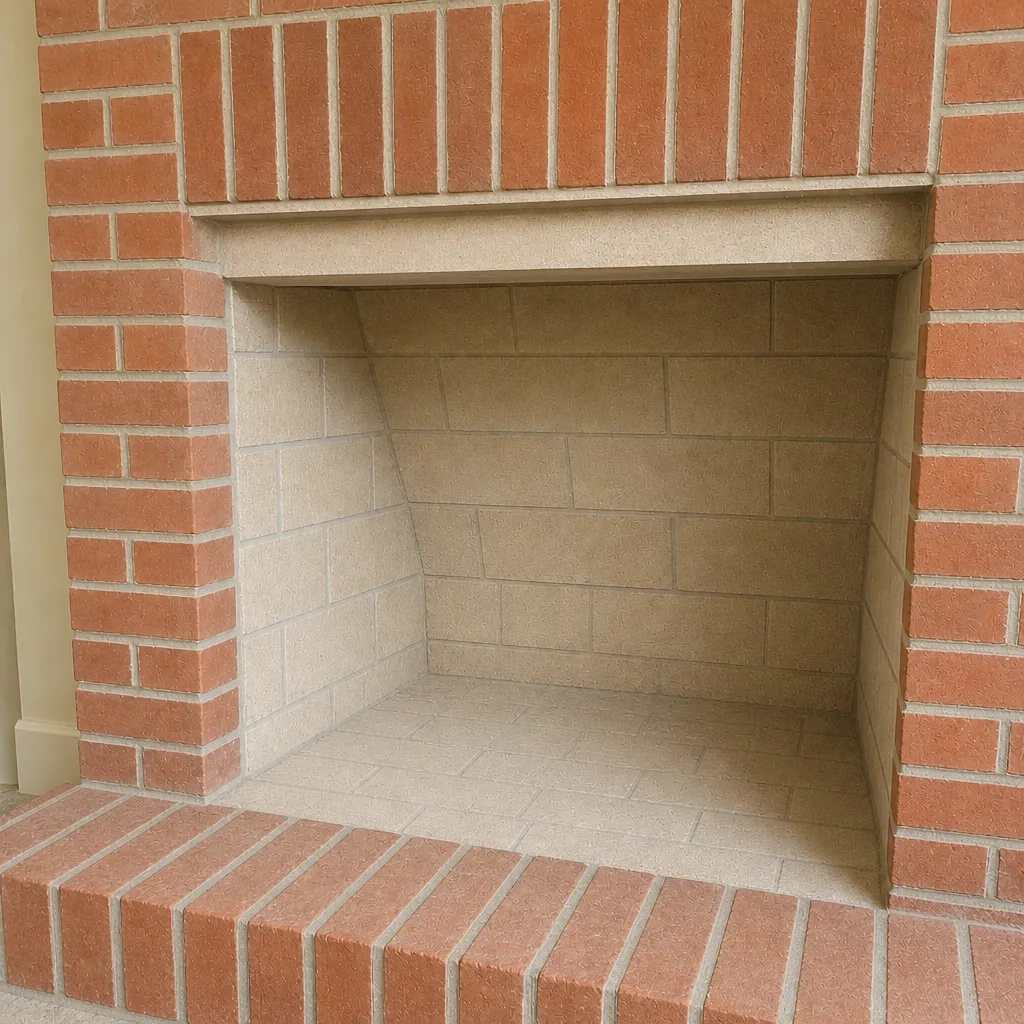
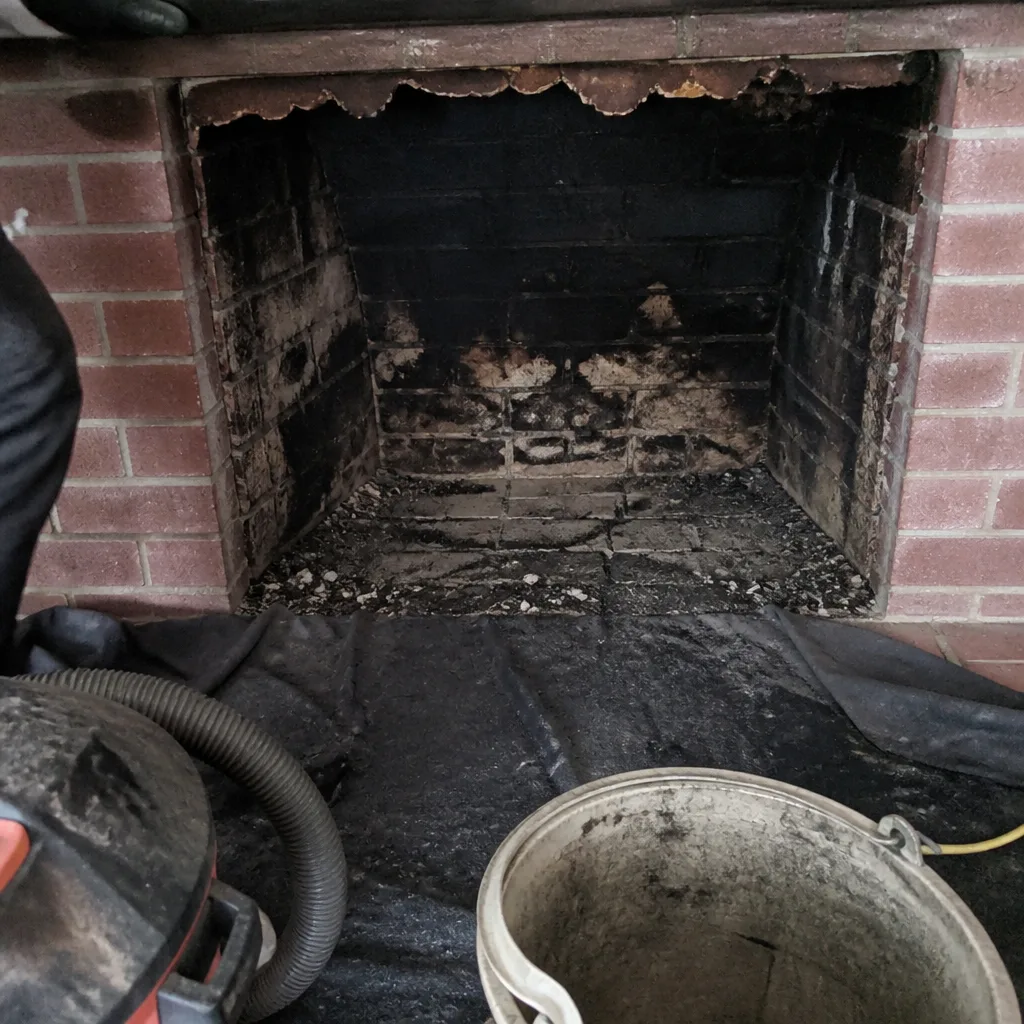
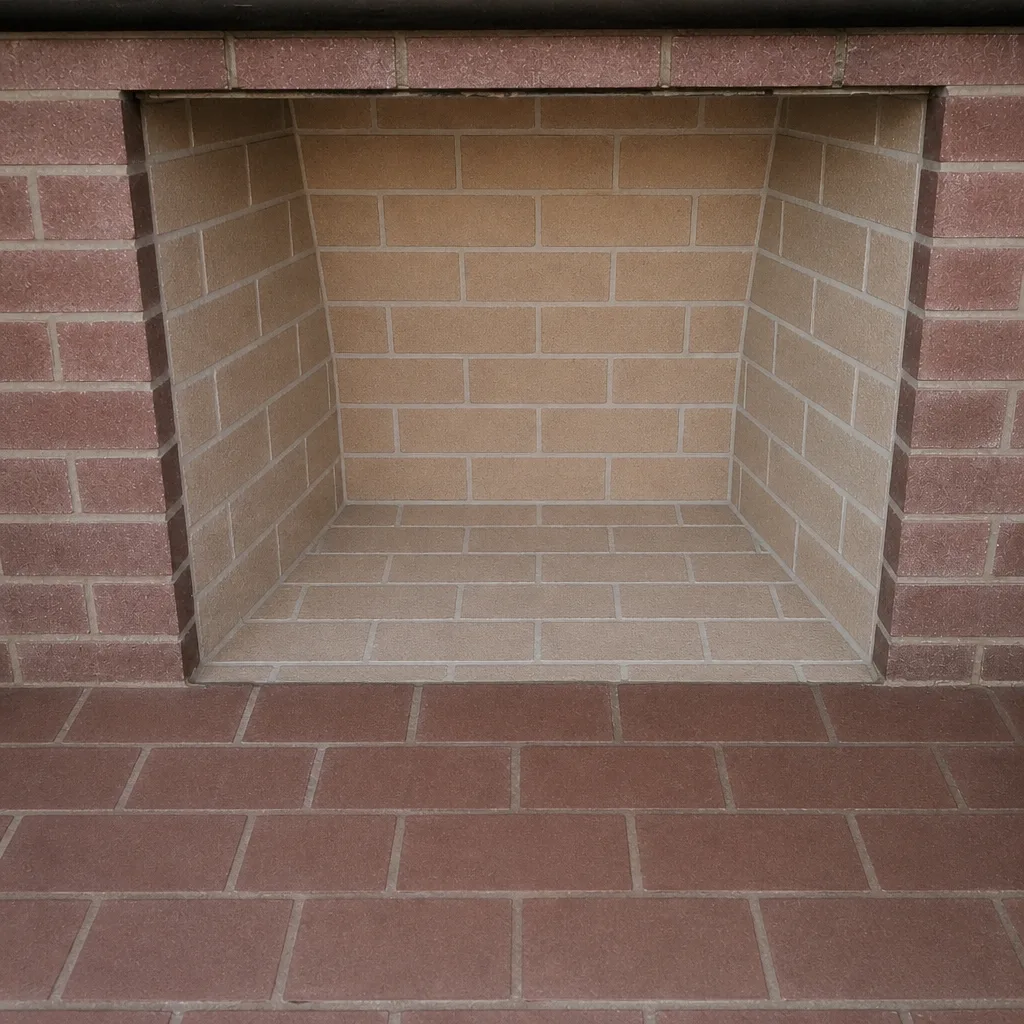
See the difference
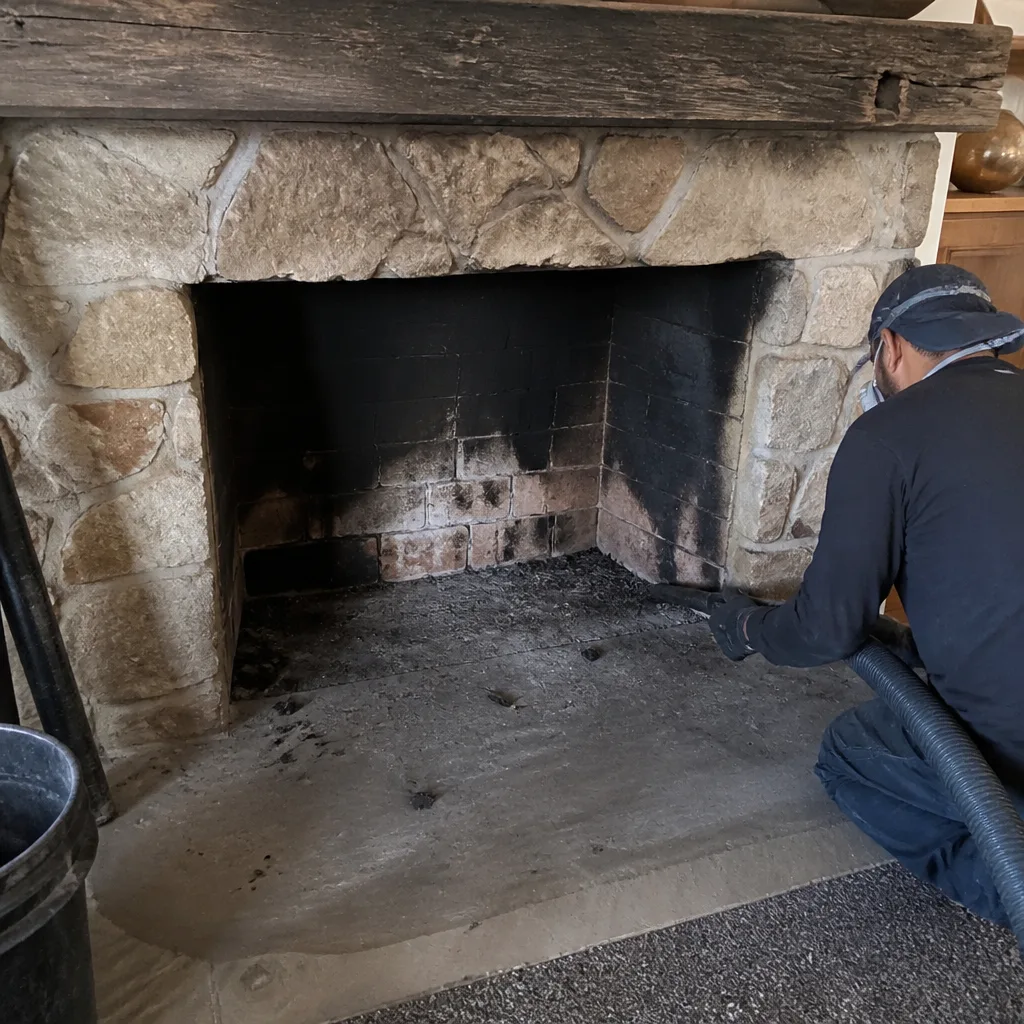 Before
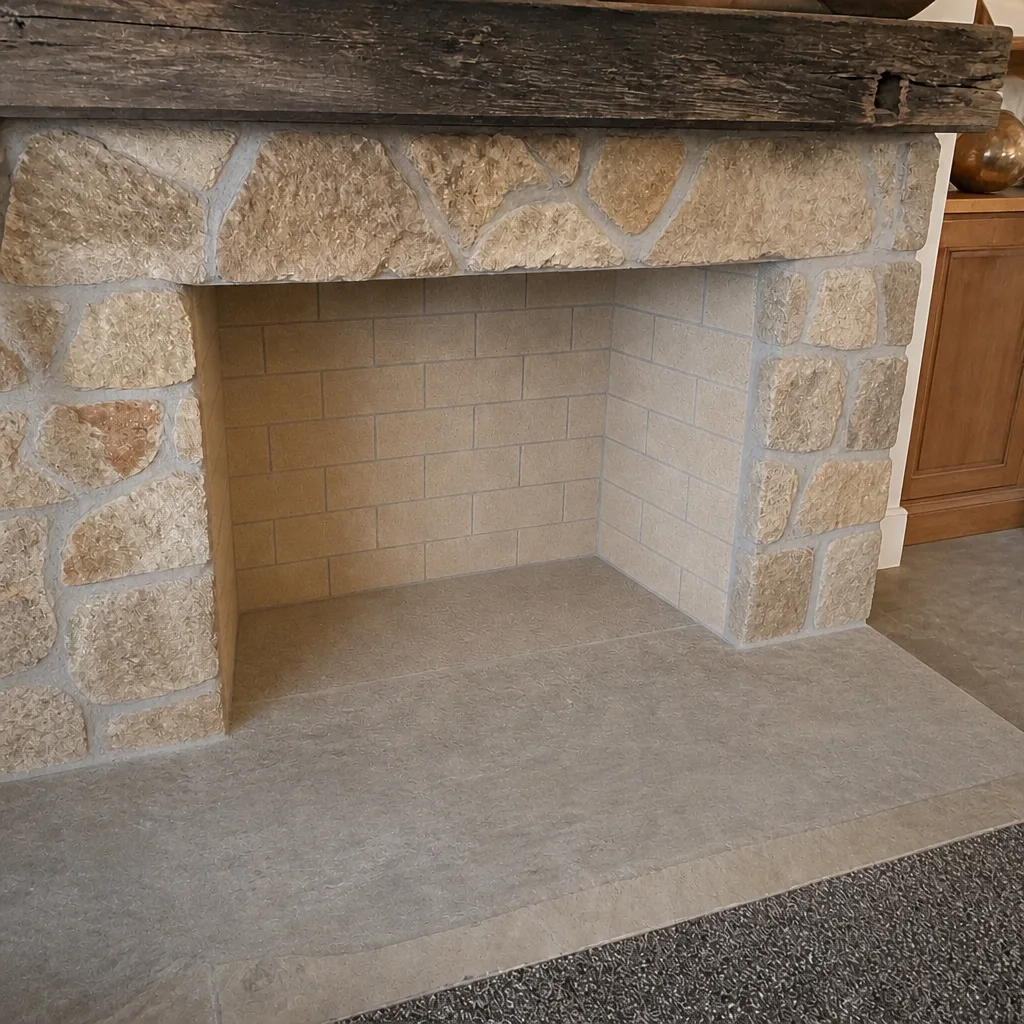 After
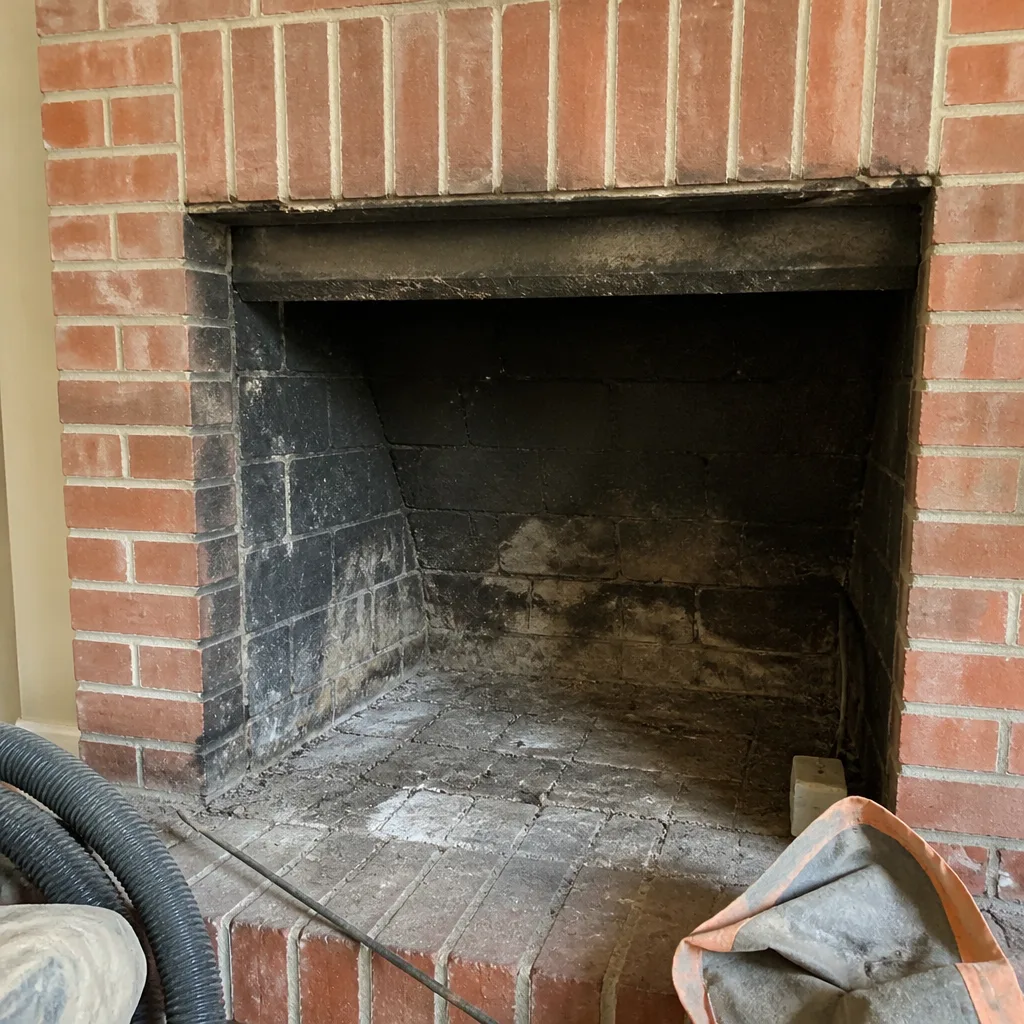 Before
 After
 Before
 After
When to Call a Professional
Call a professional when you smell smoke inside the house while a fire is burning, when the fire struggles to draw or pulls smoke back, when you’ve heard birds or scratching in the flue, or when you can’t remember the last time the chimney was inspected. Call as well if you’re seeing cracking on the exterior masonry, a damaged crown, or a cap that’s come loose. Any of these is a reason to have someone look rather than wait. And if you’ve had a heavy wildfire smoke season in French Park, a late-summer cleaning before the first fire is worth booking. Chimney Sweep French Park offers free estimates in French Park – call (833) 482-6444. Our technicians have up to 15 years of experience, and we answer 24/7 with fast dispatch from 7am to 7pm, Sunday through Friday.
Frequently Asked Questions
Once a year for anyone who burns regularly, plus a spring inspection. Light users can often go every other year between sweeps but should still have an annual inspection. After a heavy wildfire smoke season, don’t wait for the calendar – book a late-summer sweep. Call (833) 482-6444 and we’ll help you decide what your chimney actually needs.
No. Late summer is the better window in French Park, because smoke-season ash and airborne debris collect in the flue through the hot months, and cleaning before the fire season clears that before it compounds your existing deposit. A fall cleaning still works, but you may be starting the burn season with a dirtier flue. Call (833) 482-6444 to book before the season starts.
Yes, and the reason is simple: the chimney wears whether you use it or not. Mortar contracts, the crown and flashing weather, and pests move in during idle months. The spring check catches those things while they’re still minor. Call (833) 482-6444 for an estimate on a post-season inspection.
The deposit in the flue thickens and becomes more combustible, while small cracks in the crown and masonry let water into the chimney’s core and spread damage from the inside. A blocked or dirty flue also drafts poorly, and a poorly drafting chimney can let smoke and carbon monoxide back into the house. Skipping is the expensive path. Call (833) 482-6444 and we’ll tell you honestly what your chimney needs.
Yes. Fine ash from smoke events settles in the flue and on the smoke shelf, and it mixes with existing creosote. That adds combustible material heading into the burn season, and it can worsen drafting in a cold chimney. A late-summer cleaning clears it before you light the first fire. Call (833) 482-6444 to schedule it.
We don’t recommend it beyond basic ash removal from the firebox. The flue needs proper examination with the right tools, and the dangerous parts of this work – inspecting a compromised flue, dealing with blocked or damaged components – are jobs for a trained professional. A real inspection finds what a homeowner can’t see. Call (833) 482-6444 for a professional look and a free estimate.
The Bottom Line
The chimney calendar most guides describe doesn’t match French Park. Here, the pre-season work belongs in late summer, before smoke-season ash builds up, and the post-season check belongs in spring, when the wear from mortar, crown, and flashing is easy to catch. Clean before you burn, then inspect after you’ve finished. Whether you burn lightly or heavily, one inspection a year is the honest minimum, and one sweep a year plus that spring check is what keeps a working chimney safe. The full-system view – firebox to cap – is what makes the difference, and it’s exactly the kind of work we do at Chimney Sweep French Park. Call (833) 482-6444 for a free estimate. We answer 24/7, with fast dispatch from 7am to 7pm, Sunday through Friday.
Written by the team at Chimney Sweep French Park.