
Last updated November 25, 2026
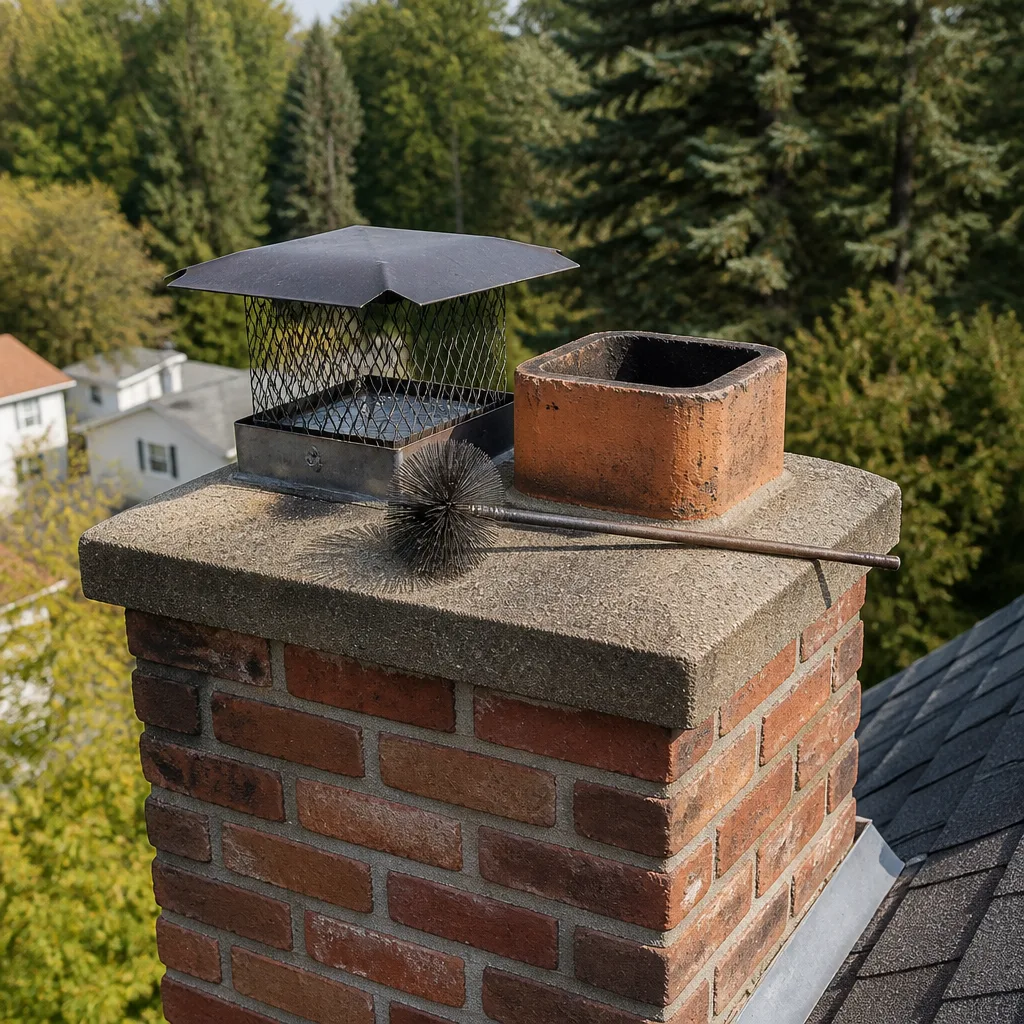 Sweep & inspection
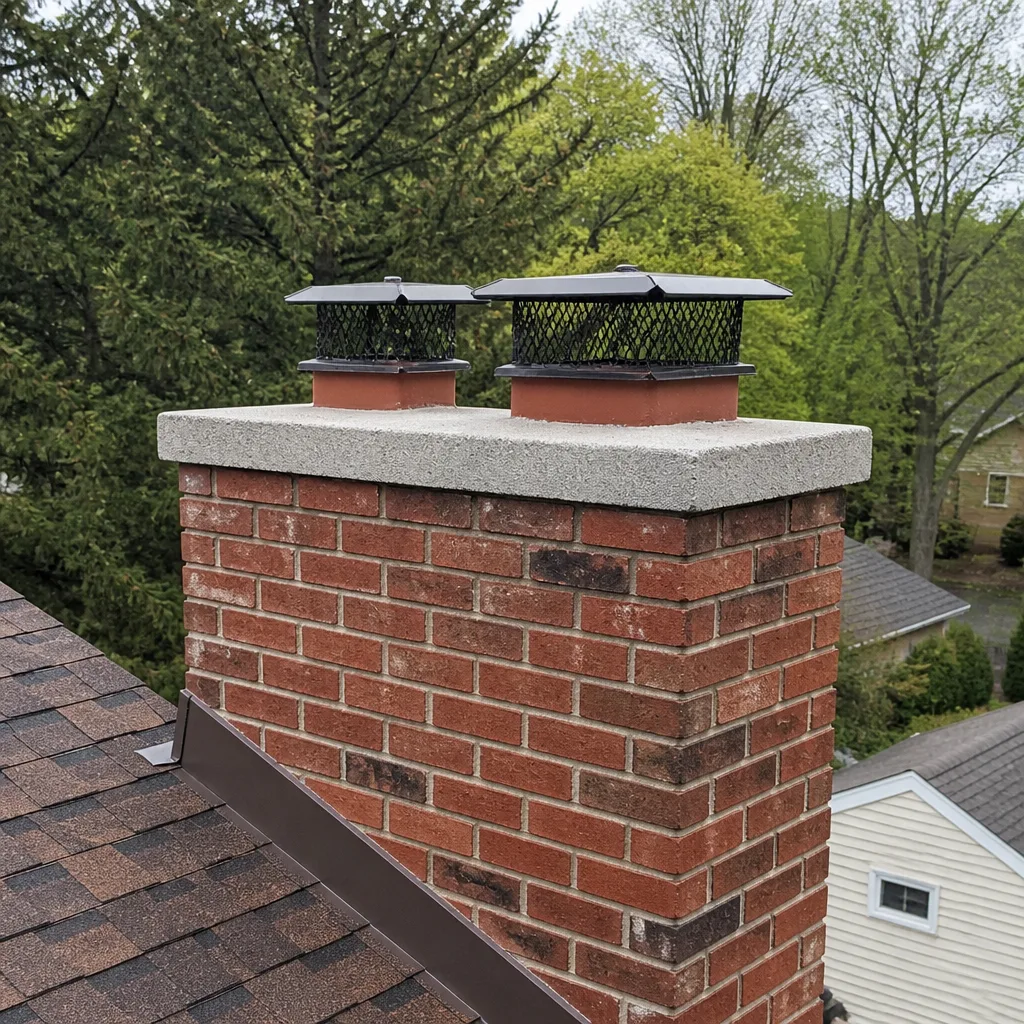 Caps & crowns
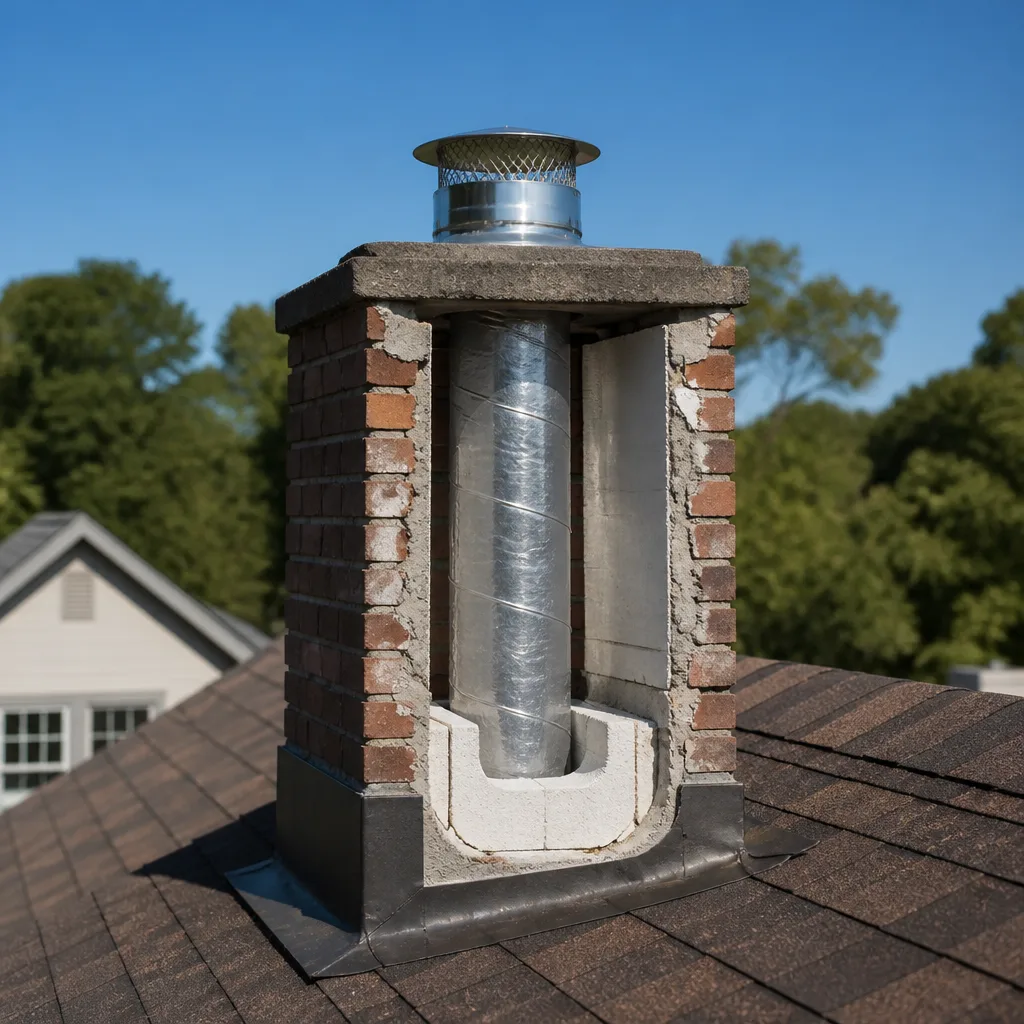 Flue relining
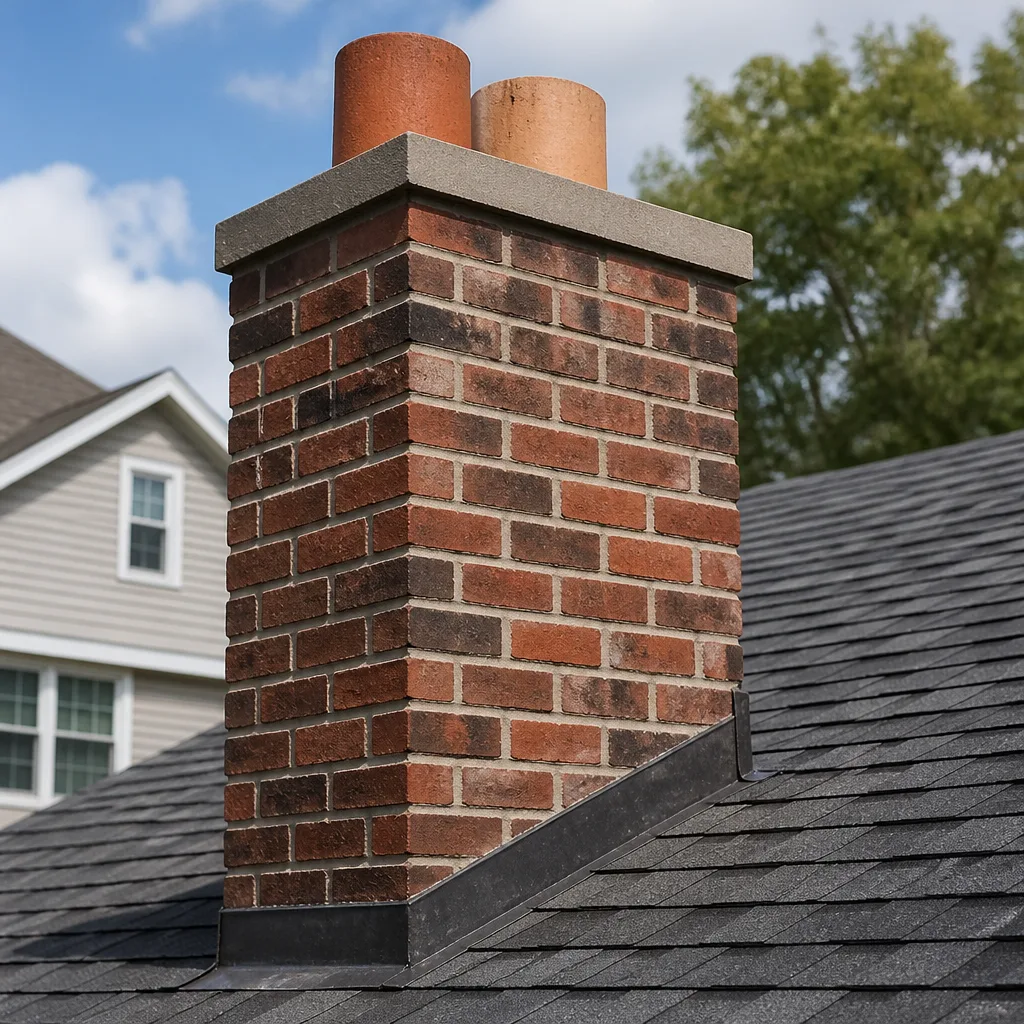 Masonry repair
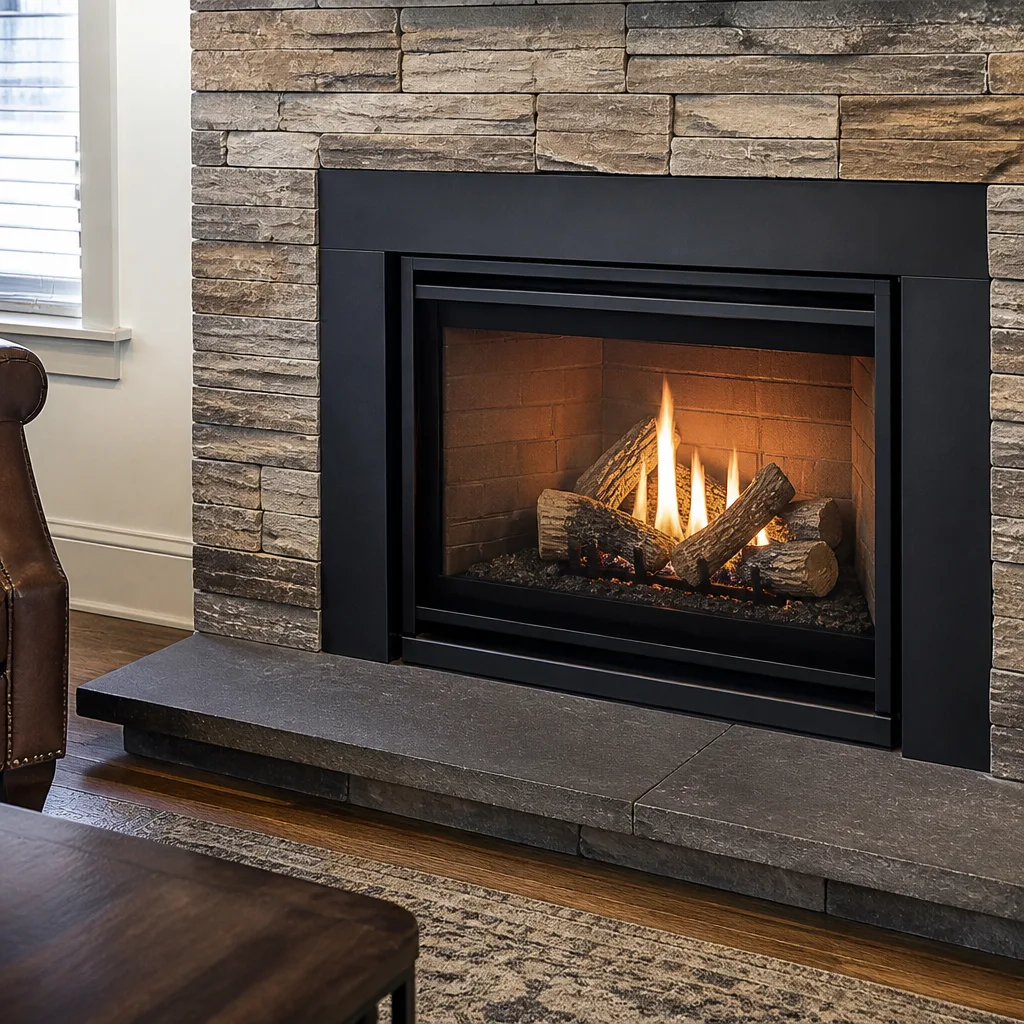 Gas fireplace service
Level 1 sweep and inspection to the NFPA 211 annual standard - flue, crown, cap, and flashing checked and photographed
Chimney sweep logs do not sweep chimneys. They loosen some creosote - which then falls where a brush and vacuum still have to collect it.
Chimney Cleaning Permits, Codes & Inspections in French Park, CA: What You Need to Know
Most homeowners assume a chimney is a chimney: you clean it, you fix it, and the rules are the same either way. In California, they aren’t. The state treats routine cleaning and inspection as maintenance that needs no permit, but treats several common repairs found during that same visit as structural work that does. If a sweep finds a cracked flue liner and replaces it without a permit, that repair may be invisible to you now, but it becomes your liability when you sell the home or file a fire-related insurance claim. This guide draws the line clearly: which chimney services in French Park need a permit, which don’t, how wildfire rules and California codes apply, and what paperwork to keep so the work holds up years from now.
Quick Answer
In French Park, routine chimney cleaning and a standard chimney inspection are maintenance and do not require a permit. Repairs that change the structure or the flue itself (relining, crown or cap replacement, masonry rebuilds, firebox reconstruction) generally do require a permit from the local building department, and unpermitted work can complicate a home sale or an insurance claim. Any contractor doing that structural work should be pulling the permit, and you should keep the inspection report and permit records together.
Styles & brands we work with
- Sweep & inspection
- Caps & crowns
- Flue relining
- Masonry repair
- Gas fireplace service
Table of Contents
- Maintenance vs. Structural Repair: Where the Permit Line Sits
- How California Codes and Local Fire Codes Interact With Your Chimney
- Wildfire Rules, Spark Arrestors, and What They Mean in French Park
- The Inspection Levels and What Each One Covers
- How to Verify a Contractor Is Pulling Permits
- What Documentation to Request and Keep
- Why This Matters at Resale and During an Insurance Claim
Maintenance vs. Structural Repair: Where the Permit Line Sits
The simplest way to think about chimney permits in California is to ask one question: does the work change the structure of the chimney or the flue, or does it leave that structure intact? Cleaning and inspection leave it intact. Most repairs don’t, and that’s where permits usually come in.
Maintenance is the recurring work that keeps a chimney working the way it was built. It needs no permit:
- Annual or seasonal chimney sweeping, whether the fireplace burns wood or gas.
- A visual inspection of the firebox, flue, damper, and cap.
- Removing creosote, soot, and debris.
- Minor firebox cleanup and re-sealing of small gaps that don’t affect structure.
- Checking and adjusting a damper that’s simply stuck or stiff.
Structural repair is work that changes the chimney assembly or the flue pathway, and it typically does require a permit:
- Relining a flue, including installing a new stainless liner such as a DuraFlex system.
- Rebuilding or resurfacing a firebox and smoke chamber with a castable refractory product like HeatShield.
- Replacing a chimney crown or cap where the change involves structural attachment or masonry.
- Rebuilding damaged masonry, chase walls, or the chimney stack above the roofline.
- Adding or modifying a flue for a new appliance.
We work exclusively on chimneys, so the distinction comes up on nearly every visit in French Park. The judgment call isn’t always obvious to a homeowner: a hairline crack in the crown might be a sealant job, while a separated crown is a structural replacement. That’s why the inspection report matters. It documents what the technician saw and what category the repair falls into, so you can have an honest conversation about whether a permit is needed before any work begins.
Permit rules vary somewhat from one jurisdiction to the next, and this guide describes the general pattern. The building department that has authority over your property is the final word for your specific chimney, so ask when the scope is unclear.
How California Codes and Local Fire Codes Interact With Your Chimney
California regulates chimneys through a few overlapping layers, and it helps to know what each one governs. None of this is something you need to memorize, but knowing the names lets you ask better questions and understand what a contractor is telling you.
Title 24 is the state’s building energy code. It governs how a home’s systems are built and sealed, and it applies to certain chimney and venting work when it affects the building envelope or the efficiency of a heating appliance. For a straight cleaning or inspection, Title 24 doesn’t come into play. For structural changes, it can, which is one more reason permit-required work should go through the building department.
Local fire codes, adopted by cities and counties, set the rules for how chimneys must be constructed and maintained so they don’t contribute to fires. These are the rules that establish clearance from combustibles, spark and ember protection, and the general requirement that a chimney be in sound condition. A fire code inspector can flag a deficient chimney independently of a building permit.
The building code (the state adopts the California Building Code, which builds on the International Residential Code) covers chimney construction, flue sizing, and the materials that are acceptable for liners, crowns, and caps. When a repair involves those structural components, this is the code the permit process enforces.
In practical terms for French Park homeowners:
- Sweeping and inspection answer to fire safety and general maintenance standards, not to a permit.
- Repairs involving the flue, crown, cap, or masonry answer to the building code and usually a permit.
- Both interact: a permitted repair should leave the chimney in a condition that also satisfies the fire code, and a good inspection checks both.
We use the same professional-grade materials specified for code-compliant installations, including HeatShield for firebox restoration and DuraFlex for relining, so the repair meets the standard the permit is there to confirm.
Wildfire Rules, Spark Arrestors, and What They Mean in French Park
California’s wildfire exposure has pushed spark and ember protection to the front of chimney conversations, and it’s a piece of code most homeowners only learn about when they’re buying, selling, or filing a claim. A spark arrestor or spark screen on the chimney termination is the standard protection: it keeps hot embers from escaping the flue and landing on a roof or nearby vegetation.
How this plays out in French Park:
- Your cap and screen are part of the fire-safety system. A missing, rusted, or loose screen defeats the purpose. This is one reason chimney cap & crown work is more than cosmetic.
- Spark arrestor requirements come from local fire code and sometimes from the property’s fire-hazard classification. Because these vary, the safest approach is to have the cap inspected and confirm what your jurisdiction requires, rather than assume.
- Defensible space and chimney condition are connected. A chimney that’s blocked, damaged, or missing its screen is a higher risk in a region that burns.
We treat the cap and screen as a functional component, not an accessory. During an inspection we check that the spark screen is present, secured, and free of creosote buildup, because a clogged screen restricts draft and can become a hazard itself. If the screen or cap needs replacement, we discuss whether the fix is a direct cap swap (often maintenance-level) or involves structural attachment (which triggers a permit).
None of this should alarm anyone. It’s a matter of knowing where your chimney sits in the wildfire picture and keeping the termination in good shape, which is exactly what a thorough inspection is for.
The Inspection Levels and What Each One Covers
Chimney inspections are usually described in three levels, and which one you need depends on what’s happening with the chimney. Knowing the difference helps you understand a quote and know whether you’re getting the right scope of work.
Level 1 inspection. A visual check of the readily accessible parts of the chimney and fireplace: firebox, damper, flue from the firebox, and the exterior from ground level or a ladder. It’s the standard check when you’re keeping the same appliance and haven’t had a change in condition. This is the inspection that usually rides along with an annual sweep.
Level 2 inspection. Adds a closer look at accessible portions, including the attic and crawl spaces where the chimney passes, and often includes a camera inspection of the flue. It’s called for after a chimney fire, after a change in appliance or fuel type, after an earthquake, or when a property is being sold or transferred. In French Park, a home sale is the most common reason a Level 2 comes up.
Level 3 inspection. The most involved level, used when a Level 1 or 2 reveals a concern that requires access to concealed areas, which may mean removing parts of the chimney or surrounding structure. It’s reserved for specific diagnostic needs, not routine maintenance.
A camera inspection is what turns an opinion into evidence. When a technician shows you a still image of a cracked flue tile or a gap in a joint, you can see the condition for yourself rather than take it on faith. That’s also the moment to decide whether the finding is maintenance or a permit-required repair, which ties directly into the next section on how we approach chimney work in French Park.
How to Verify a Contractor Is Pulling Permits
Permits protect you, not the contractor. If the GC or chimney contractor skips one and something goes wrong, the record shows unpermitted work on your property, and that can surface at resale or in an insurance claim. Verifying is straightforward, and it’s reasonable to ask before signing anything.
Follow these steps:
- Ask directly which permit the job will require. A knowledgeable contractor can name it and explain why. A vague answer is a flag.
- Ask to see the permit number and the inspection date. The building department issues the permit and schedules its own inspection; you can confirm both exist.
- Confirm the permit is in the contractor’s name or the property owner’s name as your jurisdiction requires. Either way, you should be able to find it in the building department’s records.
- Request a copy of the completed inspection card or final approval. This is the proof that permitted work was done and passed.
- Keep that document with your home records. It’s the paper trail you’ll want later.
Why do some contractors avoid permits? The process takes time, requires the work to pass inspection, and forces a written, recordable scope. For a shortcut-oriented shop, skipping it is easier. For the homeowner, unpermitted repair can mean a future buyer’s inspector flags the work, an insurance adjuster questions a fire-related claim, or a future repair has no baseline to build from. In our experience, the honest path is to explain the permit requirement up front and let you decide.
This is also why we put the inspection findings in writing. Whether the fix is a routine chimney sweep or a structural repair, you get a clear description of what was found and a recommendation on which permit path it falls into, before any work begins.
What Documentation to Request and Keep
Chimney work tends to disappear from a home’s paper record, which is a problem when a buyer’s inspector or an insurer asks questions. The fix is simple: request and keep a small set of documents after every visit.
- The inspection report. Level, findings, and photographs. Request the photos, not just the summary.
- The scope of work in writing. A description of the work performed or recommended, including the materials used.
- Permit records. Permit number, inspection card, and final approval for any structural repair.
- Material receipts or installation notes. For relining or restoration, note the product family (for example, a DuraFlex liner or a HeatShield restoration) so a future inspector knows what’s there.
- A dated record of the work. Even a simple note of the date and type of work helps establish a maintenance history.
Store these with your other home records so they’re available when you sell or when you file a claim. A buyer’s inspector who finds a documented, permitted liner is in a very different position from one who finds an unmarked, undocumented flue. The same goes for an insurer reviewing a fire claim: the clearer the record, the less friction.
Why This Matters at Resale and During an Insurance Claim
Two moments bring chimney paperwork to the surface: selling a home, and filing a claim after a chimney fire or a carbon monoxide event. In both, the questions are the same. What work was done, was it permitted, and is the chimney in sound condition?
At resale, a buyer’s inspector will often call for a Level 2 inspection, especially in an older home. If that inspection reveals unpermitted repairs or a liner that doesn’t match any record, the buyer has leverage and the seller has a problem to solve. Documented, permitted work turns that conversation into a non-issue.
During an insurance claim, an adjuster looks at whether the chimney was maintained and whether any structural work was done properly. A missing permit doesn’t automatically void a claim, but it invites scrutiny and can delay or complicate the process. A clear maintenance and permit record reduces that risk.
In French Park, where homes range from older bungalows to newer construction, the chimney often tells a story that the rest of the house doesn’t. A documented record keeps that story straight. If you’re unsure what’s on your property, a Level 2 inspection with a camera is the honest starting point, and it’s part of the fireplace repair and evaluation work we do. We’ll tell you exactly what we found and what it means before any work begins.
Common Mistakes to Avoid
- Assuming all chimney work needs no permit. Cleaning doesn’t, but relining or a structural crown replacement usually does. Treating them the same is the mistake that catches homeowners at resale.
- Letting a contractor replace a flue liner with no documentation. A new liner with no record is invisible to a future inspector, which becomes your problem, not the contractor’s.
- Skipping the camera inspection. A visual-only check can miss a cracked tile or a gap that a camera catches. Ask to see the images for yourself.
- Not keeping the inspection report and photos. Without them, a maintenance history and any permitted repairs go unrecorded, and you’ll have to start over at the next inspection.
- Ignoring the spark screen. A missing or rusted screen is a fire-safety gap in a region that takes wildfire seriously. It’s also cheap to address during a routine visit.
- Getting work done without confirming the permit. Confirm the permit number and final inspection before the job closes out. It’s the single easiest protection a homeowner has.
- Forgetting to update your records after the work. File the report, the permit, and the material notes together so they’re ready when a buyer or an insurer asks.
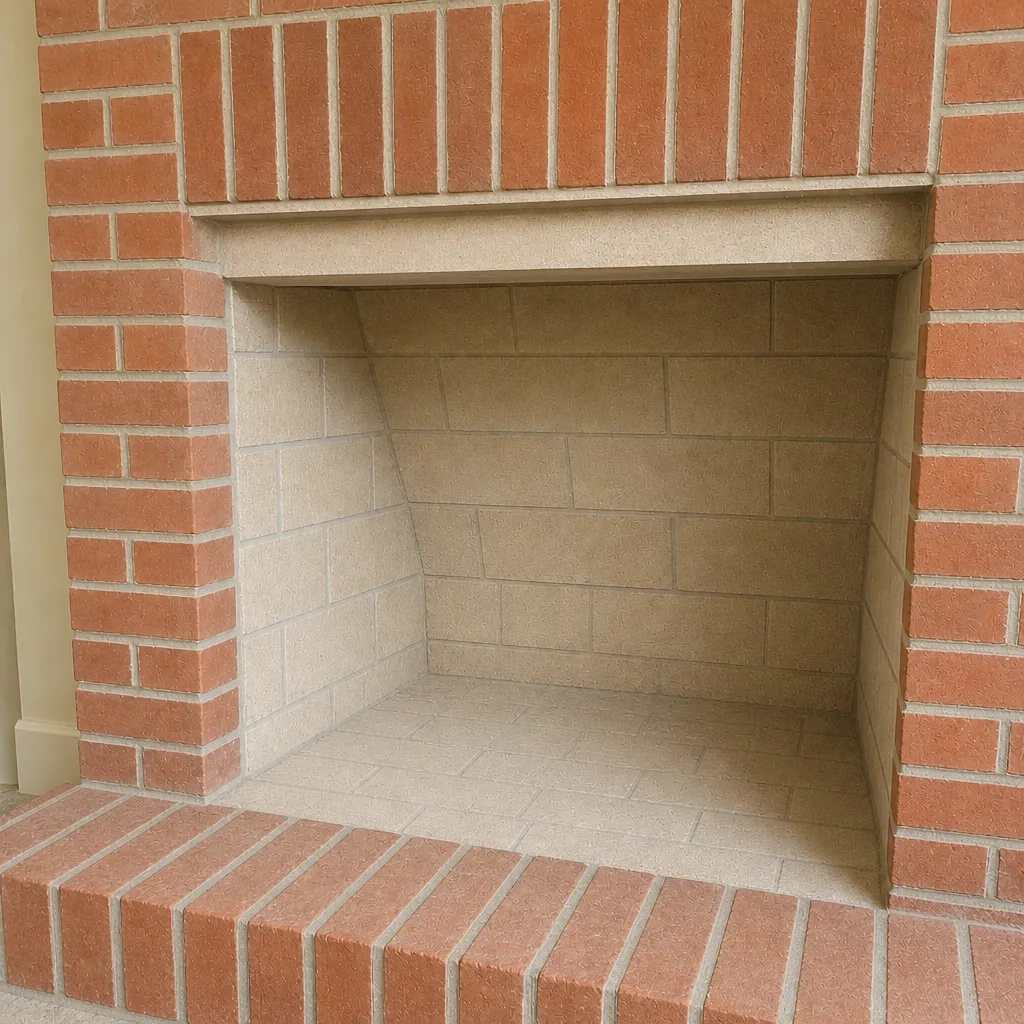
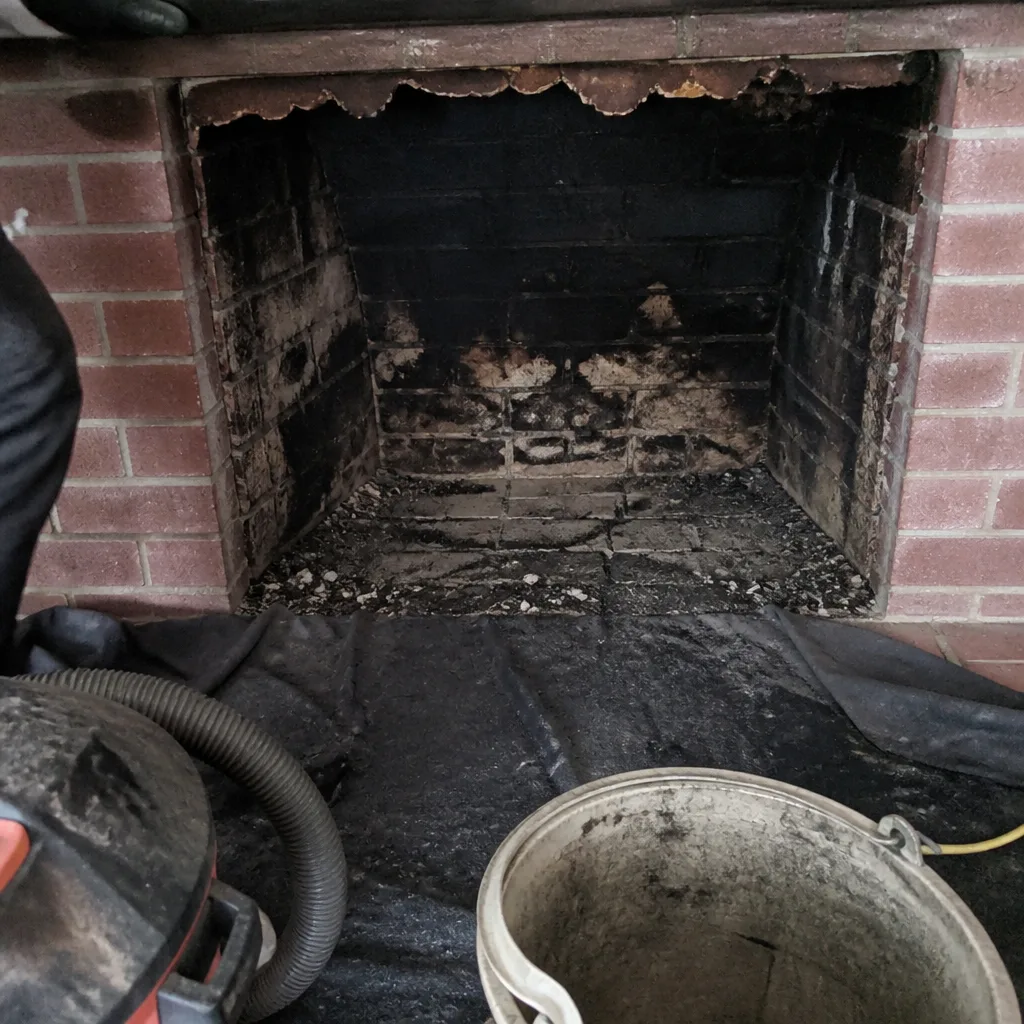
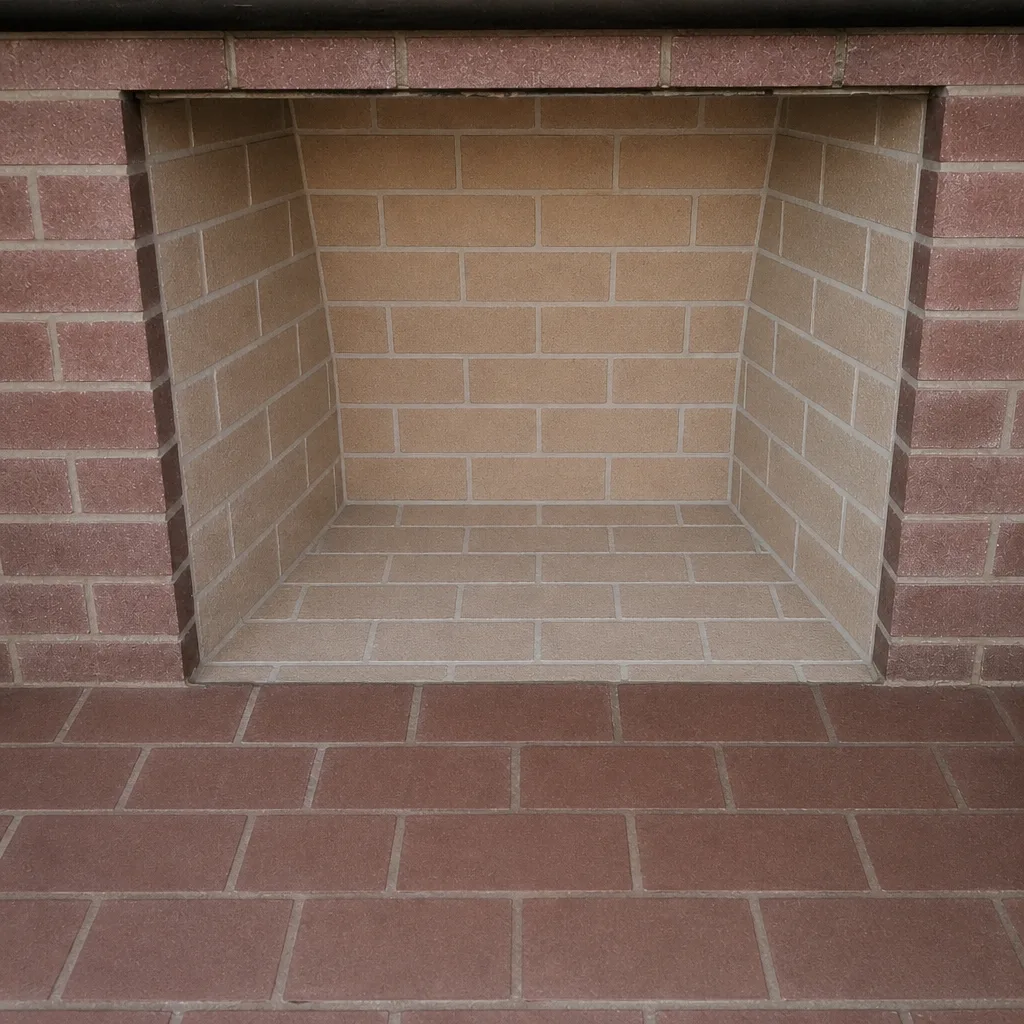
See the difference
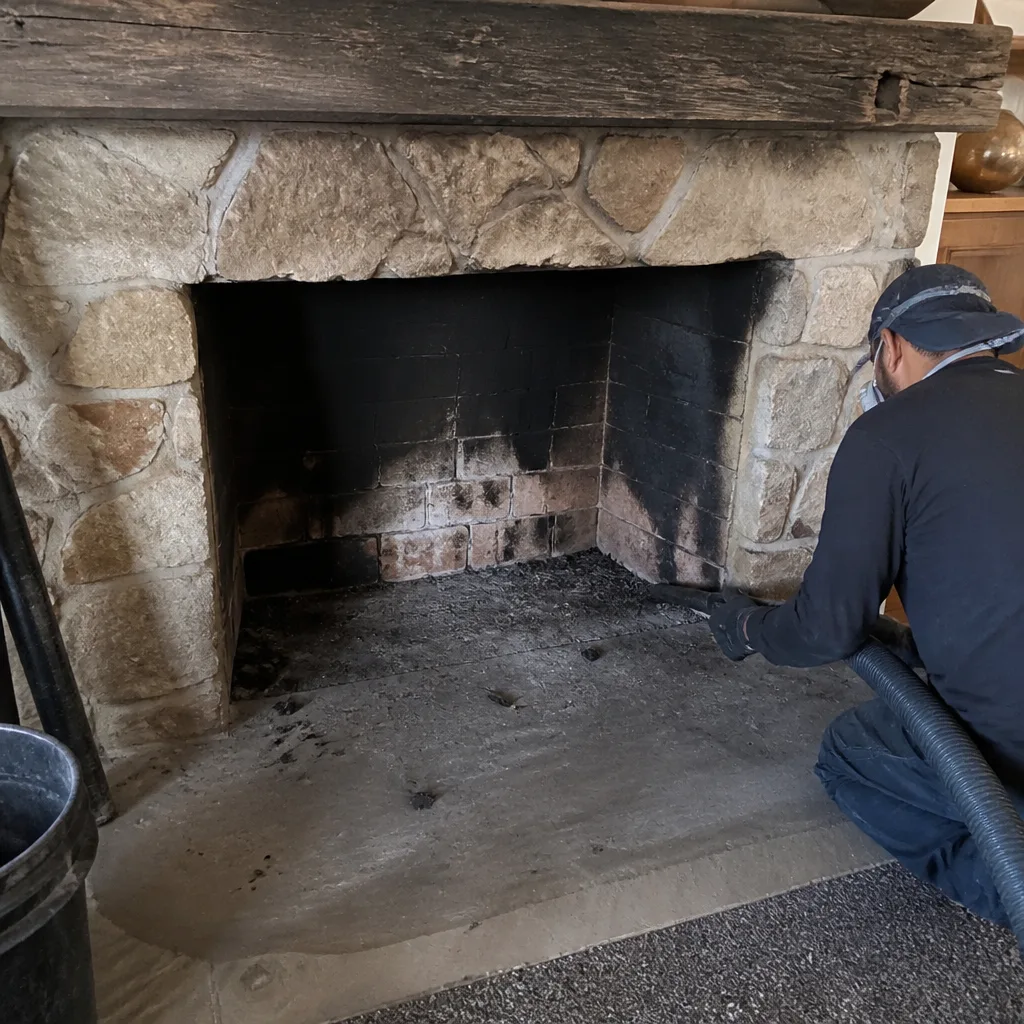 Before
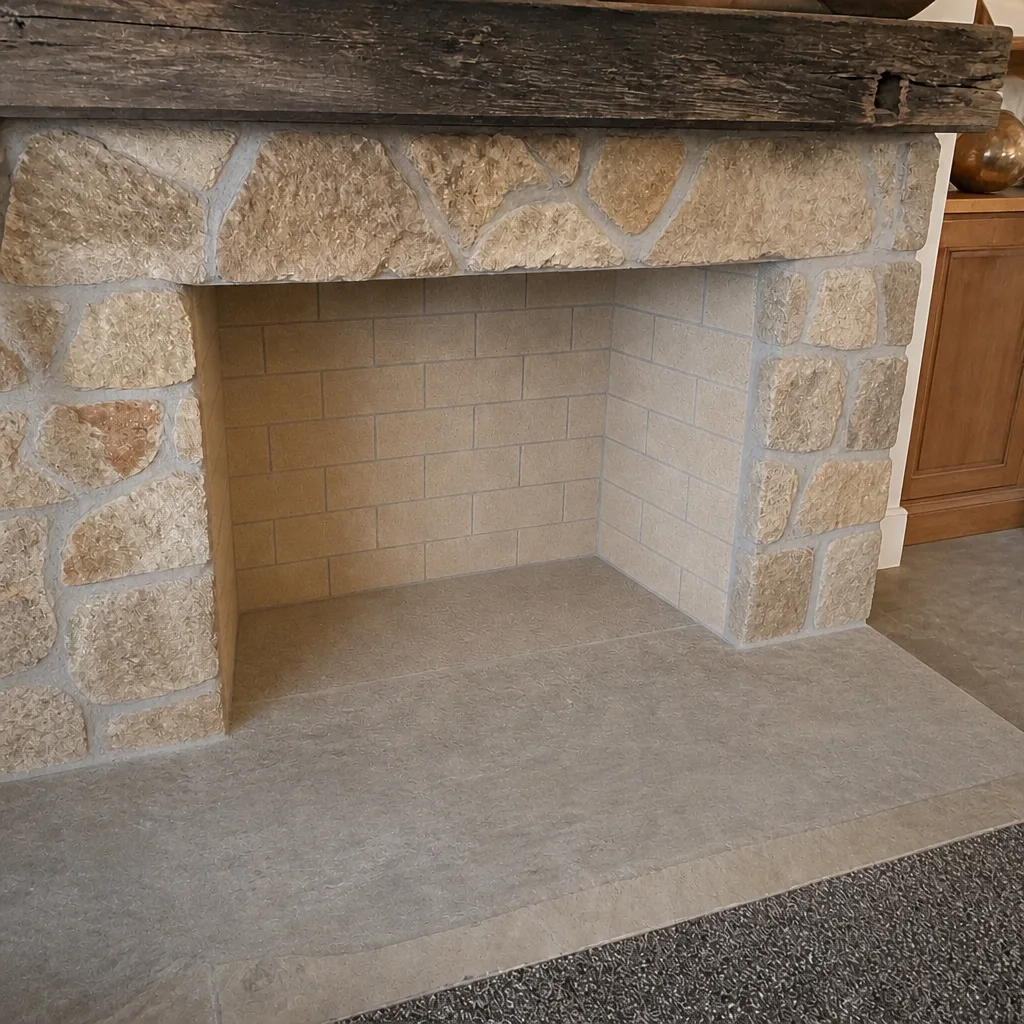 After
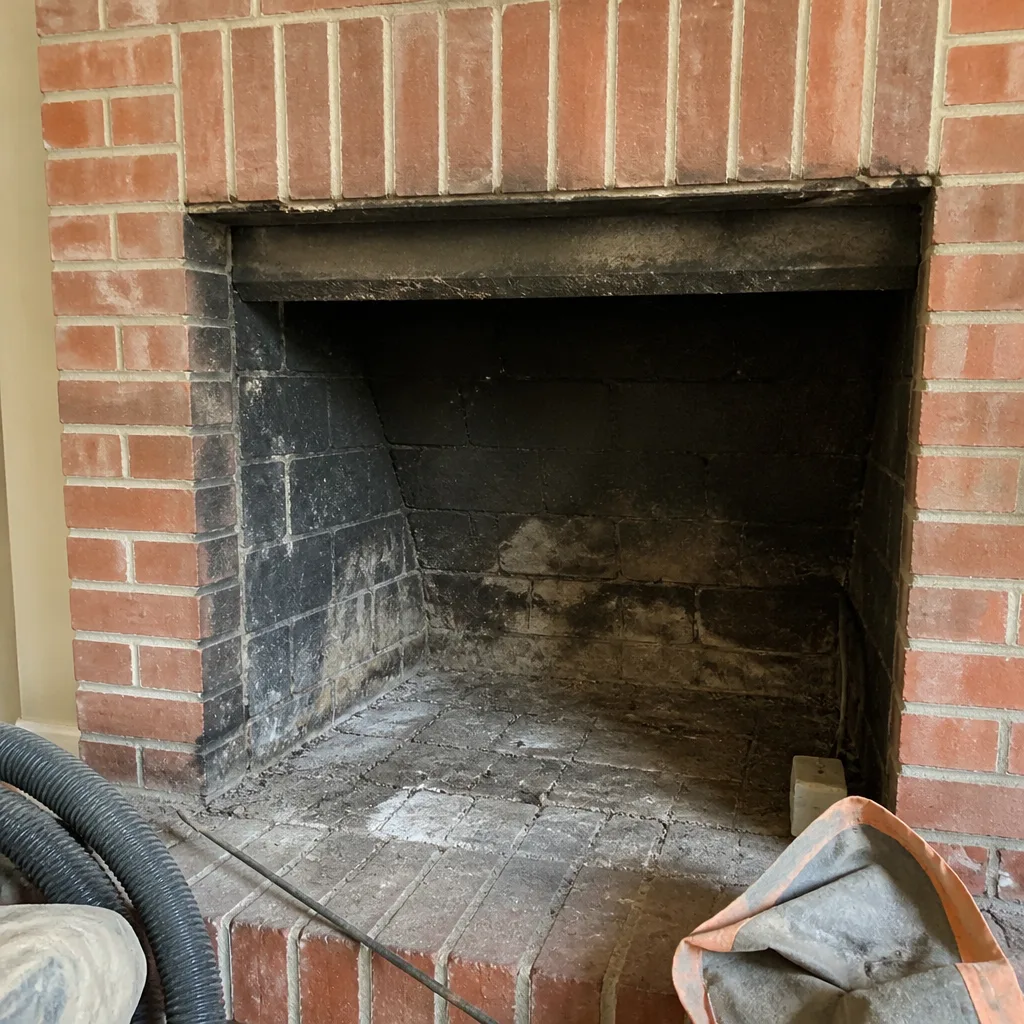 Before
 After
 Before
 After
When to Call a Professional
Call a professional chimney specialist when you haven’t had an inspection in a year or more, when you’re preparing to sell or buy a home in French Park, when a chimney fire or carbon monoxide alarm has occurred, or when you’ve noticed a change in how the fireplace draws, smells, or burns. Call us if you’re weighing whether a repair needs a permit and want an honest answer before committing to the cost. These are code-and-safety questions that are best answered by someone who looks at the chimney rather than guesses. Chimney Sweep French Park offers free estimates in French Park. Call (833) 482-6444 to schedule an inspection and get a clear picture of what your chimney needs.
Frequently Asked Questions
No. Routine chimney cleaning and a standard inspection are classified as maintenance and don’t require a permit. Permits apply to structural work such as relining, crown or cap replacement, and masonry repair. If you’re unsure which category your job falls into, the inspection report will spell it out. Call (833) 482-6444 for a free estimate.
Repairs that change the structure or the flue generally need a permit: relining the flue, replacing a crown or a structurally attached cap, rebuilding masonry or the firebox, and adding or modifying a flue. Straight cleaning and minor adjustments don’t. The building department that has authority over your property is the final word on your specific scope. Call (833) 482-6444 for a free estimate.
Ask which permit the job requires, request the permit number, and confirm the final inspection or approval is on file. A contractor who does it right will have the documentation. If the answer is vague, that’s a reason to slow down. Call (833) 482-6444 for a free estimate.
A liner is recommended only when the inspection shows it’s deficient, and we show you the camera images so you can see the condition yourself. A reline is structural work and generally requires a permit. We won’t recommend a liner you can’t verify. Call (833) 482-6444 for a free estimate.
A chimney should be swept and inspected at least once a year when it’s in regular use, and more often if you burn heavily. An annual visit also keeps your documentation current. Call (833) 482-6444 for a free estimate.
Debris and creosote build up, a cracked or damaged flue goes unnoticed, and a repair done without a permit stays undocumented. That can create problems at resale or during an insurance claim later. An inspection is the low-cost way to know where you stand. Call (833) 482-6444 for a free estimate.
The Bottom Line
The line between chimney maintenance and chimney repair is the key to staying code-compliant in French Park. Cleaning and inspection are maintenance: no permit. Structural fixes (relining, crown and cap replacement, masonry and firebox work) generally need one, and the record matters at resale and in an insurance claim. Ask for the permit, keep the inspection report and photos, and confirm the work passed. A camera inspection gives you the evidence to make the call honestly, and it shows you what actually needs attention rather than what someone says does. Our technicians have up to 15 years of experience, work on chimneys exclusively, and use professional-grade materials like HeatShield and DuraFlex for code-compliant repairs.
Contact
If you’re ready to know exactly what condition your chimney is in and what it needs, call Chimney Sweep French Park at (833) 482-6444 for a free estimate. We answer 24/7. Fast dispatch from 7am to 7pm, Sunday through Friday. We’ll walk you through the findings, show you the evidence, and answer the permit question straight.
Written by the team at Chimney Sweep French Park.