
Last updated November 25, 2026
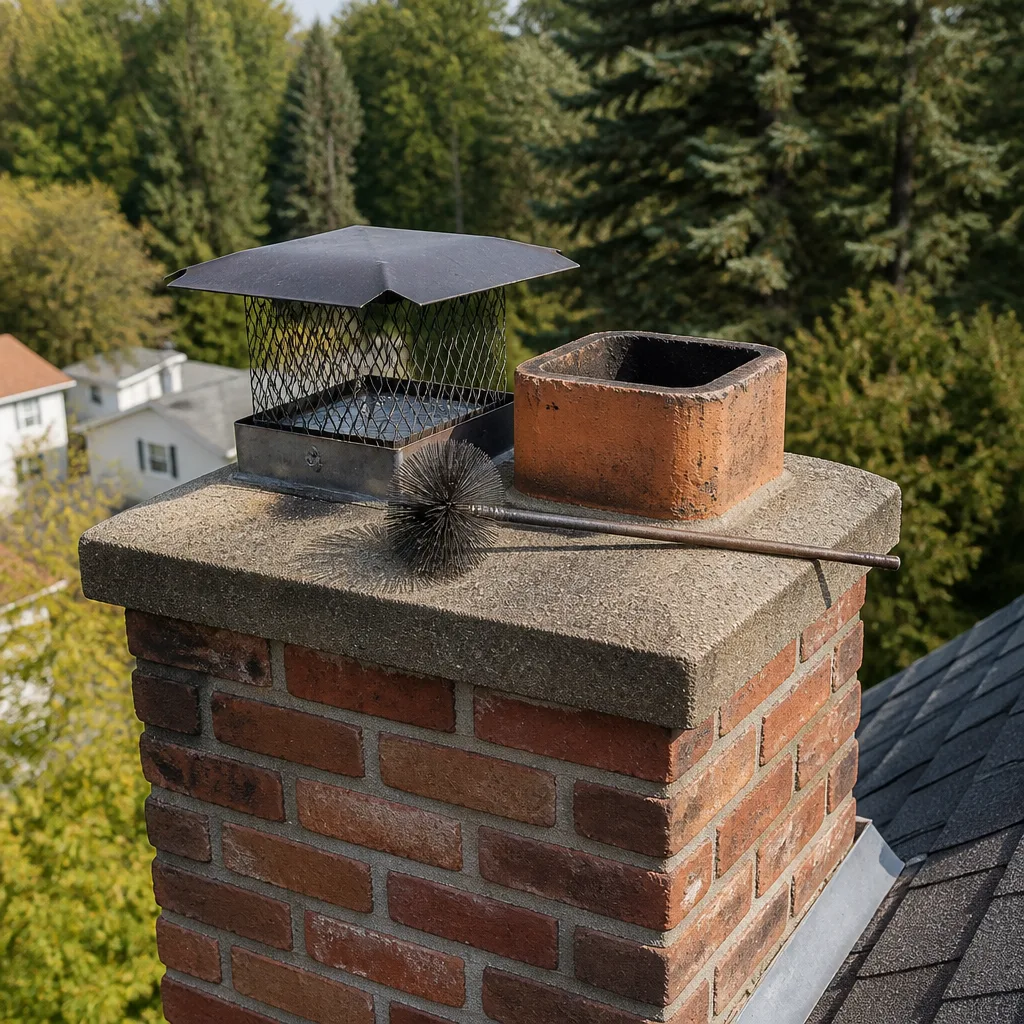 Sweep & inspection
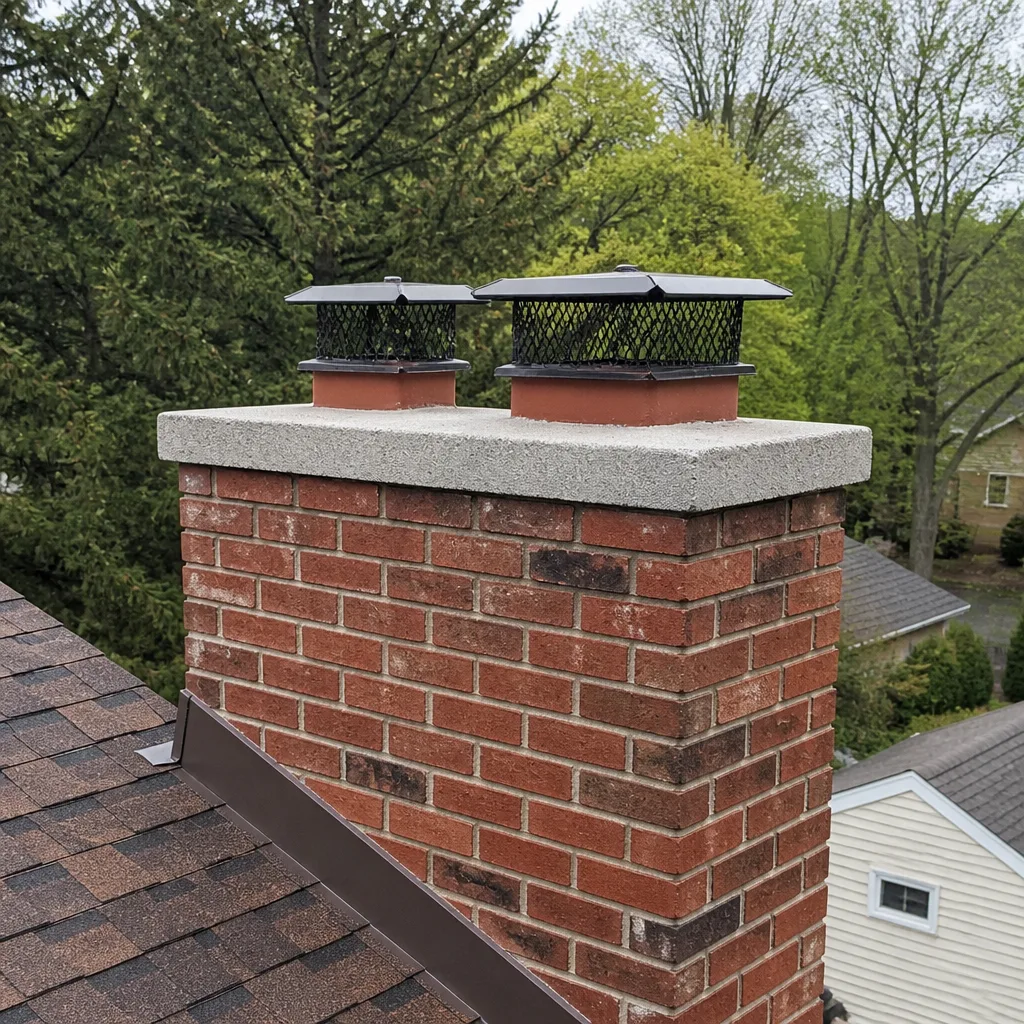 Caps & crowns
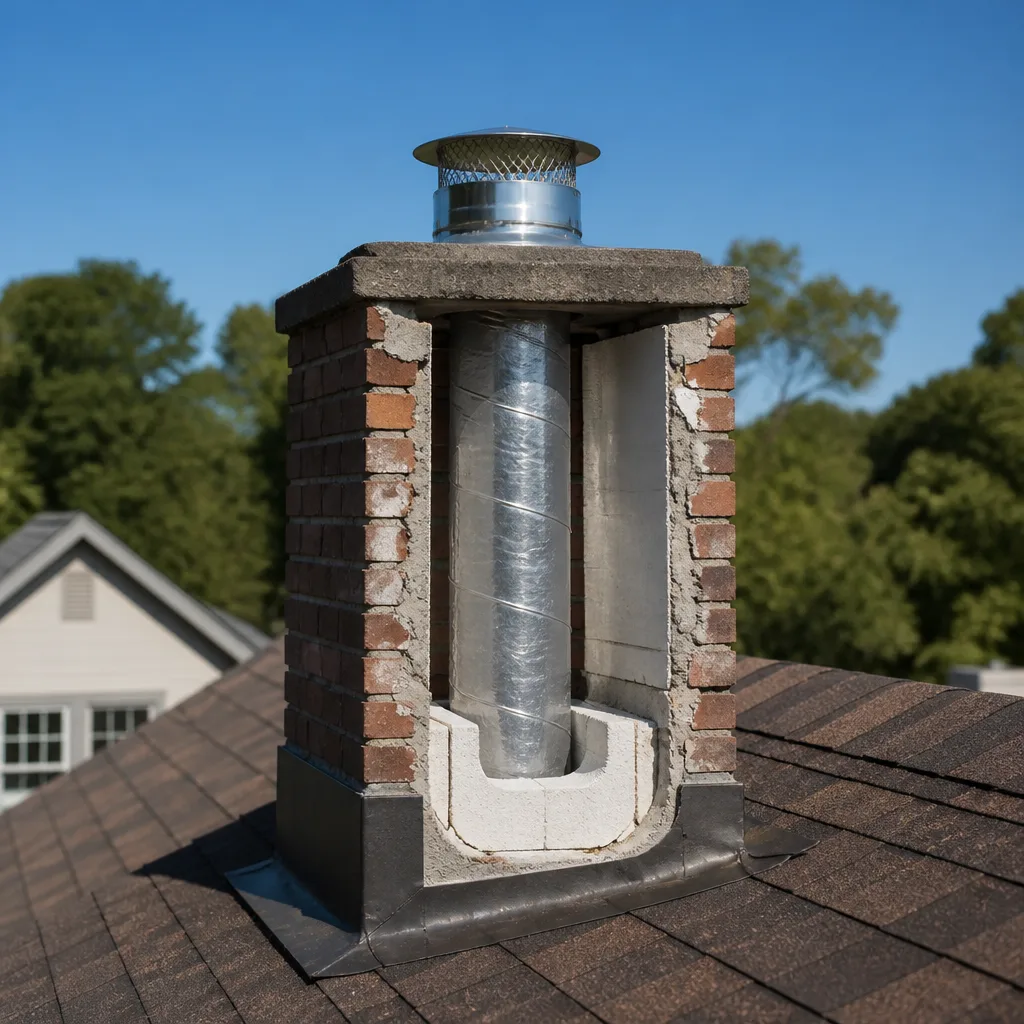 Flue relining
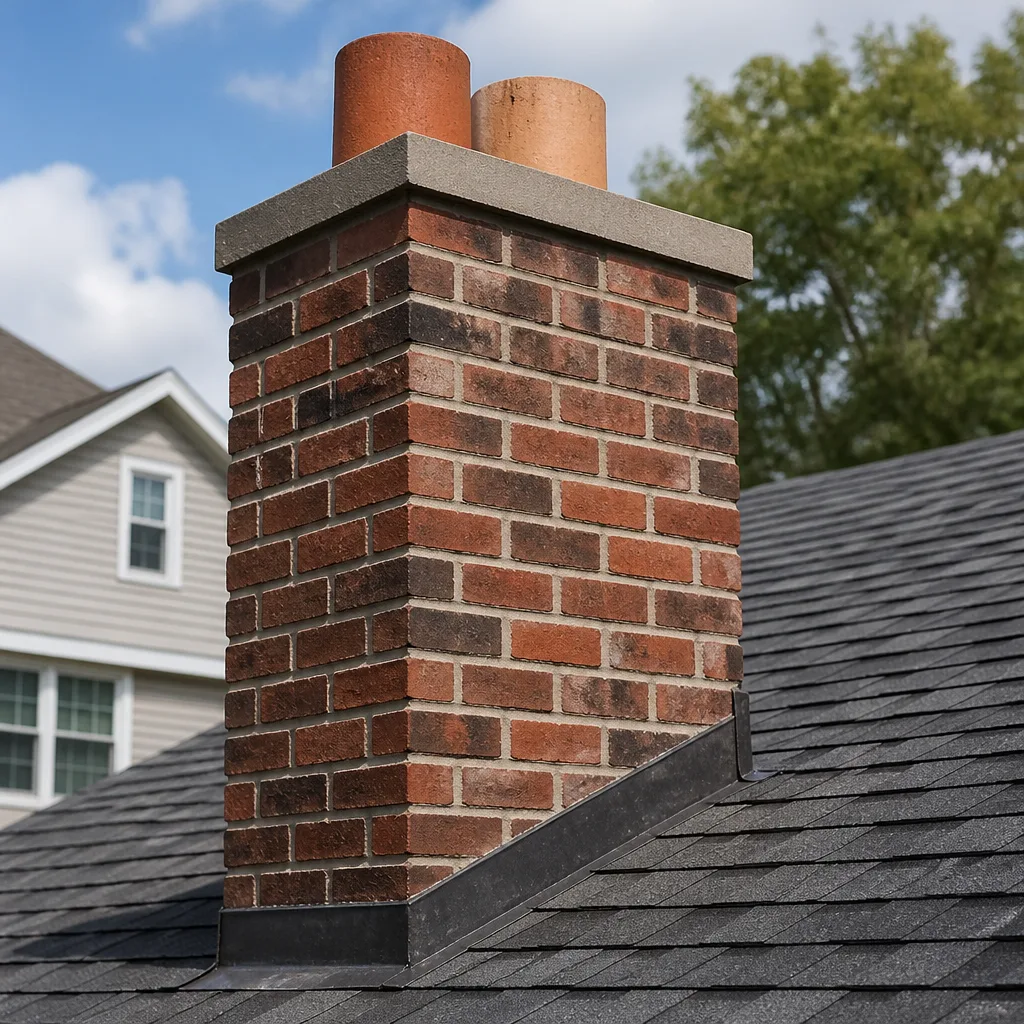 Masonry repair
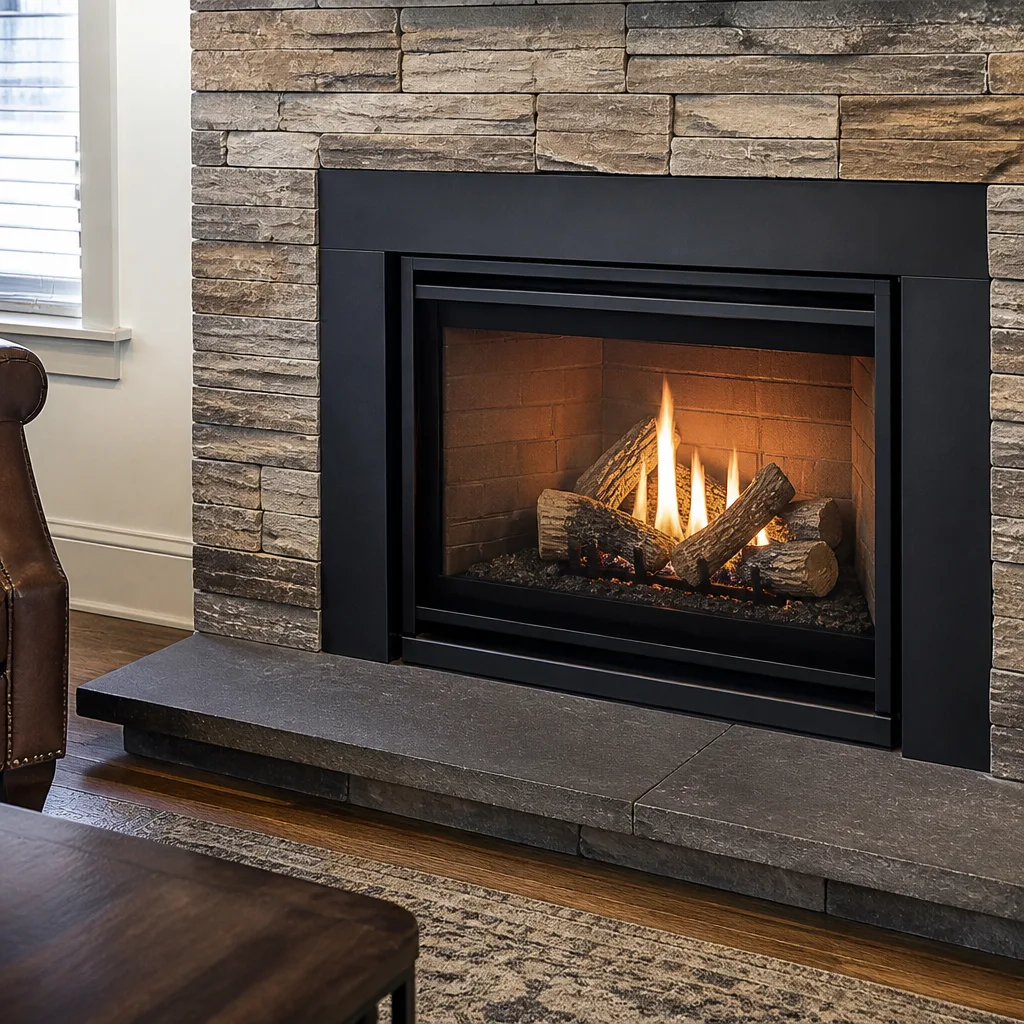 Gas fireplace service
Level 1 sweep and inspection to the NFPA 211 annual standard - flue, crown, cap, and flashing checked and photographed
Chimney sweep logs do not sweep chimneys. They loosen some creosote - which then falls where a brush and vacuum still have to collect it.
How to Hire a Chimney Cleaning Contractor in French Park: A Step-by-Step Guide
Asking a contractor “are you certified?” isn’t enough. There are multiple chimney certifications in circulation, some rigorous and some little more than a paid listing, and a company can hold a valid credential while having zero experience with the specific chimney type on your French Park roof. Plenty of general handymen and HVAC outfits add chimney cleaning to their service menu without any chimney-specific training at all, and the usual questions homeowners ask won’t expose that gap. This guide gives you the questions that do. You’ll learn what each credential actually certifies, how to interview a contractor so a generalist can’t bluff, and how to read a quote so a low price doesn’t hide a reduced scope. By the end you’ll be able to tell a real chimney specialist from a company that sweeps flues between plumbing calls.
Quick Answer
To hire a chimney cleaning contractor in French Park, verify three things before you book: that the company works on chimneys exclusively or nearly so, that their technicians hold a recognized credential such as CSIA certification with documented experience on your chimney type, and that they’ll provide a written inspection report with photo evidence before recommending any repair. Ask specifically how they handle both prefab and masonry chimneys, since French Park’s housing stock includes both. A legitimate contractor answers all three without hesitation and puts the scope in writing.
Styles & brands we work with
- Sweep & inspection
- Caps & crowns
- Flue relining
- Masonry repair
- Gas fireplace service
Table of Contents
- Why Hiring a Chimney Contractor in French Park Is Harder Than It Looks
- CSIA, NFI, and NCSG: What Each Credential Actually Certifies
- The Interview Questions That Expose a Generalist
- Why the Lowest Quote Is Usually a Scope Reduction
- Verifying Experience With French Park Housing Types
- Red Flags in Contracts and Invoices
- The Step-by-Step Hiring Process
- Common Mistakes to Avoid
- When to Call a Professional
Why Hiring a Chimney Contractor in French Park Is Harder Than It Looks
French Park sits in a part of California where wood burning is a genuine household habit and gas fireplaces are common in newer builds. That mix means the chimneys on your street aren’t all the same. A prefab metal fireplace insert with a factory-built flue calls for different tools and different knowledge than a masonry chimney with a clay tile liner. A contractor who mostly installs HVAC systems and sweeps a few flues on the side may not know the difference, and you won’t find out until something is missed.
The bigger problem is how the market is structured. Chimney work is one of the few trades where a company with no dedicated chimney training can still advertise “chimney cleaning” and show up at your door. It’s a line item they add because homeowners search for it, not because it’s what they do. The result is that the price range you’ll see quoted in French Park for a basic sweep varies widely, and the cheapest quote often comes from exactly the company least equipped to inspect what they’re sweeping.
That’s why the advice in this guide is built around questions rather than price. A specialist will welcome them. A generalist will get vague. When you contact us, you’re reaching a company that works exclusively on chimneys, and every technician works on chimneys only, not plumbing one day and flues the next. Our technicians have up to 15 years of experience. We mention that not to sell you, but so you know what a specialist answer sounds like when you’re comparing.
What “chimney cleaning” actually includes
A proper chimney sweep in French Park isn’t just running a brush up the flue. It’s a look at the whole assembly from the firebox to the cap: the damper, the smoke chamber, the flue liner, the crown, the flashing, and the cap. If a company’s quote only mentions “sweep and clean,” ask what else is included. If the answer is nothing, you’ve learned something.
CSIA, NFI, and NCSG: What Each Credential Actually Certifies
“Are you certified?” is a starting point, not a test, because the three credentials homeowners hear most often certify different things. Knowing what each one covers lets you ask a follow-up that separates a trained specialist from a company with a framed certificate and no relevant experience.
- CSIA (Chimney Safety Institute of America) certifies individual chimney sweeps. It covers inspection, sweeping technique, and an understanding of venting and safety. The certification is earned by exam and renewed, and it’s the credential most directly tied to the day-to-day work of cleaning and inspecting a chimney. A CSIA-certified technician is the baseline you should expect on a sweep.
- NFI (National Fireplace Institute) certifies technicians in the installation and service of specific hearth appliances, such as wood, gas, and pellet. NFI is most relevant when your job involves the appliance itself, not just the flue. It’s a strong signal if you’re having a fireplace or insert serviced.
- NCSG (National Chimney Sweep Guild) is a trade membership organization rather than an individual certification. Membership signals a company is connected to the professional community and its standards, but it isn’t a test of any one technician’s skill.
What does the combination tell you? A company whose technicians hold CSIA certification and whose work touches hearth appliances under NFI standards, with NCSG membership on the business side, is structured like a specialist. A company that lists a single generic “certified” badge with no organization named is telling you nothing verifiable. Ask which organization, and ask whether the certification belongs to the company or to the individual technician who’ll be on your roof in French Park.
The follow-up question that matters most
Once you know the credential, ask this: “Which of your technicians is certified, and will that person be the one doing my inspection?” Credentials held by someone who never visits your home don’t help you. The person on the ladder is the one whose training counts.
The Interview Questions That Expose a Generalist
Most homeowners ask whether a contractor is licensed, insured, and certified, and every generalist has an answer ready. The questions below are harder to bluff, because they require the contractor to describe chimney-specific work in chimney-specific terms. Run through them on the phone before you book anything.
- “What percentage of your work is chimney-related?” A specialist will say most or all of it. A generalist will describe a broad menu. You want the first answer. A company that also does roofing, HVAC, and gutters is spreading its expertise thin.
- “How do you inspect a prefab chimney versus a masonry one?” The answers should be different. Prefab systems have specific clearances and component limits; masonry chimneys have liners, crowns, and mortar joints to assess. A contractor who answers the same way for both hasn’t thought about it.
- “Do you provide a written inspection report with photos?” The correct answer is yes, every time, before any repair is discussed. A verbal “your chimney’s fine” is not an inspection.
- “What’s your process if you find a cracked liner?” A specialist describes the repair options and the evidence behind the recommendation. A generalist changes the subject to price.
- “Who does your repairs, and are they chimney-trained?” You want to hear that the same chimney-focused team handles the work, not a subcontractor pulled in for the day.
- “Can you walk me through what a sweep includes from firebox to cap?” This separates the brush-and-go crowd from a real inspection. The answer should mention the damper, smoke chamber, flue, crown, and cap.
Read the answers as a set. Two or three vague responses are your signal to keep looking. When you call us, these are the questions we expect, and we answer them in plain terms. We’ll tell you exactly what we found and what it means before any work begins, and nothing gets recommended without documentation you can see.
Why the Lowest Quote Is Usually a Scope Reduction
The lowest quote for chimney work in French Park is almost always lower because less is included, not because the company is more efficient. Chimney sweeping and inspection have a floor cost in labor and time, so a price well below the others on your list means something was dropped from the scope. Your job is to find out what.
What a legitimate inspection includes
- A visual check of the firebox, damper, and smoke chamber
- A sweep of the flue with the correct brush for the liner type
- An assessment of the flue liner for cracks, gaps, and deterioration
- A look at the crown, cap, and flashing from the roof
- A written report, usually with photos, of what was found
What “discount” quotes quietly drop
- The roof-level inspection of the crown and cap (the most common source of water intrusion)
- The written report, replaced with a verbal all-clear
- The camera inspection of the flue interior, so hidden liner damage goes unseen
- The distinction between prefab and masonry systems, so the wrong brush or method is used
- Any real assessment of the smoke chamber, which is where creosote accumulates and where fires often start
This is where our approach differs. Every sweep includes a camera inspection and a photo report as part of the job, and you see the same images we do. If something needs repair, we show you the evidence. If it can safely wait, we tell you that too. The written estimate sets the final price, so there are no surprises after the work starts. We work with professional-grade materials like HeatShield for liner restoration and DuraFlex for new liner installations, the same brands specified by certified chimney professionals across the country. When a company quotes you a repair, ask what brand and method they’d use. A specialist names them without prompting.
Verifying Experience With French Park Housing Types
French Park’s homes span prefab fireplaces in newer construction and masonry chimneys in older houses, and the two demand different expertise. A contractor’s experience with one doesn’t automatically transfer to the other. This is where a generalist’s gap becomes obvious, so ask about it directly.
Prefab chimneys
Factory-built fireplaces and their metal flues have manufacturer-specific clearances, component limits, and venting requirements. They can’t be modified the way masonry can, and repairs often mean replacing components with the correct rated parts. Ask a contractor what they do when a prefab flue shows damage. The answer should involve the manufacturer’s specs and rated replacement parts, not a one-size-fits-all patch. Olympia Chimney components are a common reference point for this kind of work, and a specialist will know them.
Masonry chimneys
Masonry chimneys in French Park’s older homes have clay tile liners, mortar joints, and a crown that takes the weather. The failure modes are different: cracked tiles, spalling mortar, and a crown that’s pulling away from the flue. A specialist assesses each of these and can tell you whether a relining is needed or whether a restoration product like HeatShield can seal and resurface the existing liner instead. That distinction matters. Relining is a bigger job, and a company that only knows one approach will recommend that one approach.
One question covers both: “Can you give me an example of a prefab repair and a masonry repair you’ve done, and how the approach differed?” A specialist answers in specifics about methods and parts. A generalist gives you a story about a house with no detail. Our team handles both, working across the full chimney system, from the fireplace interior to the cap and crown, so you get one point of contact for the assembly rather than a different contractor for each piece.
Red Flags in Contracts and Invoices
The paperwork is where a bad hire gets locked in. Read the contract and estimate before you sign, and watch for these warning signs. Any one of them is a reason to slow down.
- Vague line items. “Chimney work” or “miscellaneous repairs” with no detail is a placeholder for whatever gets billed later. A real estimate lists each task and price.
- No written inspection report. If the findings only exist in the contractor’s head, you have no record and no way to verify anything. Insist on the report before repairs are discussed.
- Pressure to approve same-day repairs without documentation. A legitimate contractor shows you photos and explains the problem. A pushy one skips the evidence and leans on urgency, which is the oldest tactic in the trade.
- Threats about safety if you don’t sign now. A chimney in immediate danger does need prompt attention, but the contractor should be able to show you why, with images and a clear explanation. If they can’t, don’t sign.
- No brand or method named for repairs. A liner or cap repair should name the product. “We’ll fix it” isn’t a plan.
- Cash-only or no written estimate. You want a written estimate that sets the final price, and a paper trail.
The common thread is missing evidence. The reader’s real worry when hiring chimney work is being told they need thousands of dollars of liner or masonry repair they have no way to check. We answer that with the camera inspection and photo report included in every sweep, and by saying plainly when work can safely wait. If a contractor can’t show you the problem, you don’t have one they can prove.
What a clean contract looks like
It names the scope line by line, states the price per job as estimated, includes the inspection report, and lists the products being used. When you work with us, the written estimate is the final word on the price, so the number you agree to is the number you pay.
The Step-by-Step Hiring Process
Here’s the whole process in order, from first search to signed estimate. Work through it once and you’ll have a contractor you can stick with for seasons to come.
- Shortlist chimney specialists. Look for companies whose focus is chimneys, not generalists with a chimney line item. Read their service list; if it’s broad, move on.
- Confirm credentials on the phone. Ask which organization certifies their technicians and whether the certified person will do your inspection. Cross-check the organization’s name against what the contractor tells you.
- Run the interview questions. Use the six questions above, especially the prefab-versus-masonry one. Listen for specifics.
- Get the estimate and inspection scope in writing. It should say what’s included: sweep, flue assessment, roof check of crown and cap, camera inspection, and a photo report.
- Confirm the inspection will document findings. Ask for the report with photos before any repair conversation happens.
- Compare quotes on scope, not just price. Line up the included items side by side. The cheapest quote is usually the one that dropped the most.
- Approve repairs only on evidence. If a repair is recommended, ask for the photos, the product name (HeatShield, DuraFlex, or a specific cap like a Gelco or Famco model), and a plain answer to “can this wait?”
Once you’ve hired a specialist, keep the relationship. Annual sweeps and inspections are easier and often cheaper when the same contractor already knows your chimney’s history. You can read more about routine care on our chimney sweep page, and about the repair side on our fireplace repair page. If water intrusion is the concern, our chimney cap & crown page covers the parts that keep weather out.
Common Mistakes to Avoid
- Accepting “certified” as a complete answer. The word means nothing until you know which organization and whether it belongs to the person on your roof. Ask the follow-up.
- Hiring the cheapest quote without comparing the scope. A French Park quote well below the others almost always dropped the roof check or the written report. Compare the line items.
- Letting a generalist sweep a prefab flue. Prefab systems need the right brush and an understanding of manufacturer clearances. A generalist may not know the difference until something goes wrong.
- Approving repairs without seeing the evidence. If you’re told you need a new liner and shown nothing, you’re being asked to trust a claim you can’t verify. Ask for the photos.
- Skipping the inspection because you “just want a sweep.” The sweep is part of the inspection; separating them means the flue never gets a real look. Always get both.
- Ignoring a company that dodges the brand question. A specialist names the products they use, like HeatShield or DuraFlex. Vagueness on repairs is a sign of thin experience.
- Assuming any multi-trade company is fine because it’s big. Size isn’t specialty. A company that sweeps between other jobs has less chimney-only time than a specialist, and that shows in how they inspect.
When to Call a Professional
Some situations call for a professional sooner than others. Call when you haven’t had a sweep or inspection in a year or more, especially before the burning season starts, since creosote builds up with every fire. Call if you notice a strong smoky smell in the room, a damper that won’t open or close smoothly, water stains on the ceiling near the chimney, or visible cracks in the firebox or smoke chamber. Call if the cap or crown looks damaged from the ground, or if birds or animals have gotten into the flue. And call if you’re buying or selling a home in French Park and need a documented inspection for the file.
None of these situations means you need a liner or a big repair; they mean the chimney needs a look from someone trained to read it. Chimney Sweep French Park offers free estimates in French Park. Call (833) 482-6444. We answer 24/7. Fast dispatch from 7am to 7pm, Sunday through Friday. You can also start with our Chimney Sweep French Park page to see the full scope of what we do.
A safety note on what you shouldn’t tackle yourself
Chimney work involves heights, roof access, and inspecting a flue that can harbor creosote, which is flammable. We don’t recommend do-it-yourself liner or crown work for that reason. Even a simple sweep done wrong can damage a flue or miss a defect that matters. A trained professional is the right call, and the inspection is what makes the sweep worthwhile.
Frequently Asked Questions
A real specialist works on chimneys as the core of their business, holds a recognized credential like CSIA certification on the individual technician, and can explain the difference between prefab and masonry systems without prompting. Ask what percentage of their work is chimney-related and who’s certified on the crew. If the answers are vague, keep looking. Call (833) 482-6444 to talk through your job with us.
CSIA certifies individual chimney sweeps in inspection, sweeping technique, and venting safety, which is the credential most relevant to a routine sweep. NFI certifies technicians in the installation and service of hearth appliances like wood, gas, and pellet fireplaces. For a cleaning and inspection, CSIA matters most; for appliance work, NFI does. A company with both is structured like a specialist.
Often, yes. The lowest quote for chimney work is usually lower because the inspection was reduced: the roof-level crown and cap check, the camera inspection, or the written report gets dropped. The sweep itself has a floor cost, so a price well below the others means something was left out. Compare the line items, not just the total. Estimates are free when you call (833) 482-6444.
Yes. A written report with photos is the record of what’s actually in your chimney, and it’s the only way to verify a repair recommendation later. Without it, you’re relying on a verbal all-clear you can’t check. Our sweeps include a camera inspection and photo report as part of the job, so nothing gets recommended without evidence you can see.
Anyone can advertise chimney cleaning, but a general handyman without chimney-specific training may not know the difference between a prefab flue and a masonry one, or how to inspect the crown and cap from the roof. That gap is where problems get missed. Hire a chimney specialist and ask the interview questions above before you book.
Ask to see the photos and the inspection report before you approve anything. A legitimate contractor shows you the evidence and explains why the liner can’t be repaired or restored, naming the product they’d use, like HeatShield for restoration or DuraFlex for a new installation. If you’re shown nothing, get a second opinion. Call (833) 482-6444 for a free estimate.
The Bottom Line
Hiring a chimney contractor in French Park comes down to a few checks: confirm the company is a chimney specialist, verify which credential their technician holds and that the certified person does the inspection, and read the estimate for what’s actually included rather than what’s missing. The cheapest quote is almost always a scope reduction, and a repair recommendation without photos is one you can’t verify. Work through the interview questions and the step-by-step process above, and you’ll hire someone who can show you what’s in your chimney instead of telling you what to think. When you call (833) 482-6444, you’re reaching a team that works on chimneys only, every day.
Key Takeaways
- Confirm the credential organization, not just the word “certified.”
- Ask who’s certified and whether they’ll do your inspection.
- Compare quotes on scope; the lowest usually dropped the roof check or report.
- Insist on a written inspection report with photos before any repair.
- Name the brand and method for repairs: HeatShield, DuraFlex, or a specific cap.
- Specialists welcome the interview questions; generalists get vague.
Call (833) 482-6444 for a free estimate. We answer 24/7. Fast dispatch from 7am to 7pm, Sunday through Friday.
Written by the team at Chimney Sweep French Park.
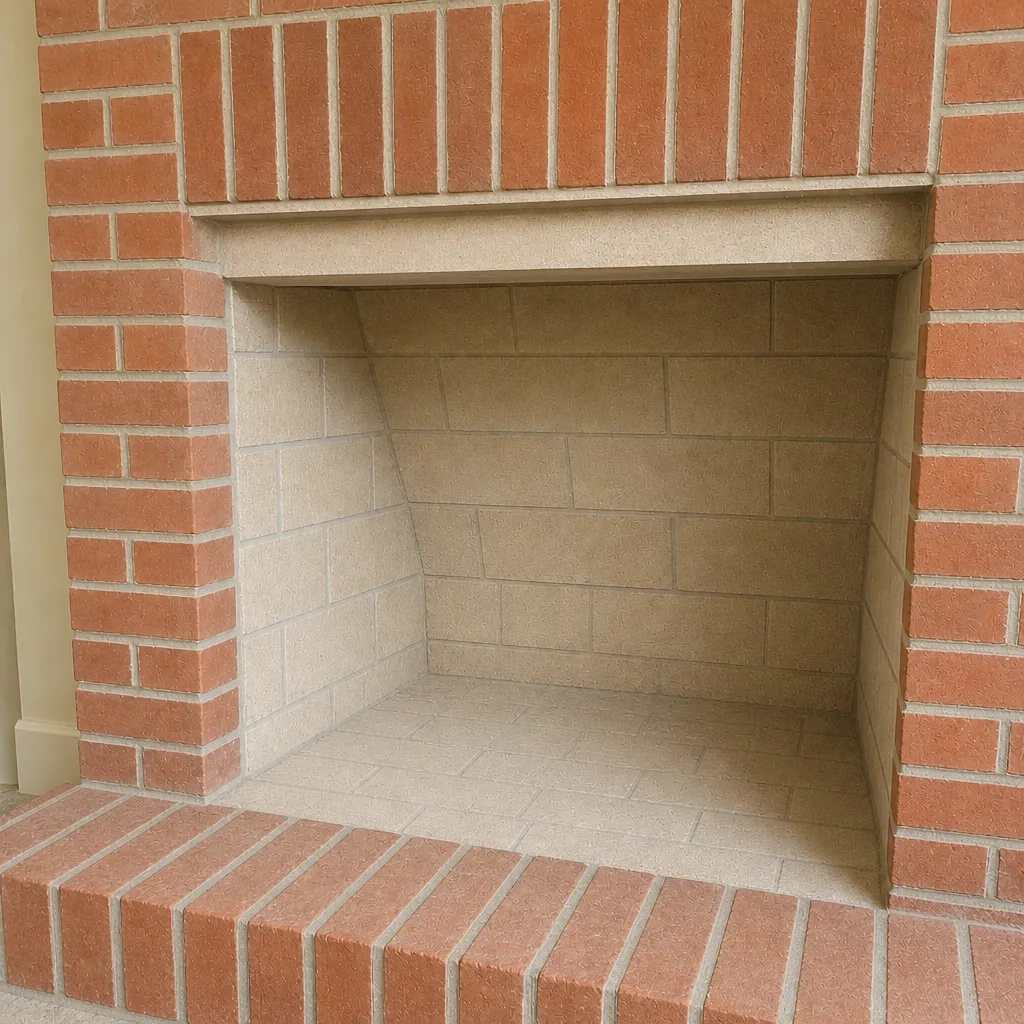
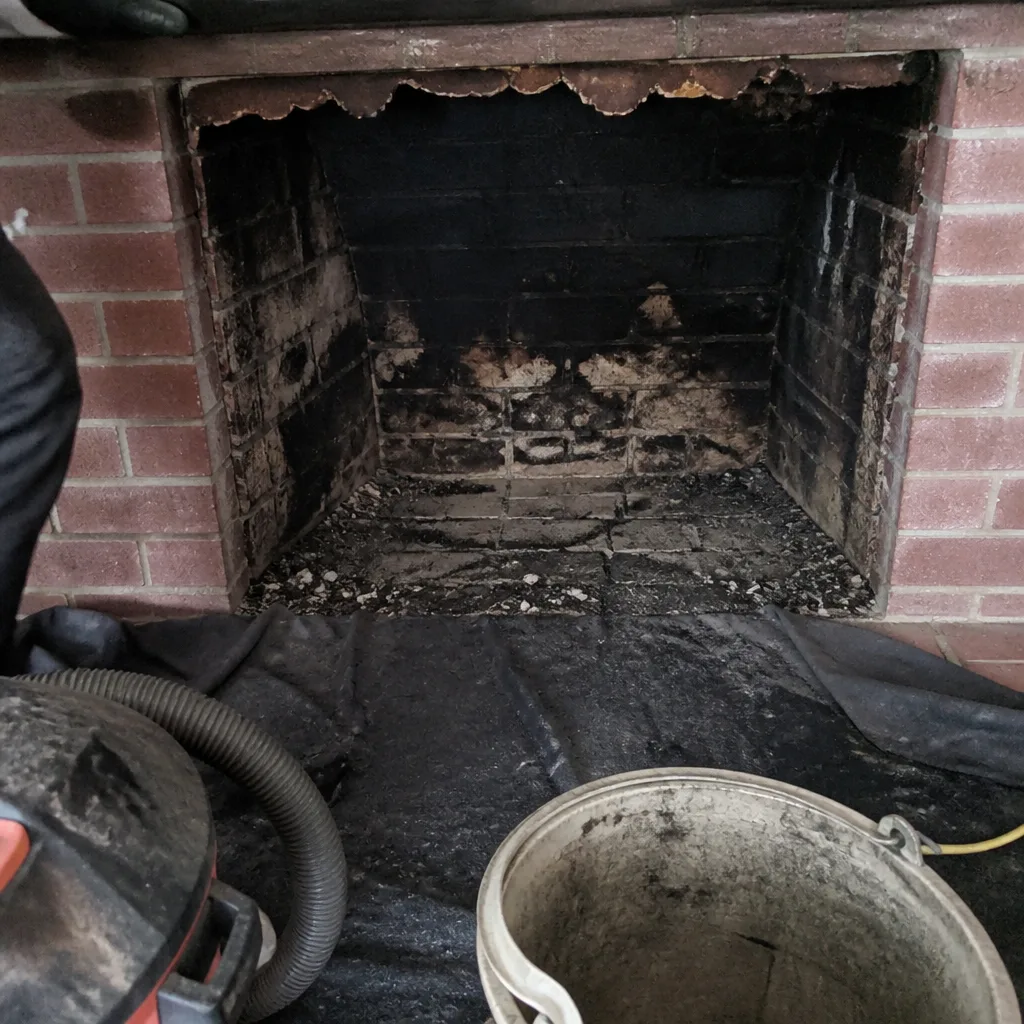
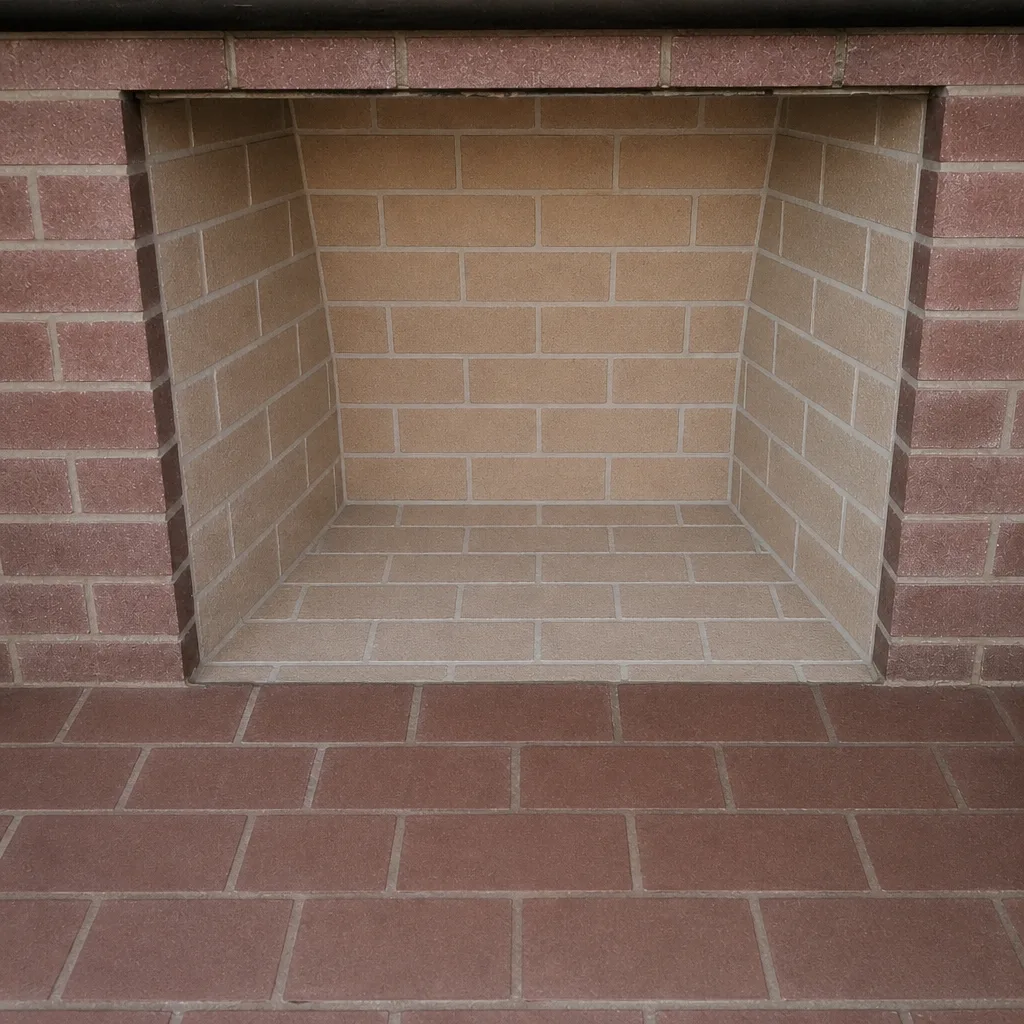
See the difference
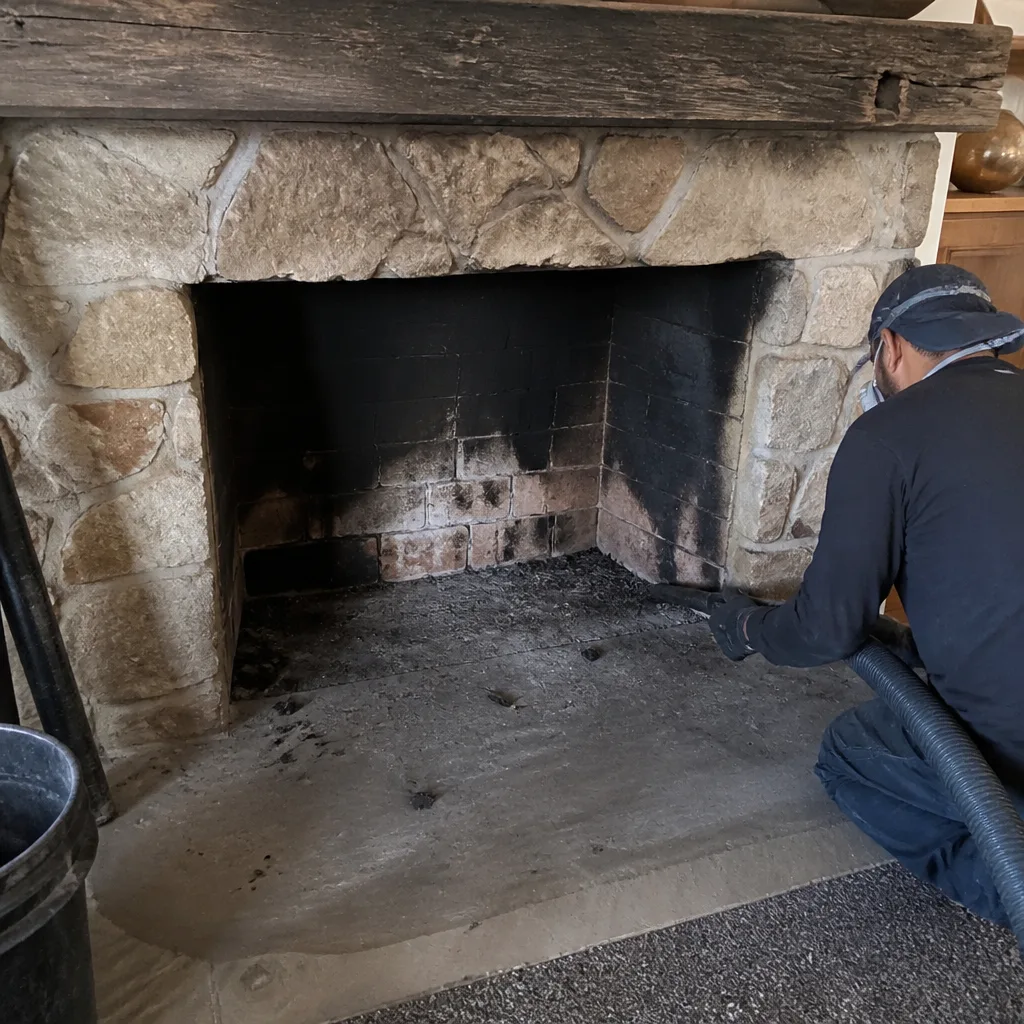 Before
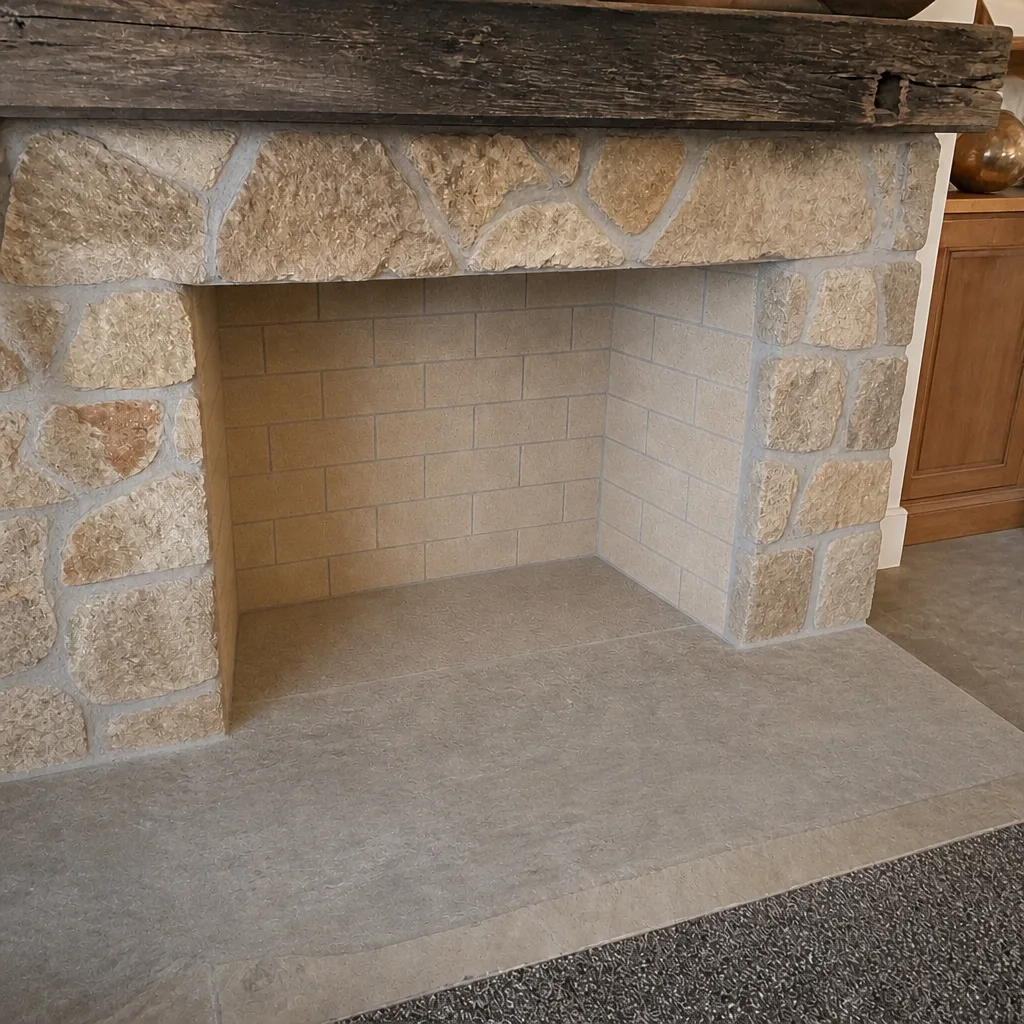 After
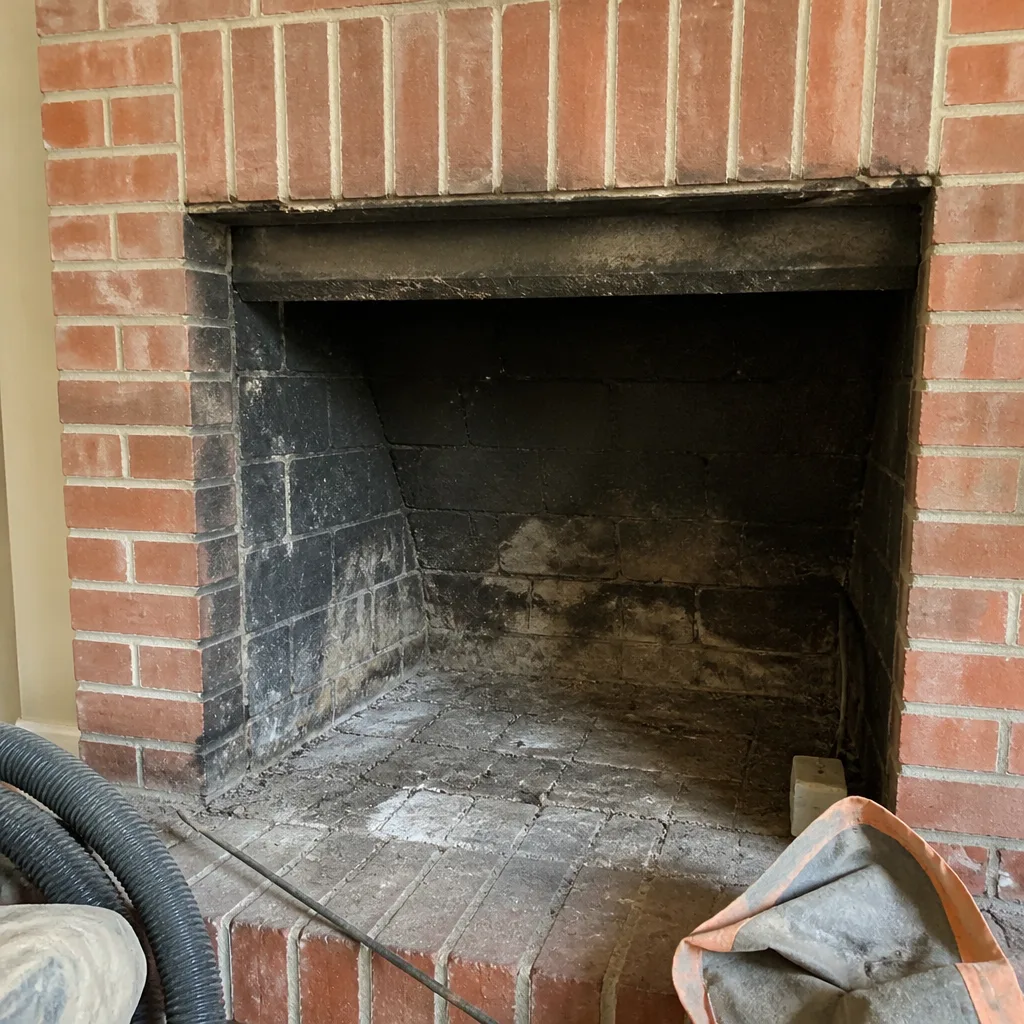 Before
 After
 Before
 After