
Last updated November 25, 2026
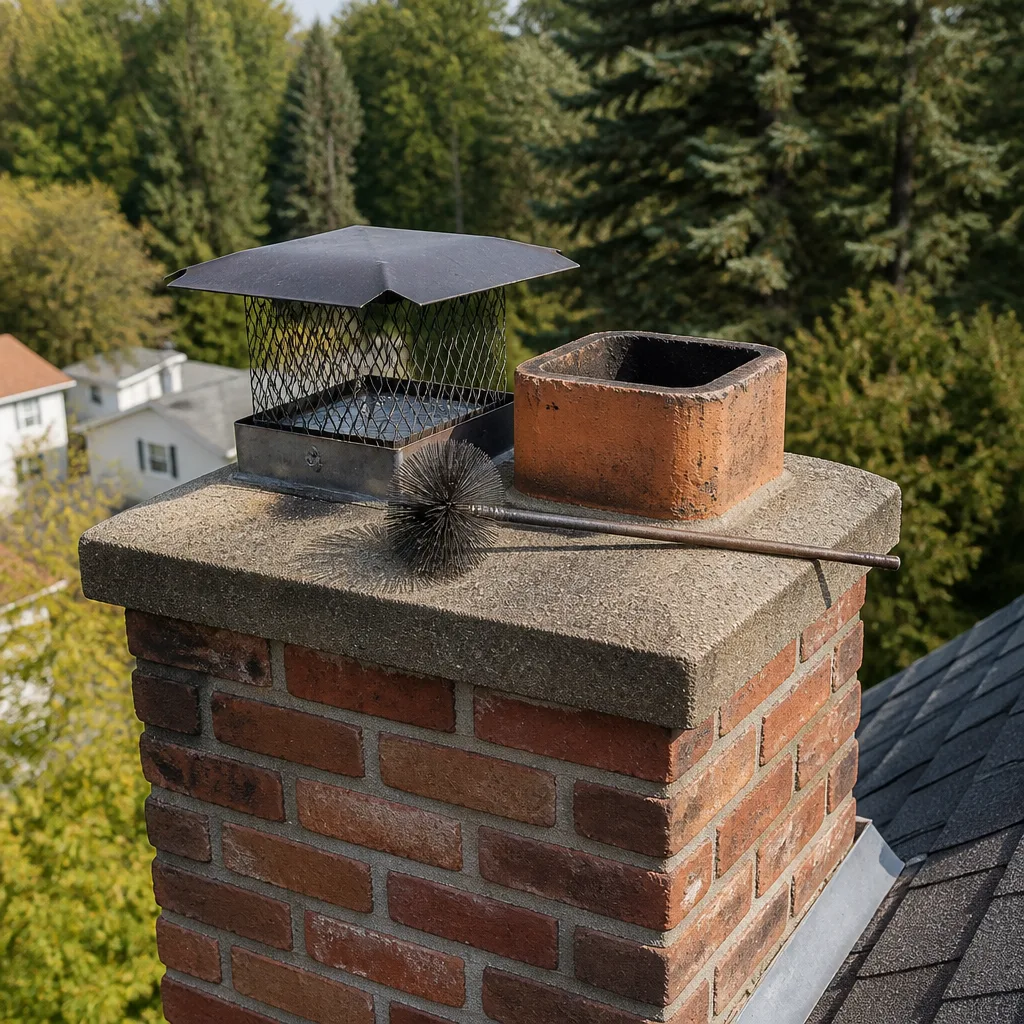 Sweep & inspection
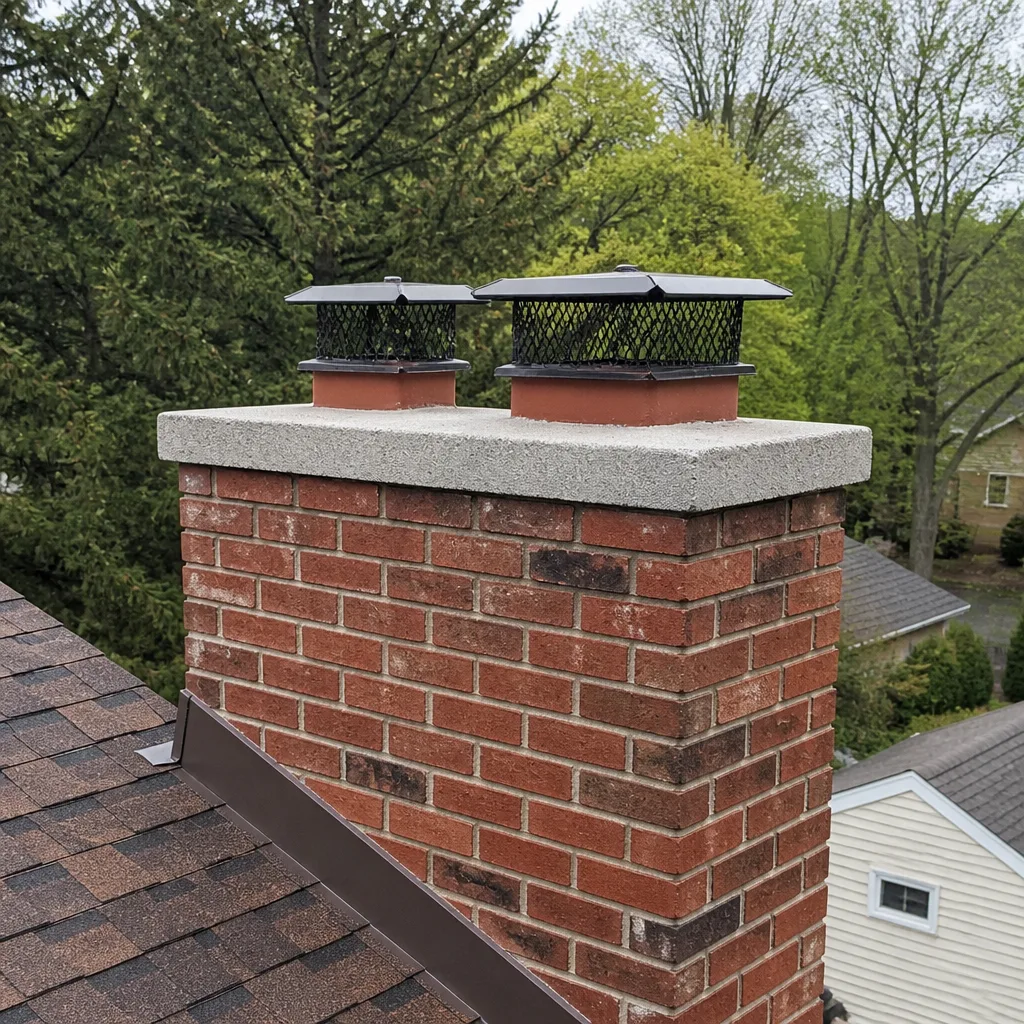 Caps & crowns
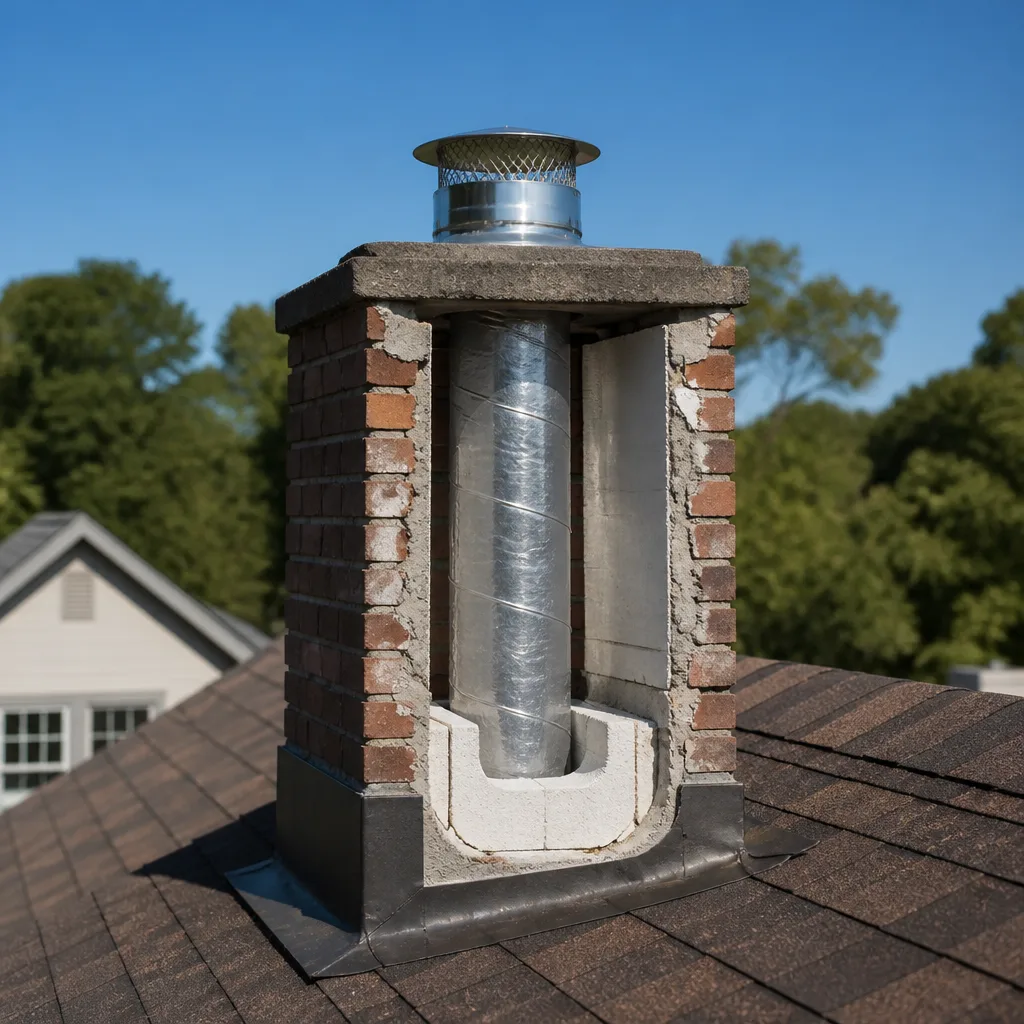 Flue relining
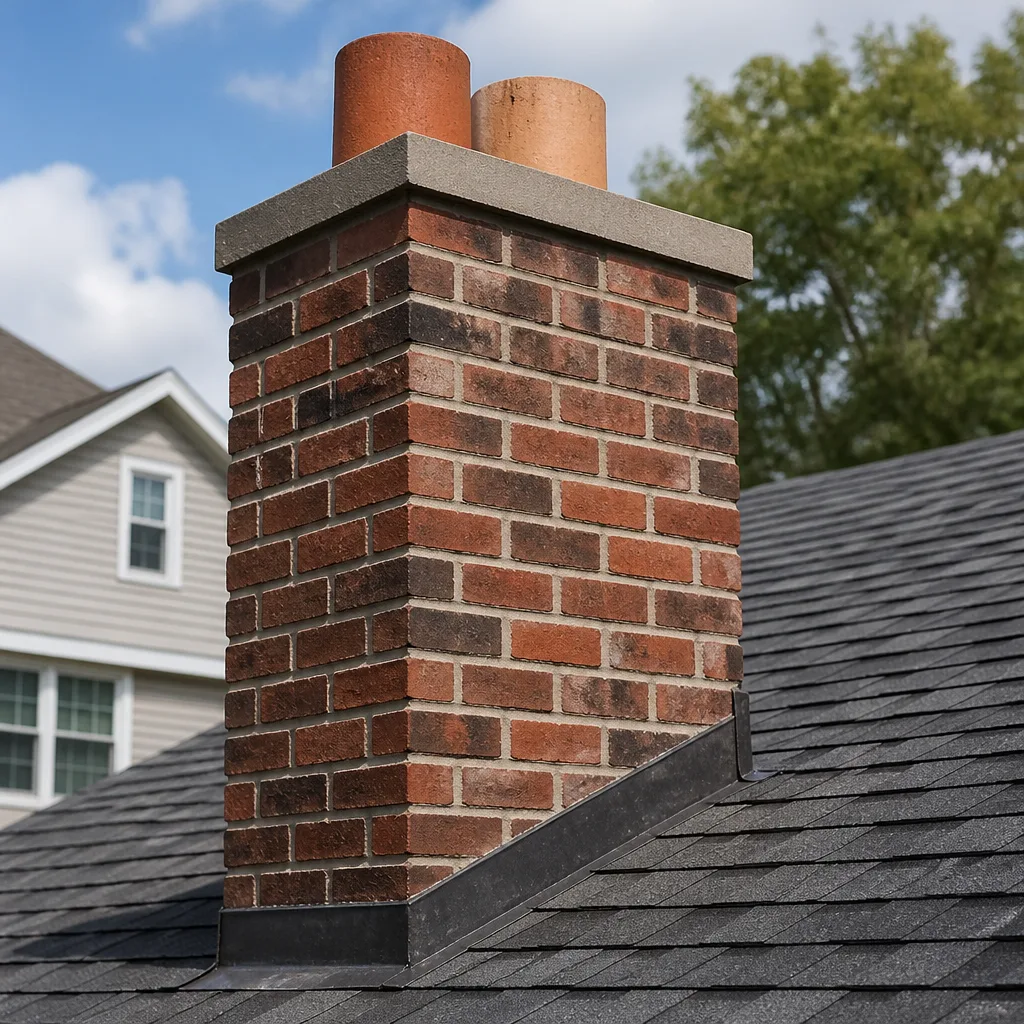 Masonry repair
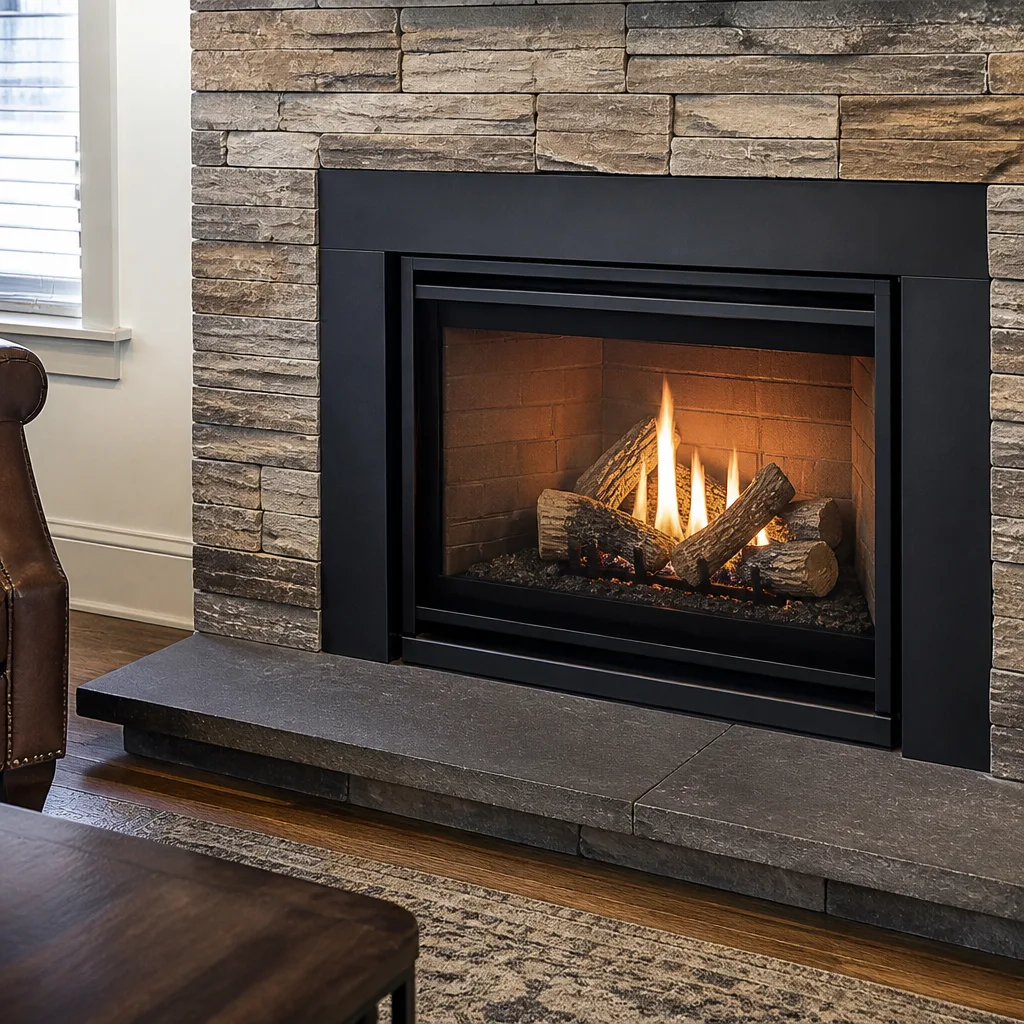 Gas fireplace service
Level 1 sweep and inspection to the NFPA 211 annual standard - flue, crown, cap, and flashing checked and photographed
Chimney sweep logs do not sweep chimneys. They loosen some creosote - which then falls where a brush and vacuum still have to collect it.
Choosing the Right Chimney Cleaning Brand: A Buyer’s Guide for French Park
Most homeowners assume chimney work is generic. A brush is a brush, a cap is a cap, a liner is a liner. That assumption is the reason so many repairs fall apart within a few seasons. The materials a sweep puts inside your chimney – the liner, the sealant, the cap, the creosote treatment – are brand-specific, and the gap between a professional-grade product from a chimney supply distributor and the hardware-store version that looks identical on the shelf is real. In this guide we’ll explain which product categories actually matter, which brands professional sweeps rely on, how to ask a contractor the right questions, and what to expect from a job done with the right materials in French Park. You’ll finish knowing more than most people ever learn about what goes into a chimney.
Quick Answer
The right chimney cleaning brand for French Park homeowners isn’t one company name – it’s a short list of professional-grade material brands used inside the work: HeatShield for resurfacing, Gelco and Olympia Chimney for caps and venting, Famco for weatherproofing components, and DuraFlex or Copperfield for liners. Ask any contractor which of these they use, where they source them, and what documentation you’ll get at completion. Their answer tells you whether you’re getting a chimney specialist or a generalist picking up supplies between jobs.
Styles & brands we work with
- Sweep & inspection
- Caps & crowns
- Flue relining
- Masonry repair
- Gas fireplace service
Table of Contents
- Why Chimney Brands Actually Matter
- The Four Product Categories Where Brand and Grade Count
- How to Ask a Contractor What They Use
- Brushed Stainless vs. Aluminum Liners in California Heat
- Which DIY Chimney Products Hold Up
- Warranties and Documentation You Should Receive
- Why Two Identical-Looking Caps Age Differently
- Brand Choices in French Park’s Climate
Why Chimney Brands Actually Matter
Chimney parts look simple. They aren’t. A cap that fits your flue is easy to find. A cap whose steel gauge, mesh opening, and mounting system will survive 10-15 years of sun and temperature swings is a different product entirely – and it’s the one professional sweeps insist on.
Here’s the principle behind every recommendation in this guide: material grade, not appearance, decides lifespan. Two components from the same category can look identical in a photograph and still deliver wildly different service lives. That gap comes from:
- Steel gauge and alloy. Thicker stainless resists bending, corrosion, and heat cycling better than thin galvanized or aluminum. A heavier gauge cap keeps its shape through years of sun exposure; a lightweight one warps.
- Mesh specification. The mesh size on a cap decides whether it blocks sparks, animals, and embers without choking airflow. Off-the-shelf mesh is often too coarse or too fine for the flue it’s paired with.
- Mounting system. Caps that bolt through the crown or wrap around the flue tile hold up far better than caps that just sit on top. The way a cap is attached is as important as the cap itself.
- Sealants and adhesives. Chimney sealants have to move with the masonry as it expands and cools. Construction caulk from a home improvement store doesn’t have that flexibility.
In our work around French Park, we’ve pulled caps that were barely a few seasons old and already warped, with mesh that had rusted into a solid sheet. More often than not the underlying chimney was fine – the cap was just the wrong product. That’s why we work with the same professional-grade brands certified chimney specialists source nationally: Chimney Sweep French Park relies on these brands because they’re what actually holds up.
The Four Product Categories Where Brand and Grade Count
Not every product in a chimney job deserves brand scrutiny. But four categories do, because they’re the ones most likely to fail prematurely and most likely to be swapped for a cheaper alternative.
1. Caps and Crowns
Caps and crowns are your chimney’s first line of defense against water, animals, and debris. The brands that hold up here – Gelco, Olympia Chimney, Famco – use heavier stainless steel and specifically sized mesh. A professional-grade cap is measured to your exact flue dimensions rather than chosen from a shelf. Crown work uses proper masonry mixes that resist cracking better than a bag of quick-mix concrete. Our chimney cap & crown work is built around these products because water intrusion starts at the top of the chimney and works down.
2. Liner Systems
Liners are the heart of chimney safety. DuraFlex and Copperfield are two names that show up repeatedly in professional-grade relining work because their systems are engineered with specific alloys, wall thicknesses, and insulation options that meet code and hold up under heat. A brushed stainless liner from a recognized manufacturer is a real product with a real specification sheet. An aluminum flex liner chosen because it was cheaper at the supply counter is not the same thing.
3. Sealants and Adhesives
Smoke chamber sealants and mortar repair compounds are where HeatShield comes up in our trade. HeatShield products are designed specifically for chimney interiors – they handle heat cycling and adhesion to masonry in ways generic construction adhesive can’t. When we do fireplace repair, the sealants we use inside the firebox and smoke chamber are chosen for what they’ll be exposed to, not for what’s cheapest.
4. Creosote Treatments
Creosote is the tar-like residue from burning wood, and it’s a genuine fire risk when it builds up. Professional creosote treatments are the ones formulated to actually break down the third-degree glazed creosote, not just soften the easy first-degree soot. The products marketed directly to homeowners often fall short of this. If a sweep mentions a creosote treatment, it should be a professional formulation applied by someone who’s inspected the flue first.
How to Ask a Contractor What They Use
You don’t need to memorize brand names to protect yourself. You need to know which questions separate a chimney specialist from a generalist who sweeps chimneys between other jobs.
Use this sequence when you’re vetting any contractor in French Park:
- “Which brands do you work with for liners and caps?” A chimney specialist will name them without hesitating – HeatShield, Gelco, Olympia Chimney, Famco, DuraFlex, Copperfield. A generalist will say “we use good materials” or “whatever the supplier has.”
- “Where do you source your supplies?” Chimney-specific supply distributors are the answer you want. If the response is “we pick up whatever we need from the home improvement store,” the quality ceiling just dropped.
- “What’s the gauge on the cap you’d install?” A specialist knows. Even if they have to check the spec sheet, they’ll have the spec sheet.
- “How is the cap attached to the flue?” You want to hear about a real mounting system – top-sealing, bolt-through, or a specifically sized clamp. Not “it just sits on top.”
- “Can I see the product specification sheet before I commit?” Good contractors don’t hesitate on this one.
- “How long should the products you’re proposing last in our climate?” You should hear an honest range, not a promise of a lifetime.
The answers tell you more than any review or sales presentation. A contractor who lives inside the chimney trade will answer these easily and honestly. Someone treating the work as a side job will need to check with their supplier on every one, and the answers will feel rehearsed.
Brushed Stainless vs. Aluminum Liners in California Heat
This is the single decision that most affects how long a liner holds up. A brushed stainless liner and an aluminum flex liner can be sized to the same flue, look nearly identical on delivery, and still have wildly different service lives in California’s heat.
Why aluminum loses in our climate:
- Temperature tolerance. Aluminum has a much lower service temperature ceiling than stainless. A wood-burning fireplace running through heat events occasionally spikes well beyond what an aluminum liner is meant to handle, and the material weakens each cycle.
- Prefab fireplace demands. Prefab fireplace systems, which are common throughout French Park homes, are engineered for specific liner temperatures. The liner needs to be rated for that system, and aluminum rarely is.
- Corrosion and pinholes. Aluminum breaks down faster over time and develops pinhole leaks that let carbon monoxide and combustion byproducts escape into the chimney chase.
- Structural rigidity. A stainless liner holds its shape after installation. Aluminum tends to crush and kink if it’s routed through a challenging flue, and a crushed liner has reduced capacity.
Professional-grade DuraFlex and Copperfield stainless liner systems have published temperature ratings and specifications. That’s the standard we work to when a French Park home needs a new liner, and it’s why we don’t install aluminum flex liners as a shortcut. If a contractor offers you an aluminum liner at a lower price, ask what temperature rating it carries and whether it’s rated for your fireplace type. The answer will tell you a lot.
Which DIY Chimney Products Hold Up
Not every consumer chimney product is a compromise. Some are genuinely useful maintenance tools. Others are marketed to homeowners but fall short of what a professional would ever use.
Products that work well as homeowner tools:
- Creosote sweeping logs. Chemical chimney-cleaning logs reduce light soot buildup and are a reasonable supplement between annual sweeps. They don’t replace a professional cleaning, but they don’t hurt either.
- Basic flue brushes for light surface soot. A properly sized poly brush used from the top is a legitimate tool for light maintenance. It won’t touch glazed creosote, but it isn’t the problem.
- Fireplace glass cleaners. Liquid glass cleaners formulated for fireplace doors work fine and are worth using.
Products that fall short:
- Consumer-grade creosote removers marketed as “one application.” Third-degree glazed creosote requires professional formulation and application. Consumer products soften the surface but don’t convert the glaze.
- Hardware-store chimney caps. Universally sized, thin-gauge, and mounted loosely – they rarely hold up more than a few seasons in our conditions.
- Flexible aluminum liners sold as “DIY relining kits.” Liner installation is a code-sensitive job. A DIY aluminum liner risks reduced capacity, improper clearance, and no documentation.
The honest rule of thumb: homeowner tools are fine for supplemental maintenance. Anything that touches the safety of the flue – liners, crowns, caps – belongs in the hands of a specialist working with professional-grade products.
Warranties and Documentation You Should Receive
When a professional-grade product is installed, the manufacturer usually provides a warranty tied to that specific product. In our experience, homeowners rarely receive it, because the contractor either didn’t source through a distributor or didn’t think to pass it along.
Ask for and keep the following after any major chimney work in French Park:
- Product specification sheets for the liner, cap, or sealant used. These list materials, temperature ratings, and sizing.
- Manufacturer warranty documentation for any installed component. Read it for coverage length and what voids it.
- Installation notes or a written summary describing what was installed and how.
- Inspection findings in writing, including photos if they were taken. A written record of the condition before and after protects you if anything comes up later.
- Contact information for the installer for warranty-related questions.
The documentation isn’t red tape. A stainless cap with a 10-15 year expected life and a written warranty is a different product than an unmarked cap with no paper trail. If a contractor can’t or won’t produce product documentation, that tells you which category they’re in.
Why Two Identical-Looking Caps Age Differently
A hardware-store cap and a professional-grade Gelco or Olympia Chimney cap look nearly identical at installation. A few years later, the difference is obvious – and by then the homeowner has usually already paid for a replacement.
Three variables drive that divergence:
Steel gauge and alloy. Professional caps run heavier stainless. In French Park’s sunny climate with significant UV exposure and hot summer days, a thinner steel warps and its alloy pitting accelerates. The heavier product holds its shape and finish.
Mesh specification. The mesh on a professional cap is sized to block embers, sparks, and animals while still allowing proper draft. Off-the-shelf caps use universal mesh that either lets too much through or chokes the exhaust. Rusted or oversized mesh can become a draft problem on its own.
Mounting system. A cap that bolts through the crown or wraps securely around the flue tile stays put through wind and thermal movement. A “sit-on-top” cap shifts, lifts, and eventually blows off – which is one of the most common causes of water entry and wildlife in the flue.
When we install a cap in French Park, we size it to the exact flue dimensions, attach it properly, and document what was installed. A chimney cap installation isn’t a same-day guess; it’s a sized product installed to specification. That’s why the chimney sweep and inspection visit is where a good contractor catches an underperforming cap before it becomes a costly repair.
Brand Choices in French Park’s Climate
French Park’s mild winters and warm, sunny summers shape which professional products actually hold up here. We don’t fight freeze-thaw cycles the way colder regions do, but UV exposure and heat cycling are real factors that thin-gauge materials can’t handle.
What this means in practice:
- Caps and crowns take the most abuse from sun and heat. Heavier-gauge stainless and proper crown mixes are worth paying for. Cheap galvanized caps warp and rust faster here than most homeowners expect.
- Sealants and masonry repair need flexibility. Heat cycling expands and contracts the masonry shell every day, and rigid repairs crack. HeatShield resurfacing compounds are engineered for that movement.
- Liner materials need proper heat ratings for prefab and wood-burning fireplaces, which is why DuraFlex and Copperfield stainless systems are the standard we work to.
- Venting and weatherproofing through Gelco and Famco products keep water out at the joints where the cap meets the flue tile – the exact spot where cheap installations fail first.
We work exclusively on chimneys in French Park, so we’ve seen how each of these product categories performs across the neighborhood’s homes and fireplaces. That’s the practical reason brand choice matters here: it’s not a mailing-list of names, it’s what we know holds up versus what we end up replacing.
Common Mistakes to Avoid
- Choosing the lowest quote without asking what products it covers. A cheaper bid usually means a different product grade, not a different labor cost. Ask about the specific brands and gauges being installed before comparing prices.
- Accepting an aluminum liner because it’s “just as good.” Aluminum degrades faster under heat, develops pinholes, and struggles to meet prefab fireplace specifications. In French Park’s heat, the difference shows up within a few seasons.
- Buying a hardware-store cap and having it installed as a shortcut. Universal-fit caps rarely hold up in UV and heat cycling. Sized, heavier-gauge caps from Gelco or Olympia Chimney last 10-15 years versus a few.
- Skipping the annual inspection because the fireplace “looks fine.” The flue interior, crown, and cap are where problems start, and none of those are visible from the living room.
- Assuming a general handyman or roofer can handle chimney work. A generalist may patch a crown without checking the flue, or cap the chimney without inspecting the liner. Chimney work isn’t a side job.
- Not keeping product documentation after installation. No paper trail means no warranty recourse if a cap or liner fails prematurely. Ask for the spec sheets and warranty docs every time.
- Using DIY creosote removers to try to solve heavy glazed creosote. Third-degree glazed creosote needs professional formulation and application. Consumer products soften the surface at best.
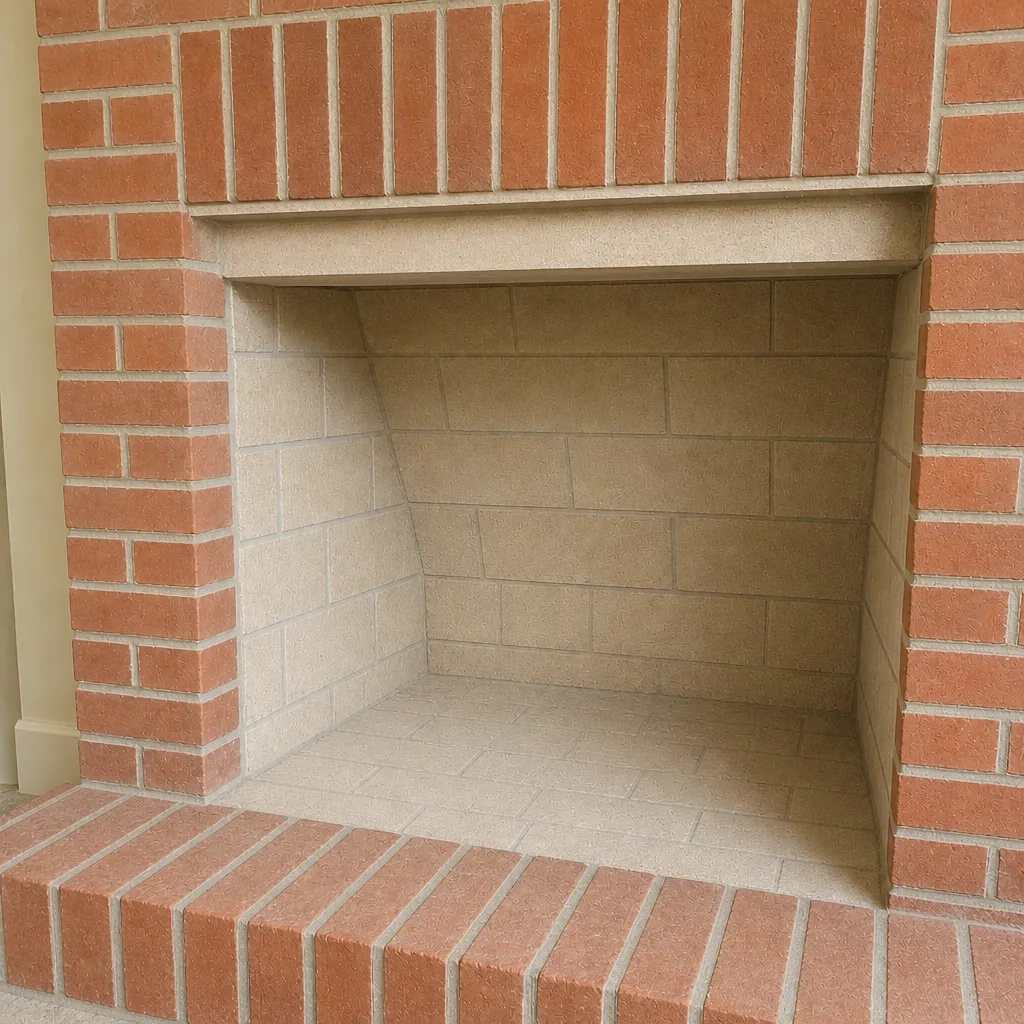
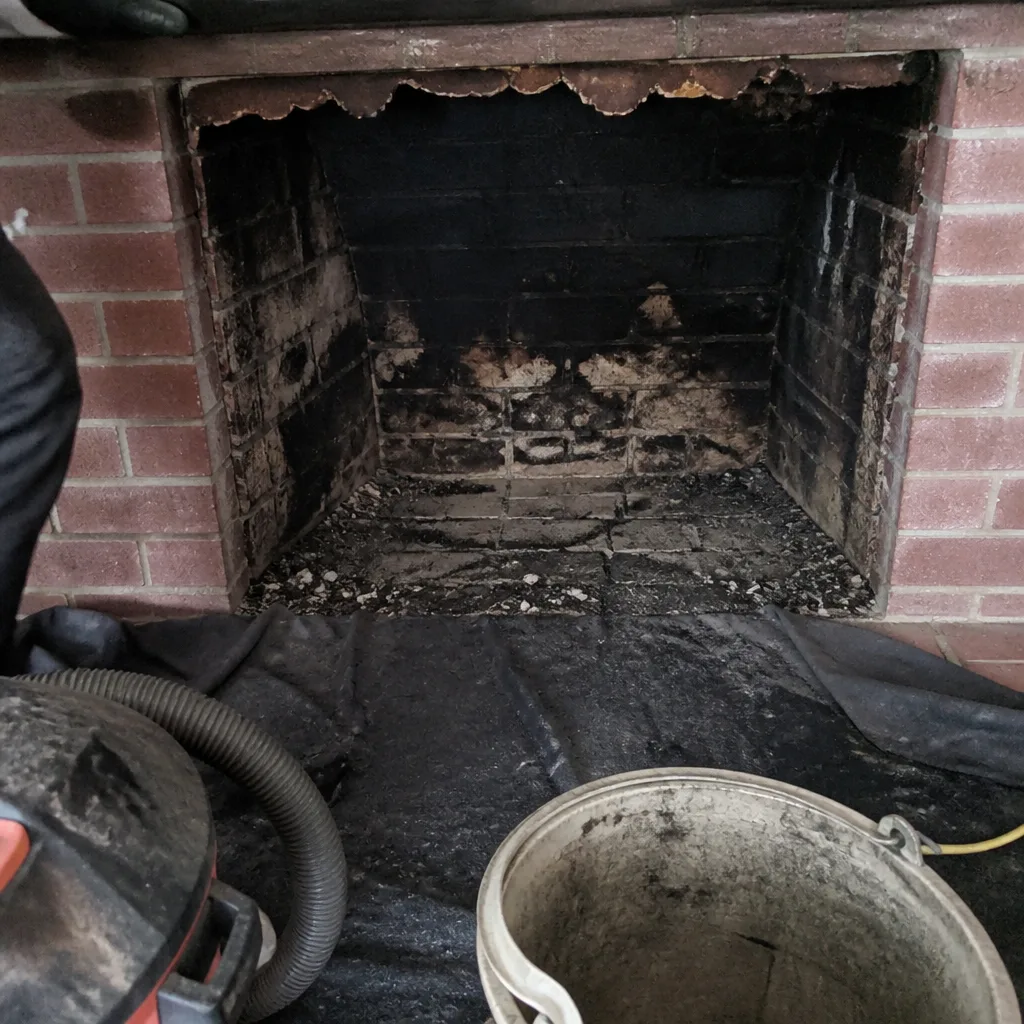
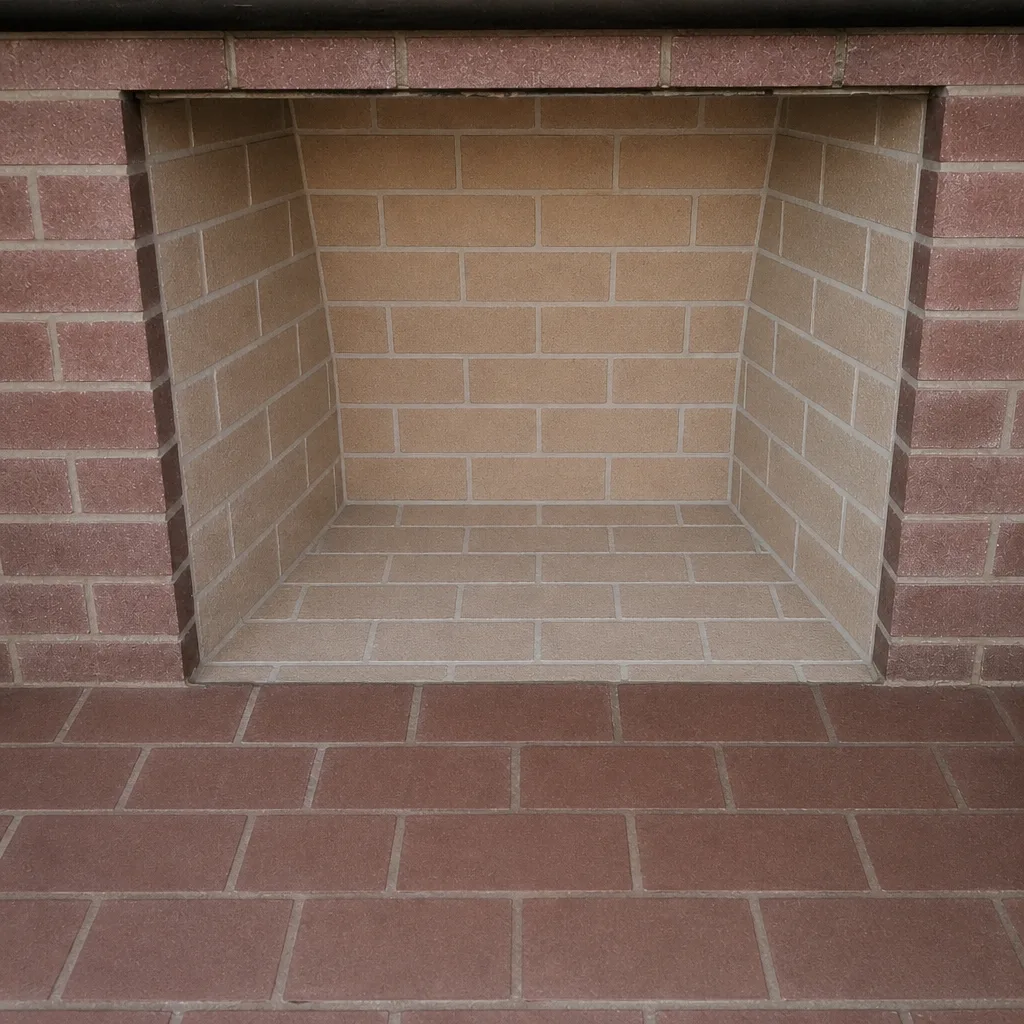
See the difference
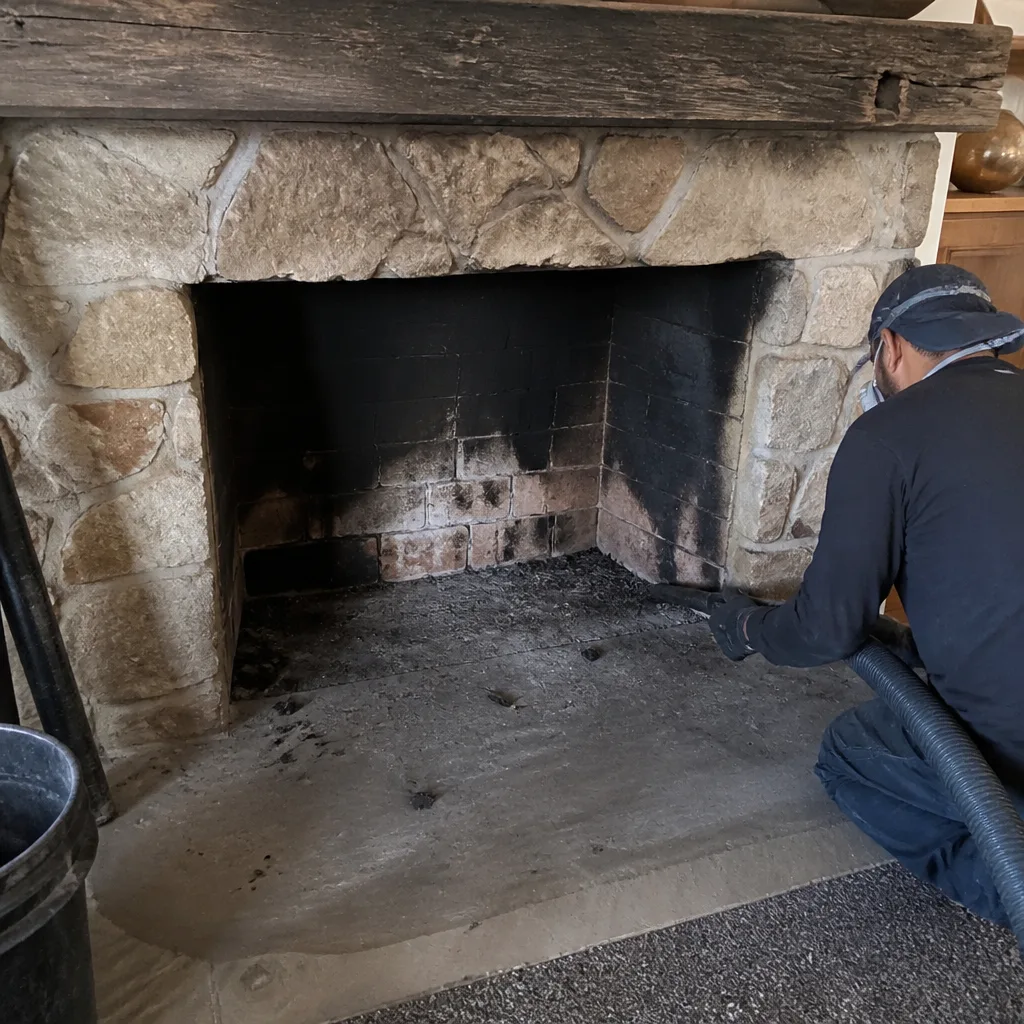 Before
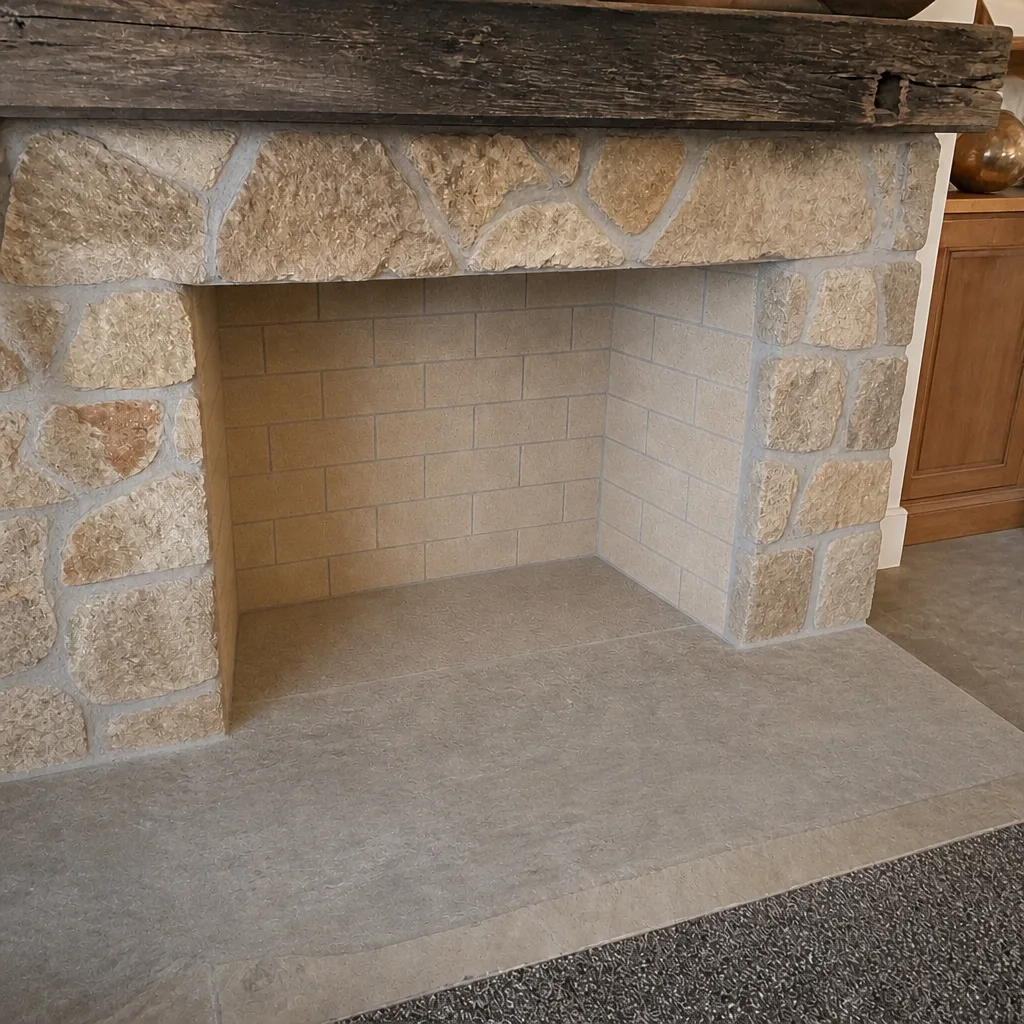 After
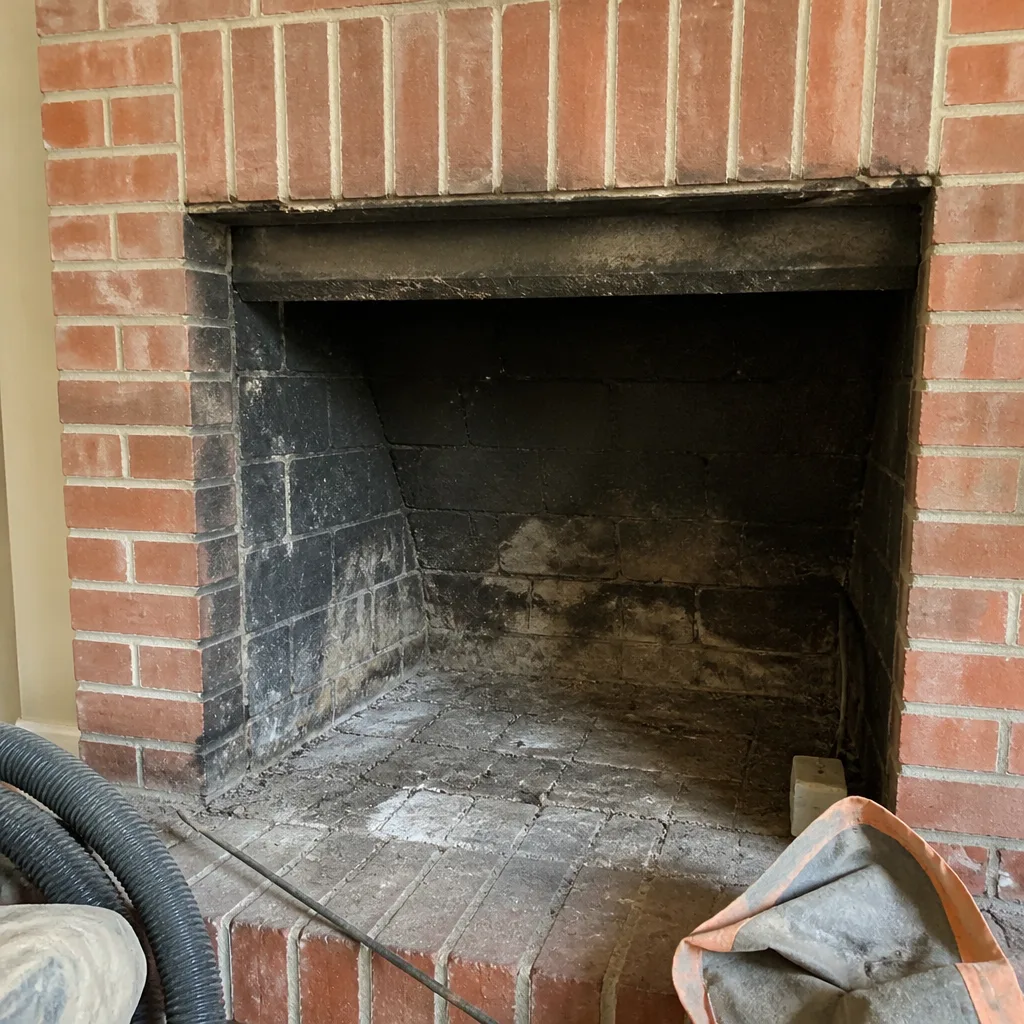 Before
 After
 Before
 After
When to Call a Professional
Call a chimney specialist when you’re unsure about the flue condition, when the fireplace hasn’t been inspected in a year or more, when you smell smoke in the house after a fire, when water stains appear on the ceiling near the chimney, or when you see evidence of animals or nests at the top of the flue. Call too if the chimney cap is missing, warped, or sitting loose, or if a prior repair used materials you can’t identify. Anything touching the liner or the crown belongs with a trained professional – high-tension components and structural chimney repairs are not DIY territory. Chimney Sweep French Park offers free estimates in French Park – call (833) 482-6444.
Frequently Asked Questions
Chimney sweeping in French Park is quoted per job based on your flue type, access, and what the inspection finds, so the written estimate you receive is what sets the final price – it isn’t a fixed fee. Call (833) 482-6444 for a free estimate; we’ll walk you through the range before any work begins.
Only if the existing liner is cracked, corroded, improperly sized, or unrated for your fireplace type – and you should never take that on faith. Ask to see the inspection findings, including photos of the liner interior. If the liner is sound, a new one isn’t necessary; if it isn’t, a proper stainless replacement from a professional-grade brand like DuraFlex is the safe path. Call (833) 482-6444 to talk through what we find.
Once a year for most wood-burning fireplaces, and more often if you burn frequently or burn unseasoned wood. Gas fireplaces still need an annual inspection even though they don’t generate creosote the way wood does. Call (833) 482-6444 to get on a schedule that matches how you actually use your fireplace.
Creosote builds up in the flue and becomes a fire risk, the crown and cap escape inspection, and small problems – cracked tiles, loose flashing, animal entry – turn into structural repairs. The annual visit is where problems get caught before they’re expensive. Call (833) 482-6444 for an inspection before the next burning season.
A chimney cap needs to be sized to your exact flue, so a proper cap installation requires knowing your flue dimensions and choosing a heavier-gauge stainless product from a manufacturer like Gelco or Olympia Chimney. A handyman can install a universal cap, but the fit and lifespan are usually a fraction of the professional-grade version. Call (833) 482-6444 for a sized recommendation.
Yes – manufacturer warranties exist on professional-grade liners, caps, and sealants, but the paperwork is only useful if it’s passed on to you. Ask for the product specification sheets and warranty documents at completion, and keep them with the inspection report. If a contractor won’t provide them, ask why before the installation starts. Call (833) 482-6444 if you have questions about documentation on a current job.
The Bottom Line
The brands used inside a chimney job – HeatShield, Gelco, Olympia Chimney, Famco, DuraFlex, Copperfield – exist for a reason. They’re specified by professional sweeps because they’re engineered to hold up under the heat and UV that French Park homes actually experience, and because the price difference between them and a hardware-store substitute is small compared to what you’ll spend replacing a failed part in a few seasons. Ask any contractor three questions: which brands, which supplier, and what documentation will you receive. Their answers tell you everything. If a sweep in French Park can’t answer those questions clearly, keep looking.
Chimney Sweep French Park works exclusively on chimneys and stays current with the professional-grade brands that certified specialists rely on. If you want a straight assessment of your chimney, an honest read on what actually needs replacing, and a written estimate that isn’t built around cheap substitutes, call us for a free estimate at (833) 482-6444. We read every question the same way: what’s safe, what’s not, and what products will actually do the job.
Written by the team at Chimney Sweep French Park.