
Last updated November 25, 2026
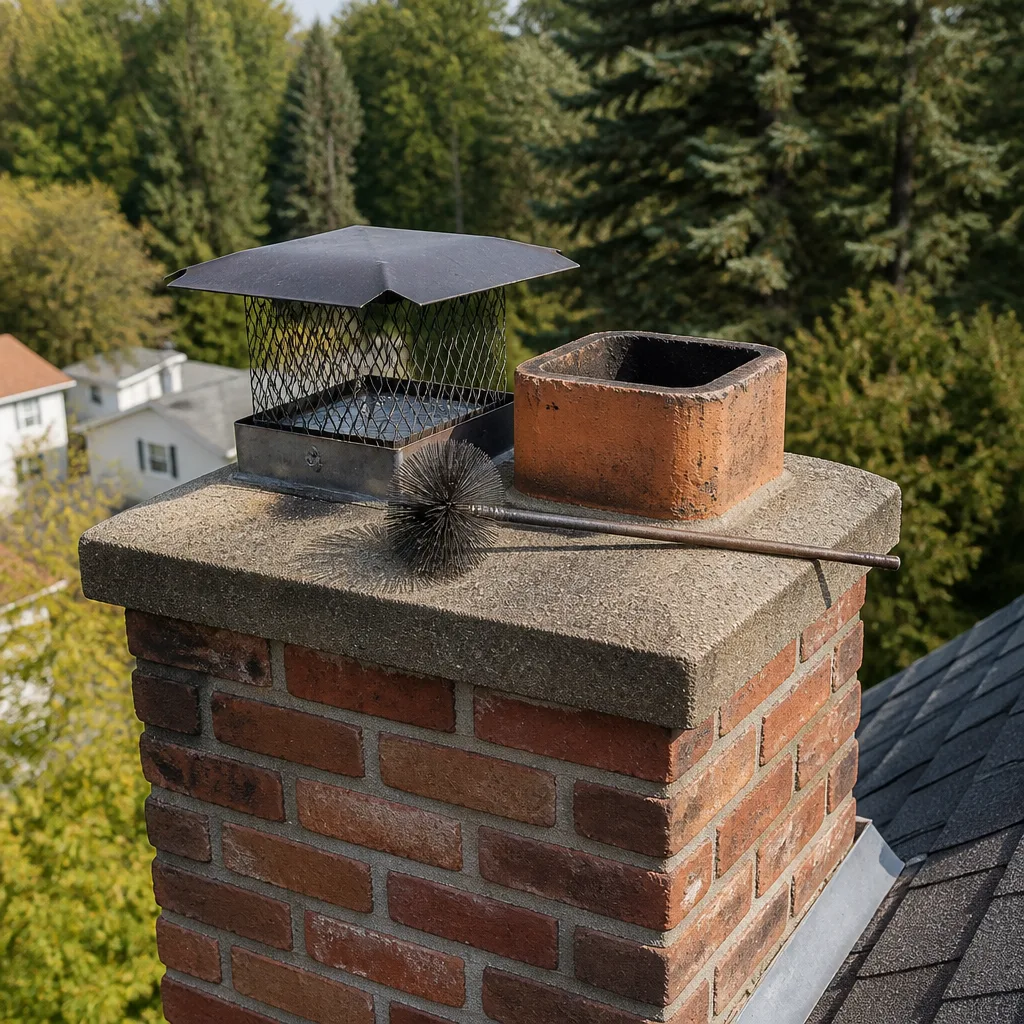 Sweep & inspection
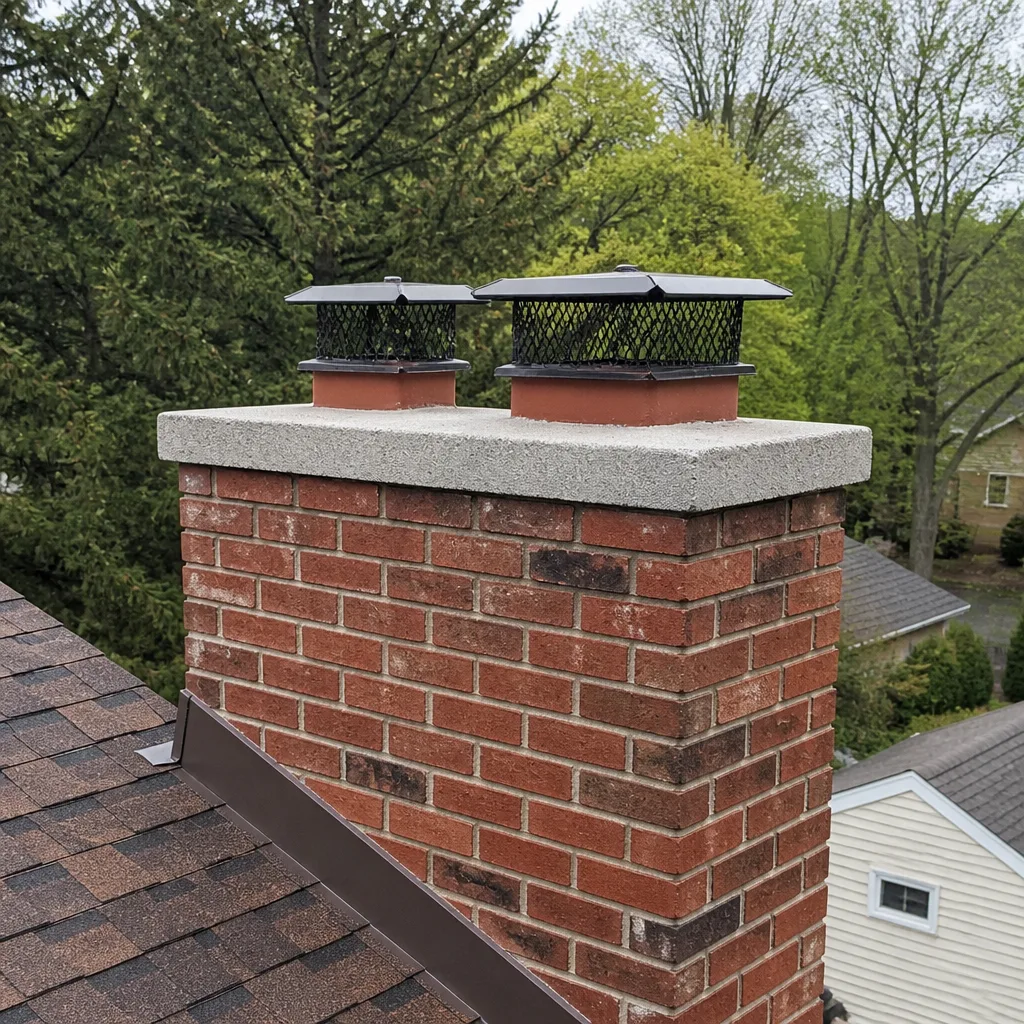 Caps & crowns
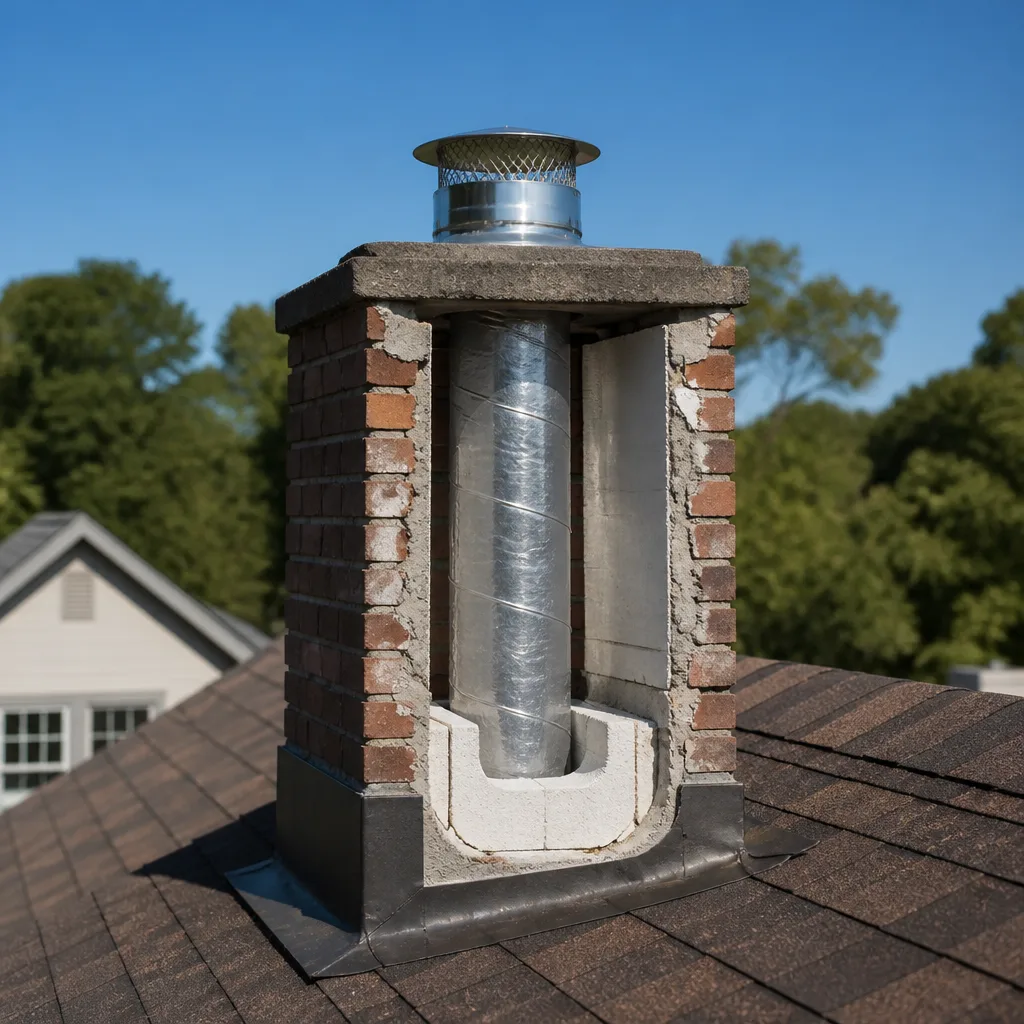 Flue relining
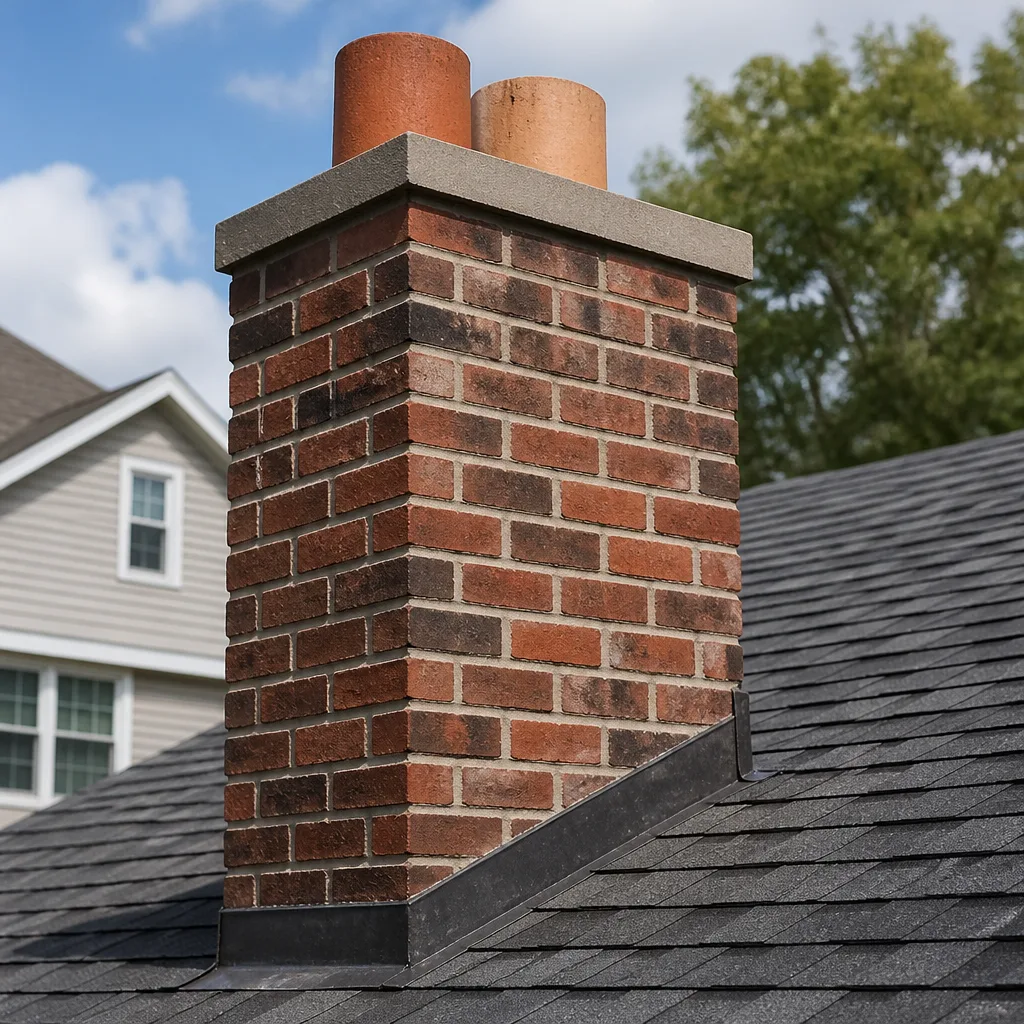 Masonry repair
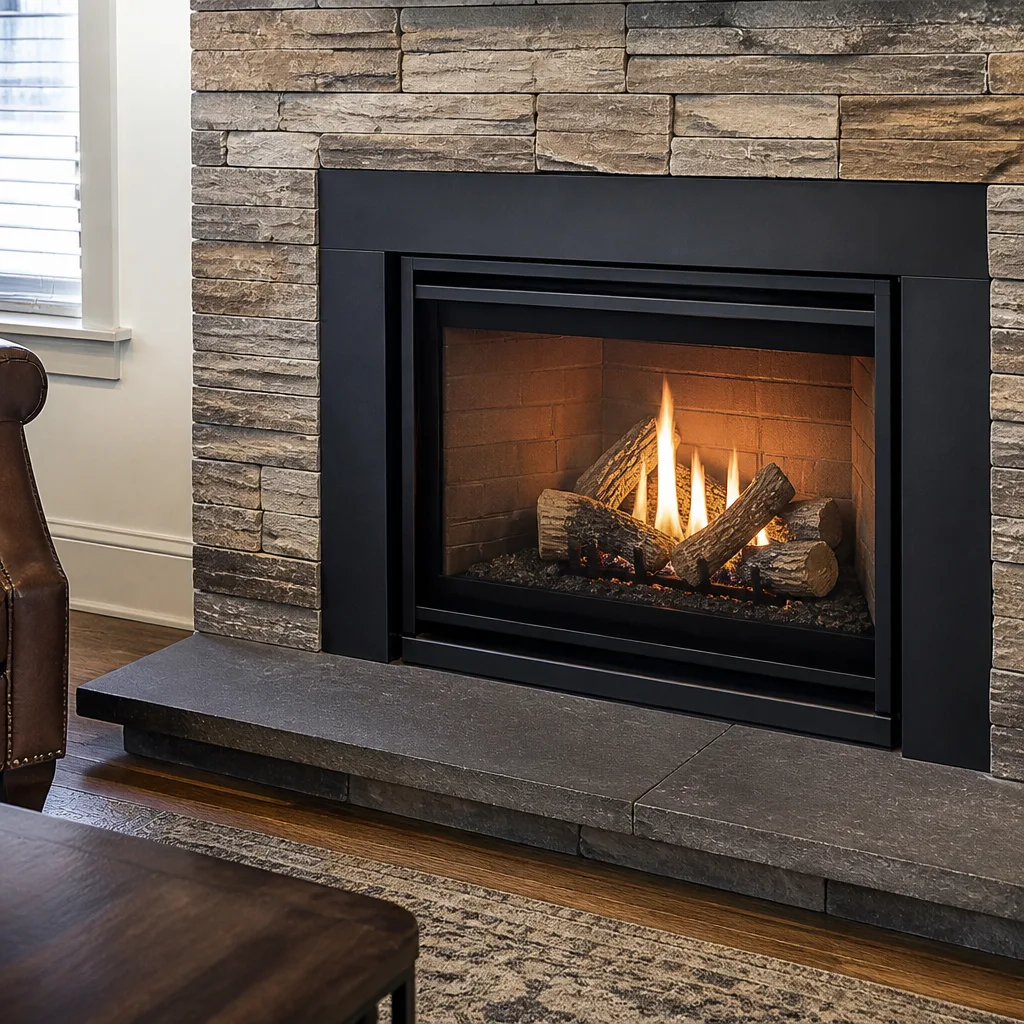 Gas fireplace service
Level 1 sweep and inspection to the NFPA 211 annual standard - flue, crown, cap, and flashing checked and photographed
Chimney sweep logs do not sweep chimneys. They loosen some creosote - which then falls where a brush and vacuum still have to collect it.
Chimney Cleaning Emergency Preparedness Guide for French Park Homes
Most homeowners treat chimney safety as a winter question. They book a sweep when the first cold snap hits and forget the flue until the next one. In French Park, that timing is backwards. The months that put the most stress on your chimney system here aren’t the cold ones. They’re the dry, windy months when wildfire smoke fills the sky, the power grid gets shaky, and people seal up their fireplaces to keep the air out. A damper that doesn’t close fully, a crown with a hairline crack, or a flue with no cap becomes a real problem under those conditions, not a theoretical one. This guide covers what actually happens to a chimney during a regional fire event, a power outage, or both, and how French Park homeowners can prepare before either one arrives.
Quick Answer
Chimney emergency preparedness in French Park means three things: verifying your damper seals completely before fire season, knowing the correct response sequence for a chimney fire in masonry versus prefab systems, and getting a post-wildfire inspection even if you never lit a fire. A two-minute damper test, a cap that fits, and a clear flue cover most of the risk. Everything else in this guide builds on those three.
Styles & brands we work with
- Sweep & inspection
- Caps & crowns
- Flue relining
- Masonry repair
- Gas fireplace service
Table of Contents
- Why French Park Chimneys Face a Different Kind of Risk
- The Two-Minute Damper Test That Tells You if Smoke Infiltration Is Real
- Sealing Your Fireplace During a Smoke Event Without Making It Worse
- What to Do Immediately if You Suspect a Chimney Fire
- Using Your Fireplace During a Power Outage
- Post-Wildfire Chimney Inspection: What Changes Inside Even if You Didn’t Burn
- The Chimney Emergency Kit for French Park Homes
- A Season-by-Season Prep Calendar
Why French Park Chimneys Face a Different Kind of Risk
French Park sits in a part of California where fire weather is a seasonal reality, not an abstraction. That changes what “chimney emergency” means. In a cold-climate town, the emergency is usually a blocked flue or a cracked crown letting water in. Here, the bigger scenarios are smoke infiltration during a regional fire event, a sudden loss of power that turns your fireplace into your only heat source, and the strange middle ground where the air outside is hazardous and the air inside is worse because the chimney is drawing the wrong direction.
We work exclusively on chimneys, and that focus matters in a place like French Park. A generalist contractor who sweeps flues on the side won’t necessarily know how a French Park chimney behaves when the outside air pressure shifts during a fire event, or why a prefab fireplace in a newer build responds differently than a masonry chimney in one of the older homes near the center of town. The system is the same, but the failure modes aren’t.
There’s also the plain fact that many French Park homes haven’t had a professional inspection in a year or more. The National Fire Protection Association recommends an annual inspection, and in a fire-adjacent environment that’s not a box to tick. It’s the difference between knowing your damper closes and hoping it does. If it’s been more than a year, start with a chimney sweep and inspection before you think about anything else in this guide.
What “emergency” actually looks like here
- Smoke drift: During a regional fire, a French Park home can pull smoke indoors through gaps in the damper, the firebox, or a missing cap.
- Grid outages: When the power goes, the fireplace becomes the heat source, and a flue that hasn’t been tested in months gets lit for the first time.
- Ash and ember intrusion: A cap with a damaged screen lets wind-driven ash and embers into the flue and onto the roof.
- Post-event damage: Heat, wind, and falling debris from a nearby fire can affect the exterior of a chimney even if the fire never reached the property line.
None of those are reasons to panic. All of them are reasons to know your system before the season starts.
The Two-Minute Damper Test That Tells You if Smoke Infiltration Is Real
Here’s the test. Close the damper fully, stand at the firebox with a flashlight, and look up past the damper plate. If you can see daylight or a clear line of sight to the flue, the damper isn’t sealing, and smoke will find that gap during a fire event. If the plate closes flush and you can’t see past it, you’re in good shape.
That’s it. Two minutes, no tools. We’ve walked French Park homeowners through this test more times than we can count, and the results are often surprising: people who assumed their damper was fine discover a plate that closes at an angle, a hinge that’s rusted open, or, in some older fireplaces, no damper plate at all.
What each result means
- Plate closes flush, no visible gap: Your damper is doing its job. Note the date and re-test before each fire season.
- Plate closes but you see a sliver of light: Minor leakage. During a smoke event, this is where smoke gets in. A gasket or damper repair usually solves it.
- Plate won’t close, sticks, or is missing entirely: Real infiltration risk. This is the scenario that sent thousands of California homeowners scrambling during the 2020 fire season with fireplaces they thought were sealed.
If your test comes back in the second or third category, that’s a repair conversation, not a cleaning one. We handle fireplace repair for exactly this kind of damper issue, and it’s one of the most common jobs we’re called out for in French Park.
Why a top-sealing damper changes the math
A traditional throat damper sits at the top of the firebox, which means the flue above it is still open to the outside air. A top-sealing damper closes at the top of the chimney instead, creating a full seal against smoke, cold air, and downdrafts. For French Park homes in fire country, that’s a meaningful upgrade. It’s the difference between closing a door and closing a door with a draft blocker behind it. We install top-sealing dampers as part of a broader chimney cap & crown evaluation, because the two components work as a system.
Sealing Your Fireplace During a Smoke Event Without Making It Worse
When wildfire smoke settles over French Park, the instinct is to seal the fireplace completely. That instinct is correct, but the method matters. A fireplace that isn’t sealed properly can pull smoke indoors through pressure differences alone, even with no fire burning. Sealing it correctly means closing the damper, confirming the cap is intact, and checking for gaps around the firebox where the unit meets the surround.
The safe sealing sequence
- Close the damper fully. Confirm with the flashlight test above. A damper that’s “mostly closed” is not sealed.
- Check the cap and spark screen. A missing or damaged cap is an open door for smoke, ash, and embers. This is one of the most common issues we find on French Park roofs.
- Seal gaps at the firebox. If there’s a visible gap where the firebox meets the surround or hearth, a temporary seal with foil tape or a fire-rated barrier works for a short event. A permanent fix is a repair job.
- Turn off any exhaust fans. A bathroom or kitchen fan running during a smoke event pulls air from wherever it can, including the chimney. Turn them off and keep them off.
- Do not light a fire. Obvious, but worth stating. A fire during a smoke event compounds indoor air quality immediately.
If your fireplace has no damper plate at all, sealing it for a smoke event requires a physical barrier at the firebox opening. That’s not a permanent solution, and it’s a sign the fireplace needs a proper damper installation before the next fire season. We’ll tell you exactly what we found and what it means before any work begins.
What to Do Immediately if You Suspect a Chimney Fire
Chimney fires don’t always look like fires. A masonry chimney fire can sound like a low roar or a series of pops, and you may see dense smoke or a glow at the top of the chimney. A prefab chimney fire often shows as discolored or warped metal at the cap or a strong burning smell inside the house. The response sequence is different for each system, and getting it right matters.
If you suspect a chimney fire in a masonry chimney
- Get everyone out of the house and call 911. This is not a “wait and see” situation. Masonry chimney fires can compromise the flue structure.
- If you can do so safely, close the damper and the firebox doors. This starves the fire of oxygen. Do not do this if it means staying inside longer than a few seconds.
- Do not put water on the fire. Water on a hot masonry flue can cause a steam explosion or crack the liner.
- Do not use the fireplace again until it’s been inspected. A chimney fire can leave hidden damage inside the flue that isn’t visible from the firebox.
If you suspect a chimney fire in a prefab fireplace
- Get out and call 911. The sequence is the same.
- Close the glass doors if the unit has them. Prefab fireboxes are metal and respond differently to heat than masonry.
- Do not attempt to inspect the flue yourself. Prefab chimney components can warp or separate under fire conditions, and the exterior chase may be hot enough to cause injury.
- Have the entire system inspected before any further use. Prefab chimneys are rated for specific temperature limits, and a fire event can push past them.
We’ve seen enough post-fire inspections in French Park to know that the visible damage is rarely the whole story. The flue interior, the cap, and the connections between sections are where the real problems hide. A trained professional with a camera can see what you can’t.
Using Your Fireplace During a Power Outage
When the grid goes down in French Park, the fireplace becomes the heat source. That’s fine, if the chimney is ready. The problem is that many outages happen in months when the fireplace hasn’t been used in a while, and a flue that’s been sitting idle can develop a draft problem, a blockage, or a downdraft that pushes smoke into the room instead of up the flue.
Before you light the first fire after an extended off period
- Test the draft. Light a small piece of newspaper or a rolled-up sheet of paper, hold it near the open damper, and watch the smoke. If it goes up the flue, the draft is working. If it drifts into the room, stop and investigate.
- Open a window slightly. A tight house with the power off can create negative pressure that fights the draft. A cracked window on the same side of the house as the fireplace equalizes it.
- Check the cap from the ground. If you can see the top of the chimney, confirm the cap is intact and the screen isn’t clogged with debris.
- Keep the fire small at first. A large fire in a cold flue can cause a rapid temperature change that stresses the liner. Build up gradually.
One more thing: if your fireplace is gas, it may not work without power. Many gas fireplaces use electronic ignition or a blower that needs electricity. Know before the outage whether yours is one of them. If it’s a wood-burning fireplace, the draft test above is the one step people skip, and it’s the one that matters most.
Post-Wildfire Chimney Inspection: What Changes Inside Even if You Didn’t Burn
A nearby fire event affects your chimney whether or not you lit a fire. Wind-driven ash and embers can enter through the cap and settle in the flue. Heat from a nearby fire can affect the exterior masonry or the metal components of a prefab chimney. And the sudden pressure changes that come with a large fire event can cause settling or cracking in a crown that was already marginal.
That’s why we recommend a post-wildfire inspection for French Park homes after any significant regional fire, even if the fireplace stayed cold the whole time. The inspection isn’t about finding a problem to fix. It’s about confirming the system is still in the condition you left it in.
What we check after a fire event
- The flue interior: Ash deposits, soot, and any debris that entered through the cap. A camera inspection shows the full length of the flue.
- The cap and spark screen: Warping, melting, or screen damage from heat and embers.
- The crown: Cracks or separation from the flue tile. An intact crown is your main defense against water intrusion.
- The flashing and roof connection: Wind-driven debris and heat can loosen flashing. This is a chimney issue, and it stays in our lane.
- The damper: Heat and ash can affect how a damper closes. Re-test it after the event.
We use camera inspection and provide a photo report as part of the service, so you see what we see. If the chimney is fine, we’ll tell you. If it needs work, we’ll show you the evidence before we recommend anything. That’s the standard we hold on every French Park inspection.
The Chimney Emergency Kit for French Park Homes
Most emergency kits are generic: water, batteries, a flashlight. A chimney-specific kit is different, and for French Park homes it belongs next to the fireplace, not in the garage. Here’s what we recommend having on hand before fire season.
- A flashlight with fresh batteries: You’ll use it for the damper test and for checking the firebox during an outage.
- Foil tape or a fire-rated barrier: For temporarily sealing a firebox gap during a smoke event.
- A chimney brush and rods (for surface ash only): Not a substitute for a professional sweep, but useful for knocking down light ash after a fire event. Never use it to clean a flue you haven’t inspected.
- A carbon monoxide detector: This is the one that matters most. Place it near the fireplace and test it before every fire season.
- A fire extinguisher rated for wood fires: Standard ABC extinguisher, kept within reach of the fireplace.
- A top-sealing damper handle or remote: If your system has one, know where the control is before you need it.
- Your inspection report and photo record: Keep the last inspection report where you can find it. It tells you the baseline condition of your system.
The one chimney-specific tool that prevents most damper emergencies isn’t in the kit. It’s the flashlight test itself, done before the season starts. Two minutes in the fall saves a lot of trouble in the middle of a smoke event.
A Season-by-Season Prep Calendar for French Park
Chimney preparedness isn’t a single task. It’s a rhythm that follows the French Park year. Here’s how we’d schedule it.
Early spring
- Book a post-winter inspection if you burned through the cold months.
- Check the crown and cap for damage from winter weather.
Late spring, before fire season
- Run the two-minute damper test.
- Confirm the cap and spark screen are intact.
- Book a sweep if it’s been more than a year since the last one.
Summer, during fire season
- Keep the damper closed when the fireplace isn’t in use.
- Test your carbon monoxide detector.
- Know your chimney fire response sequence for your system type.
Fall, before the first fire
- Run the damper test again.
- Test the draft before the first fire of the season.
- Book a pre-season inspection if you haven’t had one this year.
After any regional fire event
- Schedule a post-wildfire inspection, even if you didn’t burn.
- Re-test the damper and check the cap.
This calendar is a guide, not a rule. French Park’s fire season doesn’t follow a fixed date, and the right time to inspect is whenever the last inspection is more than a year old. If you’re not sure when yours was, that’s usually a sign it’s time.
Common Mistakes to Avoid
- Sealing the fireplace without testing the damper. A fireplace that looks sealed may still leak smoke through a damper plate that closes at an angle. Test it before you assume it’s sealed.
- Skipping the post-wildfire inspection because you didn’t burn. Ash, heat, and pressure changes affect chimneys during fire events regardless of use. The inspection is about confirming condition, not about finding a fire you started.
- Lighting a fire after an outage without a draft test. A cold, idle flue can downdraft into the room. The newspaper test takes a minute and tells you whether it’s safe.
- Assuming a prefab fireplace responds like a masonry one. The fire response and the inspection protocol are different for each. Know which system you have before an emergency.
- Ignoring the cap because it’s out of sight. The cap and crown are the most common sources of water intrusion and wildlife entry. A missing or damaged cap is also an open door for smoke and embers during a fire event.
- Using a generalist contractor for a chimney-specific problem. Dampers, caps, crowns, and flues are their own system. A specialist sees the failure modes a generalist misses.
- Waiting until the first cold snap to book a sweep. In French Park, the prep window is before fire season, not after it. Booking in late spring gets you ahead of the rush.
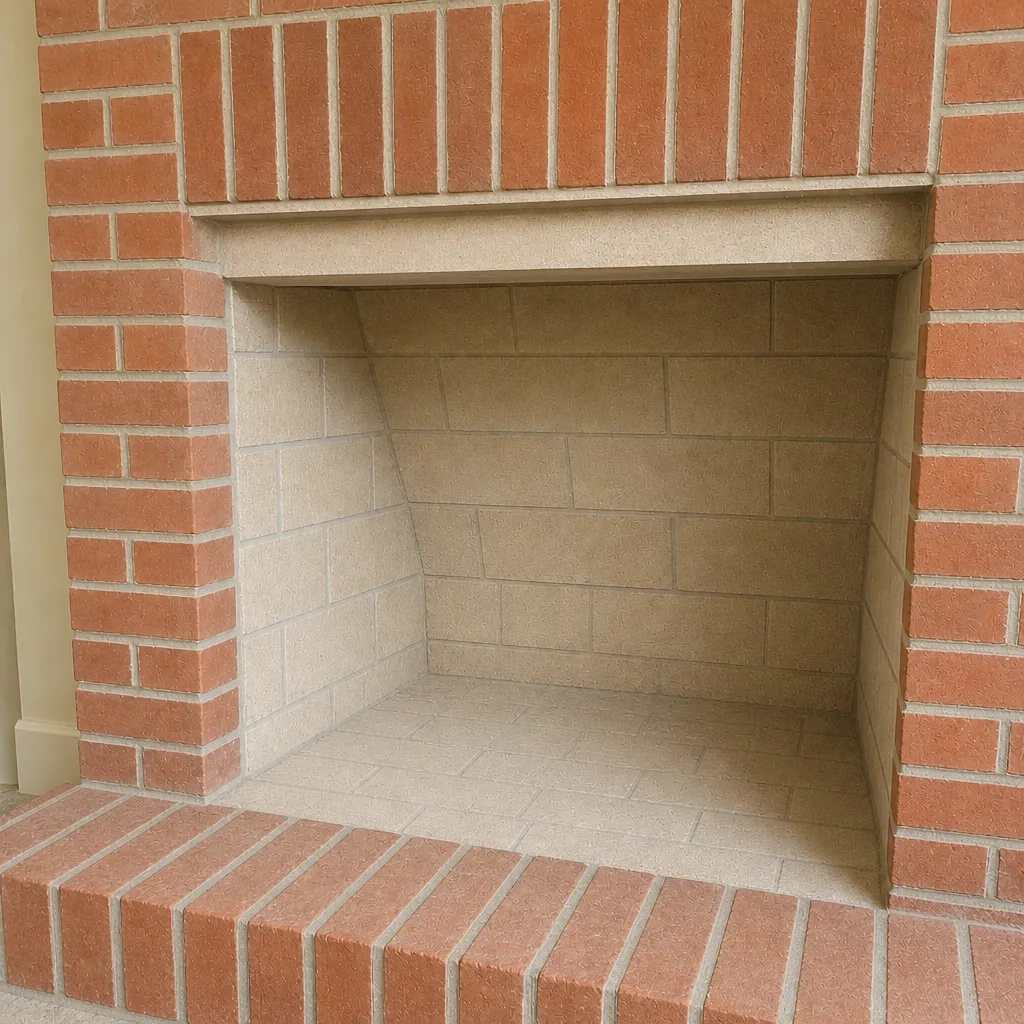
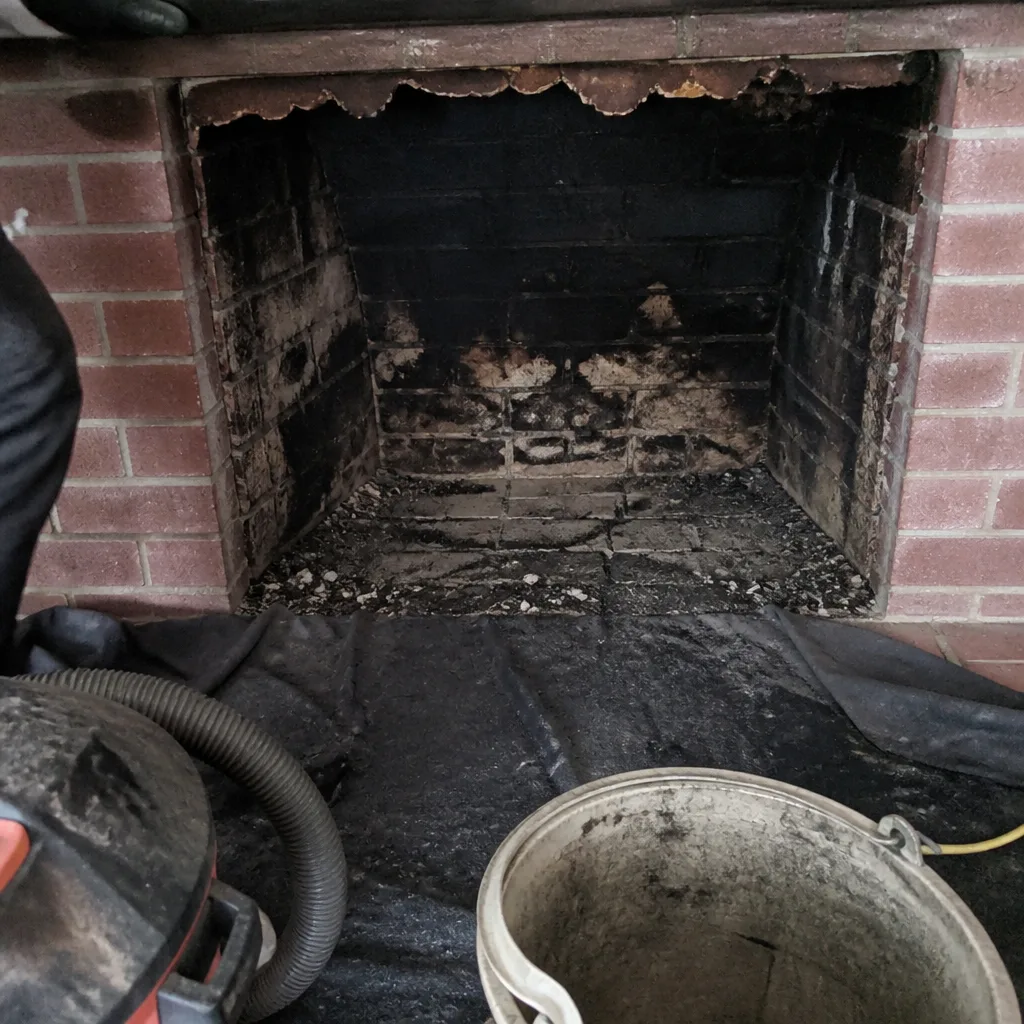
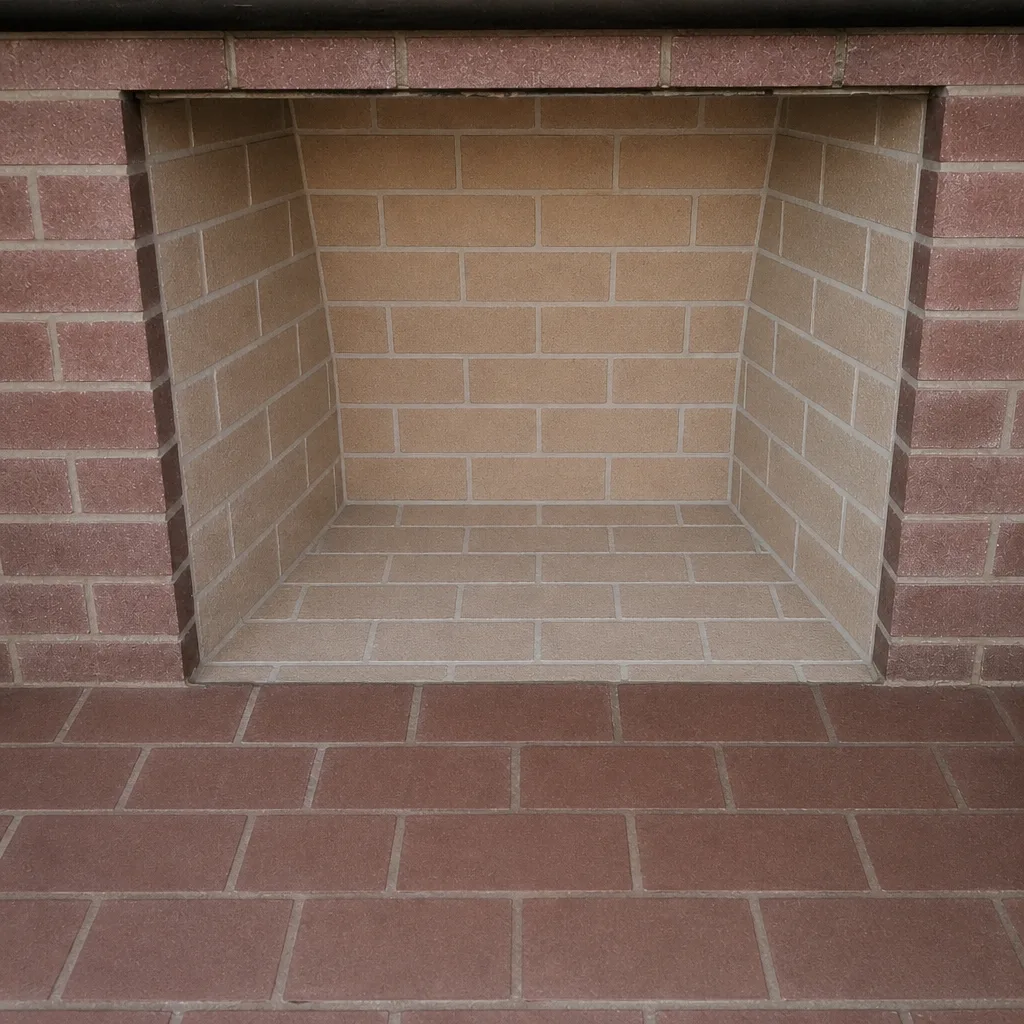
See the difference
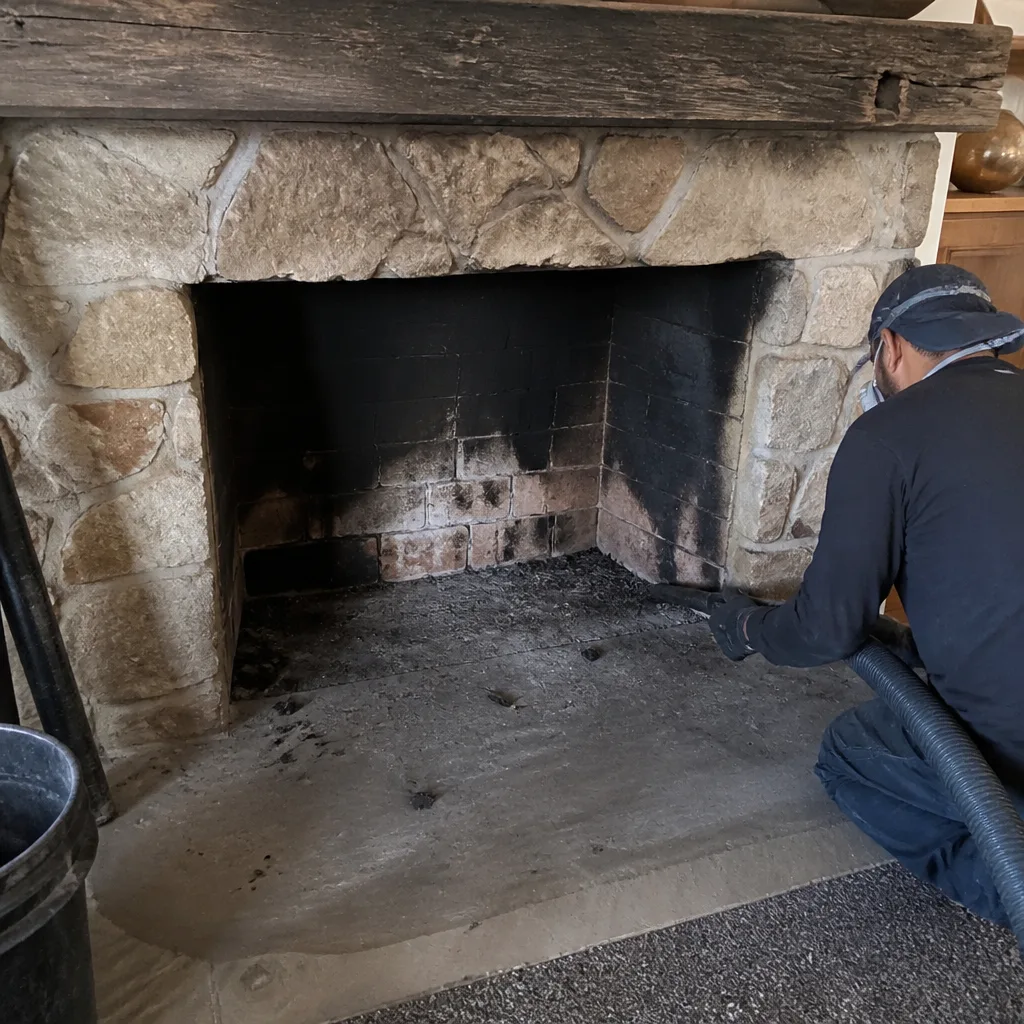 Before
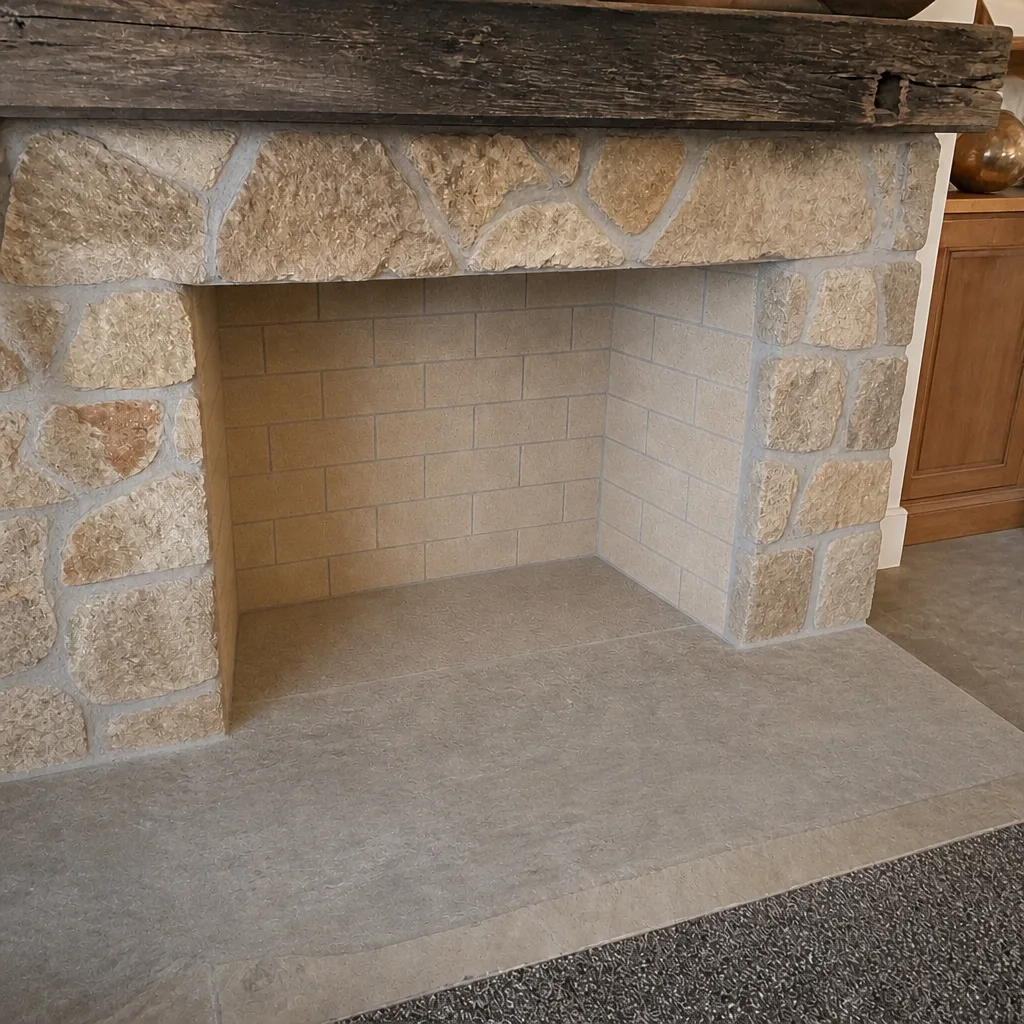 After
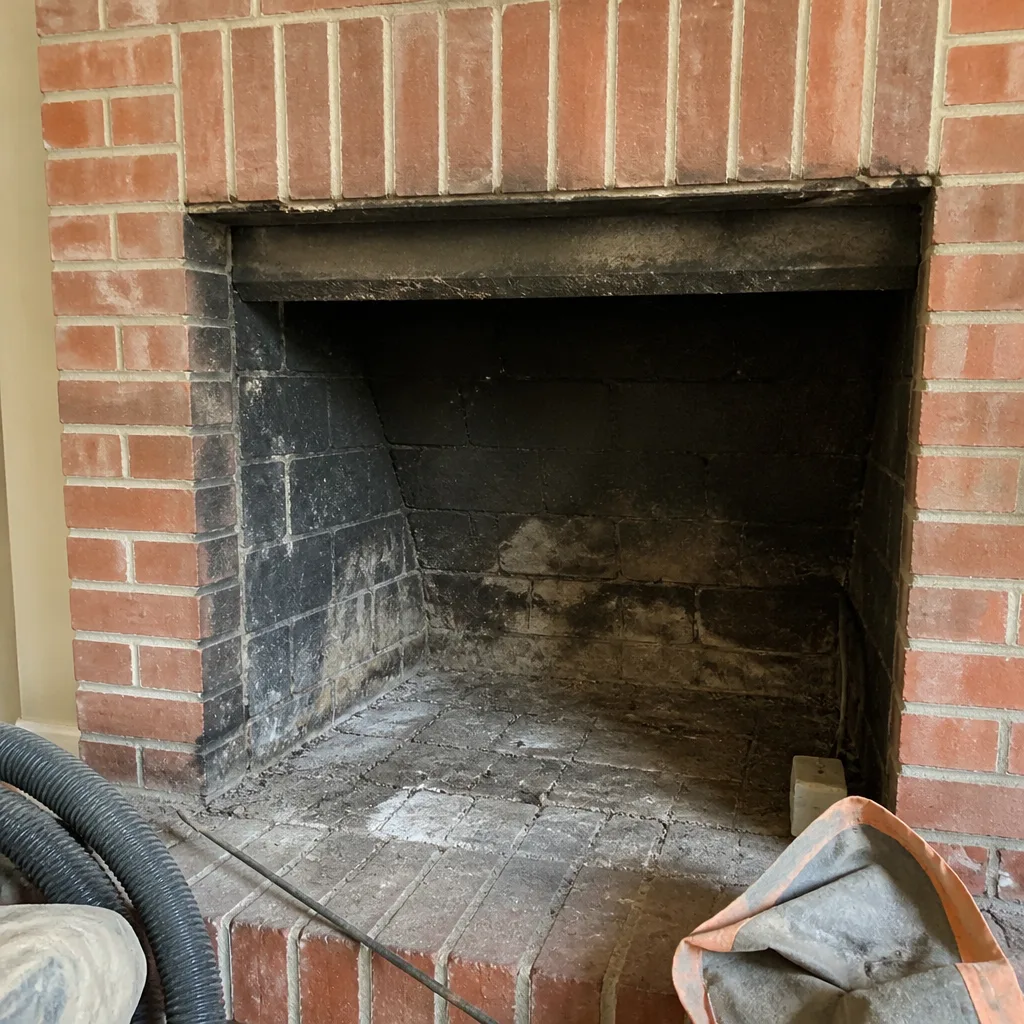 Before
 After
 Before
 After
When to Call a Professional
Some chimney issues you can check yourself: a damper test, a visual check of the cap from the ground, a draft test before the first fire. Others need a trained eye and a camera. Call us when the damper doesn’t seal, when you’ve had a chimney fire or suspect one, after any regional fire event, when it’s been more than a year since your last inspection, or when you see cracks in the crown or a damaged cap. We answer 24/7. Fast dispatch from 7am to 7pm, Sunday through Friday.
Chimney Sweep French Park offers free estimates in French Park. Our technicians have up to 15 years of experience, and every job starts with an inspection and a photo report so you can see the condition of your system before anything is recommended. We work with professional-grade brands like DuraFlex, HeatShield, Copperfield, and Gelco, and we’ve built our work around a single system: the chimney. Call (833) 482-6444.
Frequently Asked Questions
Close the damper fully and look up past the plate with a flashlight. If you can see daylight or a clear line to the flue, it doesn’t seal and smoke can get in during a fire event. The test takes about two minutes and needs no tools. If it fails, call (833) 482-6444 for an exact quote on a damper repair – estimates are free.
Get everyone out of the house and call 911 first. If you can do so safely, close the damper and firebox doors to starve the fire of oxygen, then don’t use the fireplace again until a professional has inspected the flue. For prefab systems, close the glass doors and stay out. Call (833) 482-6444 after the fire department clears the scene to book the inspection.
Yes, if the chimney is in good condition and the draft is working. Test the draft first with a small piece of burning paper, open a window slightly to equalize pressure, and keep the first fire small. If your fireplace is gas, check whether it needs power to operate. Call (833) 482-6444 for an exact quote on a pre-outage inspection – estimates are free.
Yes. Ash and embers can enter through the cap, heat and pressure changes can affect the crown and flashing, and the flue can collect debris even when the fireplace stayed cold. A post-wildfire inspection confirms the system is still in the condition you left it in. Call (833) 482-6444 to book one – estimates are free.
Once a year, and after any regional fire event. If it’s been more than a year since your last inspection, that’s the signal to book one. A chimney inspection isn’t just a checklist – it’s a look at every component from the firebox to the cap. Call (833) 482-6444 for an exact quote – estimates are free.
A flashlight. The two-minute damper test with a flashlight tells you whether smoke infiltration is a real risk before fire season starts. It’s the simplest check in this guide and the one most homeowners skip. If the test fails, call (833) 482-6444 – we can walk you through what it means and what a repair involves.
The Bottom Line
Chimney emergency preparedness in French Park comes down to knowing your system before the season, not after. Test the damper. Confirm the cap and crown. Know the fire response sequence for your fireplace type. Run a draft test before the first fire after an idle period. Get a post-wildfire inspection even if you didn’t burn. Those five habits cover most of the risk this guide describes, and none of them require specialty tools or a lot of time. What they do require is doing them before the smoke arrives, not during it. If you’d rather have a professional confirm the condition of your flue, damper, cap, and crown in one visit, that’s what we do.
Call (833) 482-6444. We answer 24/7. Fast dispatch from 7am to 7pm, Sunday through Friday. Estimates are free, and the written estimate sets the final price. We’ll tell you exactly what we found and what it means before any work begins. Start with a Chimney Sweep French Park inspection if you’re not sure where to begin.
Written by the team at Chimney Sweep French Park.