
Last updated November 25, 2026
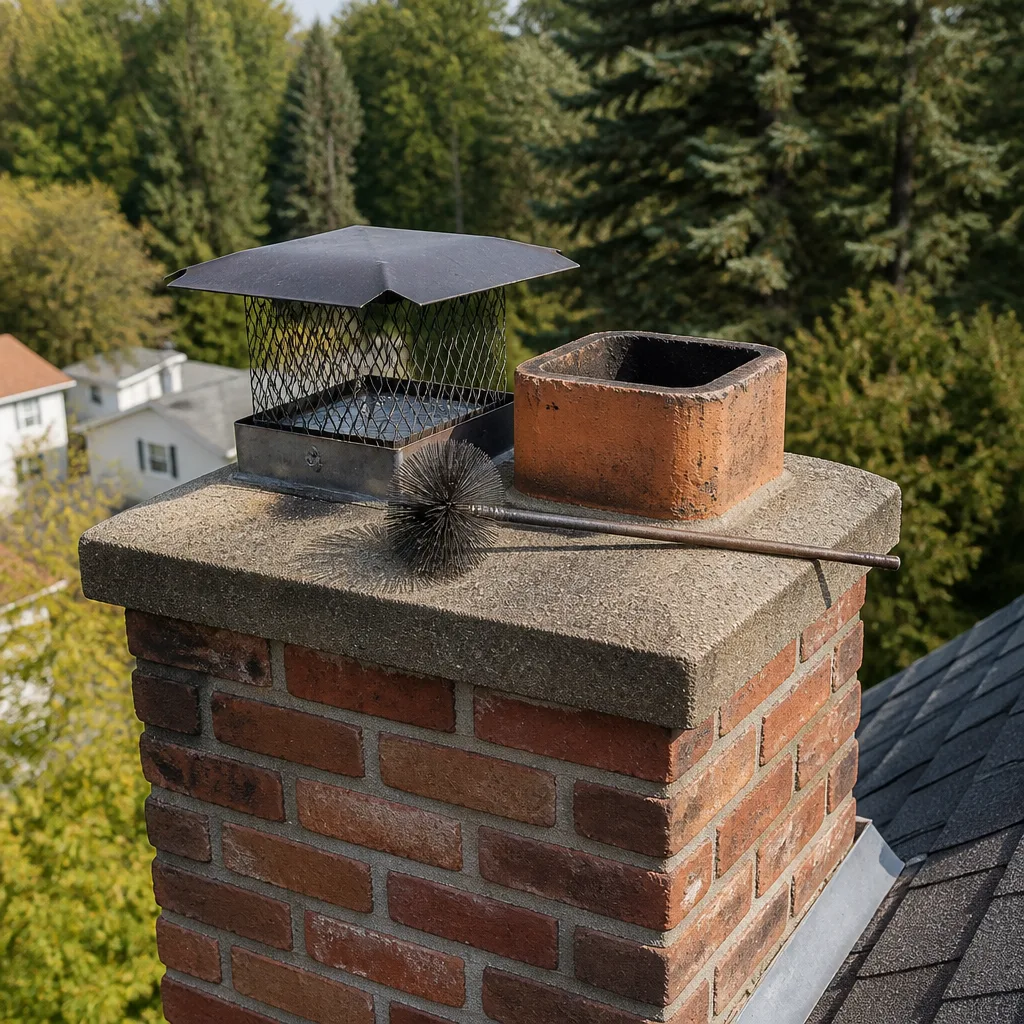 Sweep & inspection
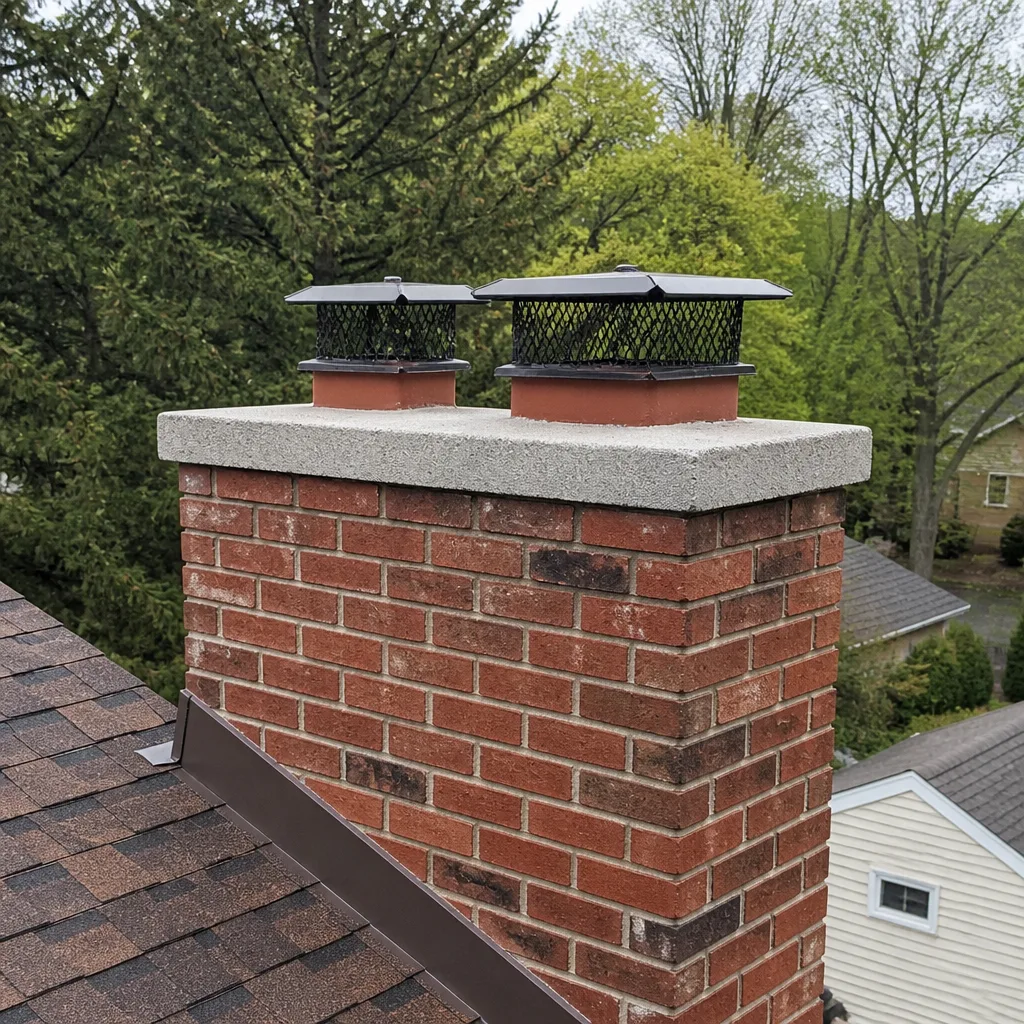 Caps & crowns
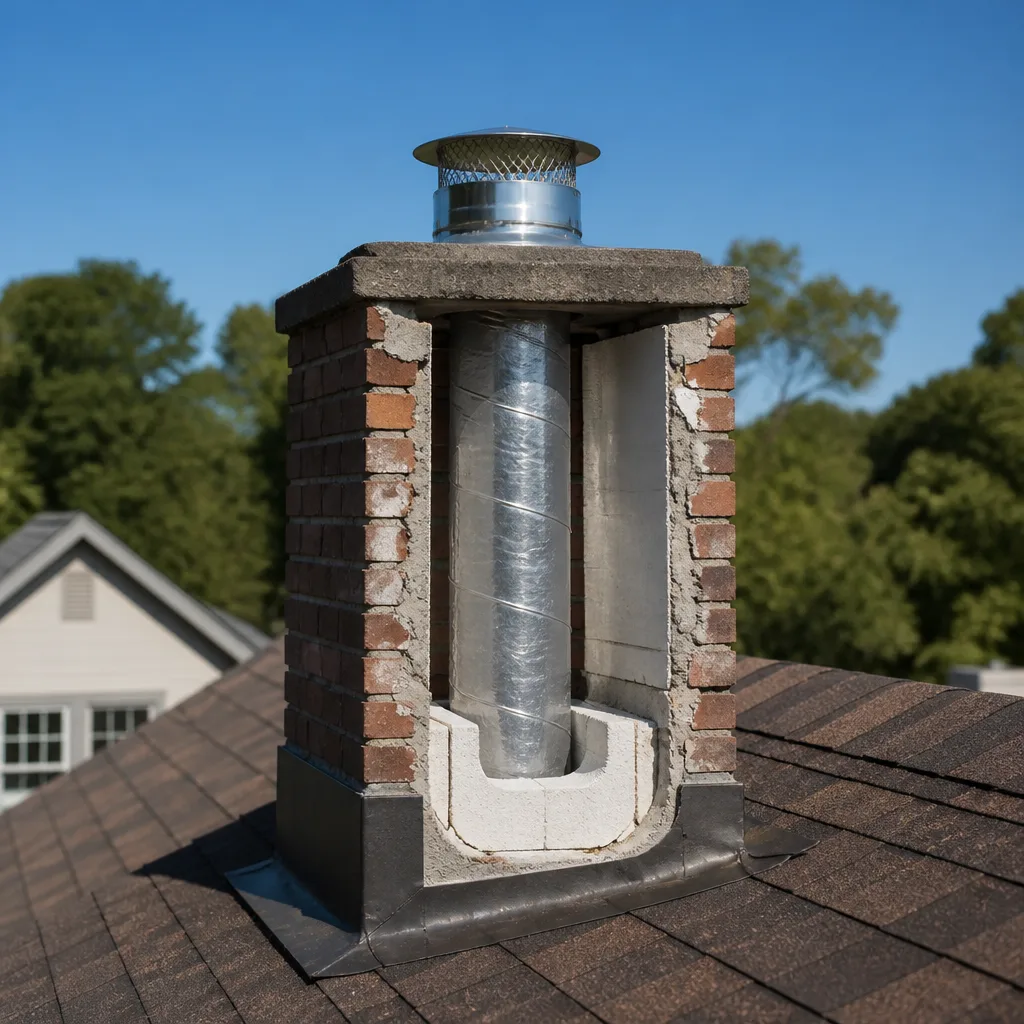 Flue relining
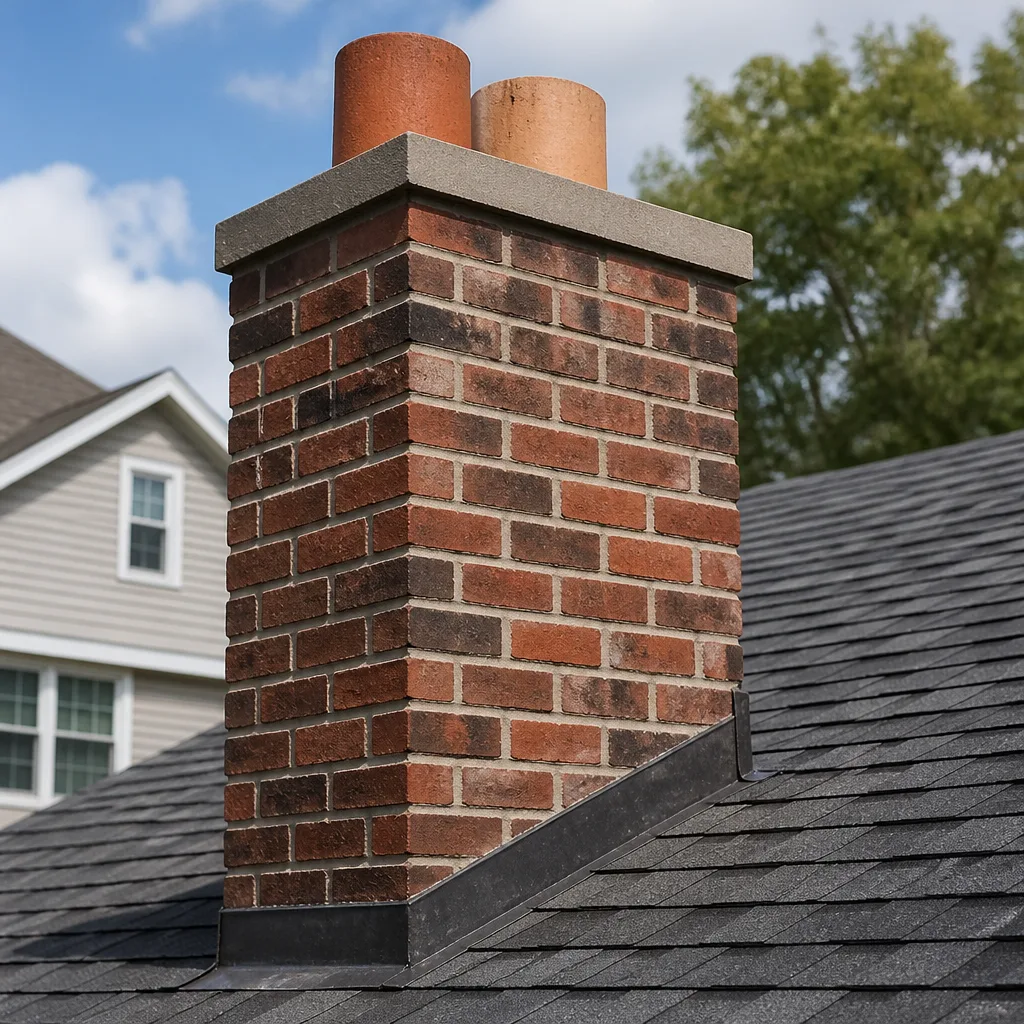 Masonry repair
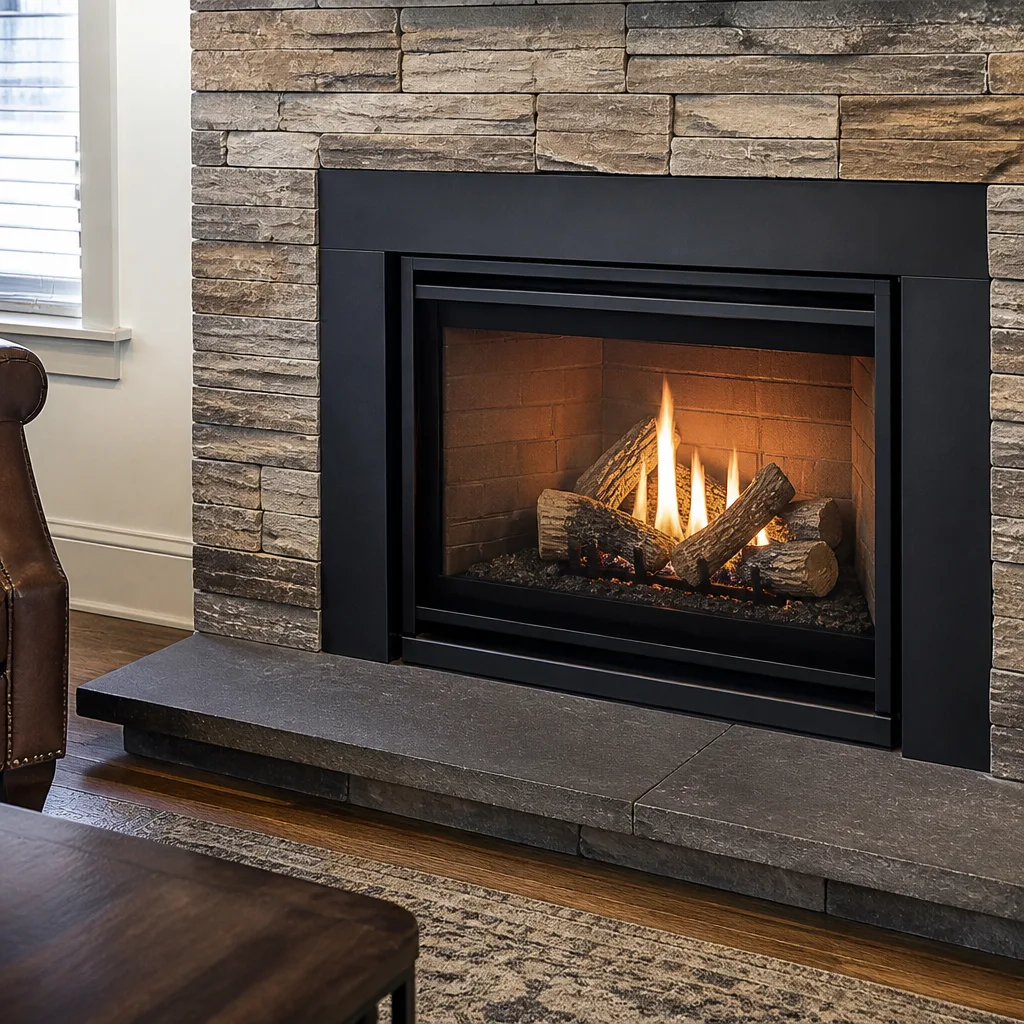 Gas fireplace service
Level 1 sweep and inspection to the NFPA 211 annual standard - flue, crown, cap, and flashing checked and photographed
Chimney sweep logs do not sweep chimneys. They loosen some creosote - which then falls where a brush and vacuum still have to collect it.
DIY vs Professional Chimney Cleaning: The French Park Homeowner’s Decision Guide
You can rent chimney brushes at most hardware stores, and the brushing itself isn’t complicated. Here’s the problem: the reason you clean a chimney is to see what’s there, and without a camera or a trained eye on the smoke chamber and liner, you’ve done the labor without getting the information. In French Park, where prefab metal fireplaces are common and the fire season puts a premium on documented maintenance, that gap matters more than the brushing. This guide draws the line between what you can legitimately do yourself and what needs a professional, so you can decide on facts instead of guesswork.
Quick Answer
A homeowner can safely handle surface-level tasks like clearing ash from the firebox, keeping the cap free of debris, and maintaining a clean hearth area, but actual flue cleaning should be done by a professional because the cleaning and the inspection are inseparable. A sweep without a camera evaluation of the smoke chamber and liner gives you a clean flue and no information about its condition. In French Park, professional cleaning and inspection run as a single service, and that’s the part most DIY efforts can’t replicate.
Styles & brands we work with
- Sweep & inspection
- Caps & crowns
- Flue relining
- Masonry repair
- Gas fireplace service
Table of Contents
- What a Homeowner Can Legitimately Do Themselves
- What Requires Professional Equipment and Training
- The Hidden Cost of DIY Chimney Cleaning
- Why Prefab Metal Fireplaces Are More Sensitive to Improper Cleaning
- The California Fire Liability Angle
- The Case for DIY Maintenance Between Professional Visits
- How a Professional Cleaning Actually Works
- When to Call a Professional
What a Homeowner Can Legitimately Do Themselves
There are real tasks a homeowner can handle without specialized equipment or training, and doing them well extends the time between professional visits. The key is knowing which tasks fall into that category and which don’t. In French Park, where many homes have wood-burning fireplaces that see regular use through the cooler months, a few simple habits go a long way.
Here’s what a homeowner can do safely:
- Clear ash from the firebox. Once the fire is fully out and the ash has cooled, scooping it into a metal container is safe and straightforward. Don’t vacuum warm ash into a household vacuum.
- Keep the firebox and hearth clean. Sweeping up debris and wiping down the glass on a fireplace door is cosmetic maintenance that doesn’t touch the flue.
- Check the cap from the ground. A visual check with binoculars tells you whether the cap is intact, whether birds have nested, or whether debris is visibly blocking it. Don’t climb onto the roof to check it.
- Remove creosote from the firebox walls. Light surface buildup on the firebox itself can be scraped with a putty knife, but heavy, glazed creosote is a different matter.
- Burn seasoned wood. This is the single most effective maintenance task a homeowner controls. Wet or green wood produces far more creosote than dry, seasoned wood, and it’s a choice made before the fire is ever lit.
What these tasks share is that none of them require you to evaluate the interior of the flue. They’re custodial. They keep the firebox presentable and reduce the rate at which creosote accumulates, but they tell you nothing about the condition of the liner, the smoke chamber, or the crown.
What Requires Professional Equipment and Training
The tasks that genuinely require a professional are the ones where the equipment matters and the judgment matters more. A chimney sweep in French Park isn’t just brushing a flue; the sweep is the entry point to an inspection that evaluates the whole system. Here’s what falls firmly on the professional side:
- Full flue cleaning with the right brush for the liner type. Masonry flues, stainless liners, and prefab metal chimneys each require different brush materials and techniques. Using the wrong brush on a stainless liner can scratch or damage it.
- Camera inspection of the smoke chamber and liner. The smoke chamber is the tapered section above the damper and below the flue. It’s the part most prone to creosote buildup and the hardest to see without a camera. A trained technician reads what the camera shows and knows what it means.
- Creosote assessment and removal. Stage 3 glazed creosote is a fire hazard and can’t be removed with a standard brush. It requires chemical treatment or mechanical removal, and identifying it is a judgment call.
- Liner evaluation. Cracks, gaps, and deterioration in a liner are not always visible from the firebox. A camera inspection reveals them, and the decision about whether a liner needs repair or replacement requires knowing the material and the code requirements that apply.
- Crown and cap inspection. The crown and cap are the chimney’s first line of defense against water and wildlife. Evaluating their condition means getting onto the roof safely and knowing what to look for.
- Documentation. A professional inspection produces a written record of what was found. That record matters for insurance and for tracking the system’s condition over time.
We work exclusively on chimneys, and the reason that matters here is simple: the judgment required to look at a smoke chamber or a liner and know whether it’s safe is built from doing that work repeatedly, on chimneys only. Our technicians have up to 15 years of experience, and that experience is spent entirely on chimney systems.
The Hidden Cost of DIY Chimney Cleaning
The DIY calculation usually starts with the price of a brush and ends with the assumption that the rest is free. That assumption doesn’t hold up. Once you add up the materials a proper DIY cleaning requires, the cost gap narrows considerably, and the gap in information doesn’t close at all.
Here’s what a legitimate DIY setup involves:
- Brushes sized to your flue. A brush that’s too small won’t clean the walls; one that’s too large can damage the liner. Most homeowners need more than one size.
- Extension rods. A flue runs the full height of the chimney. Reaching the top requires a set of rods long enough to get there.
- Drop cloths and plastic sheeting. Chimney cleaning produces fine ash and soot that settles on everything in the room. Containing it takes more coverage than most people expect.
- A vacuum rated for fine ash. A standard shop vacuum’s filter clogs quickly with chimney ash, and the fine particles can pass through and redistribute into the room. A HEPA-rated ash vacuum is the right tool, and it’s a meaningful purchase.
- Respiratory protection. Soot and creosote particles are a respiratory irritant. A proper mask is not optional.
- Disposal. Ash and soot have to go somewhere, and disposal in a household trash can is not appropriate for large quantities of fine ash.
Add those up and the material cost of a one-time DIY cleaning is real. But the larger cost is the one that doesn’t show up on a receipt: a homeowner who cleans the flue themselves has no camera record, no assessment of the smoke chamber, no evaluation of the liner, and no documentation. The labor was done; the information wasn’t gathered. That’s the false economy at the center of the DIY question in French Park.
A professional quote covers the cleaning, the inspection with camera and photo report, and a written assessment of what was found. The estimate is free and the price is set per job by the written estimate, so there’s no guessing about what the work will cost before it’s booked.
Why Prefab Metal Fireplaces Are More Sensitive to Improper Cleaning
Prefab metal fireplaces are common in French Park, and they behave differently from masonry chimneys under a brush. A prefab unit is a manufactured system with a stainless steel or galvanized liner inside a metal chase, and the liner is thinner and more precisely engineered than a masonry flue. Improper cleaning technique can damage it in ways that aren’t immediately obvious.
What goes wrong with prefab systems:
- The wrong brush scores the liner. A stiff polypropylene brush is the right tool for a stainless liner; a wire brush can scratch the surface and create points where corrosion starts.
- Aggressive rod work bends or dislodges liner sections. Prefab liners are assembled in sections with joints. Forcing a brush through at the wrong angle can separate a joint or bend a section, and a separated joint is a pathway for creosote and smoke to reach the chase.
- Missing the offset. Many prefab installations have an offset or a transition between the firebox and the flue. A brush that goes straight up without navigating the offset leaves part of the system uncleaned.
- Damaging the damper or the firebox connections. The connection between the firebox and the flue is a sealed joint. Rod work that’s too aggressive can compromise it.
None of this is a reason to be afraid of your fireplace. It’s a reason to have the cleaning done by someone who knows the difference between a masonry flue and a prefab liner and adjusts the technique accordingly. When a liner does need replacement, the material matters too, which is why we work with professional-grade brands like DuraFlex and Olympia Chimney: the same components specified by certified chimney professionals. The right liner installed correctly is what makes a prefab system safe for the long run.
The California Fire Liability Angle
California’s fire liability environment puts a specific weight on documented chimney maintenance. After a chimney fire, an insurance adjuster’s first question is usually not about the fire itself but about the maintenance history: when was the chimney last swept, who did it, and what did they find? A homeowner who has been cleaning the flue themselves has no third-party record to point to, and that gap can complicate a claim.
Here’s what adjusters typically look for:
- A record of the last professional inspection. A dated report from a qualified technician establishes that the chimney was evaluated and its condition was known.
- Evidence that identified issues were addressed. If an inspection found a cracked liner or heavy creosote and the work was done, the record shows it.
- Documentation of the cleaning itself. A written record of the sweep, including what was found and removed, is the maintenance trail.
DIY cleaning doesn’t produce that record. It’s not that DIY cleaning is inherently negligent; it’s that it’s undocumented, and documentation is what an adjuster asks for. The same logic applies to the structural side of the system. A chimney cap & crown that’s been evaluated and maintained by a professional has a history behind it; one that’s been ignored doesn’t. In a fire liability environment, that history is worth having.
The other side of this is that a professional inspection can catch a problem before it becomes a claim. A cracked liner or a damaged crown found during an annual visit is a repair; the same problem found after a chimney fire is a loss. That’s the practical case for professional evaluation in French Park, and it has nothing to do with scare tactics.
The Case for DIY Maintenance Between Professional Visits
There is a real role for DIY maintenance, and it’s between professional visits rather than instead of them. The distinction is between maintaining the firebox and the burn habits, which a homeowner can do well, and evaluating the flue, which requires equipment and training. When you keep the two separate, DIY becomes genuinely useful rather than a substitute for inspection.
A sensible between-visits routine in French Park looks like this:
- Burn seasoned wood only. Wood with a moisture content above roughly 20 percent produces significantly more creosote. Splitting a piece and checking it with a moisture meter is a five-minute task that pays off all season.
- Keep fires hot and don’t smolder. A slow, smoldering fire deposits far more creosote than a hot, active one. Small, hot fires are cleaner than large, damped-down ones.
- Clear ash regularly. A firebox with a deep ash bed burns less efficiently. Scoop cooled ash into a metal container and dispose of it safely.
- Check the cap monthly from the ground. Binoculars will tell you if a bird has nested or if debris has collected on the cap. Don’t climb the roof to do it.
- Watch for changes in draft. A fireplace that suddenly smokes more or drafts poorly is telling you something has changed. Note it and mention it at the next professional visit rather than trying to diagnose it yourself.
- Schedule the annual inspection. One professional visit a year, with a camera inspection and a written report, is the backbone of the whole routine. The between-visits work makes that visit more productive.
What this routine shouldn’t include is brushing the flue, attempting to remove glazed creosote, or getting onto the roof to inspect the crown and cap. Those tasks require the right equipment and, more importantly, the judgment to know what you’re looking at. A sweep and an inspection are the same visit for a reason.
How a Professional Cleaning Actually Works
Knowing what a professional cleaning involves helps you evaluate a quote and understand what you’re paying for. A proper visit in French Park covers more than the flue, and the difference shows up in what you learn about your system. Here’s the sequence a thorough cleaning and inspection follows:
- Setup and protection. Drop cloths go down around the firebox and hearth, and a HEPA-rated vacuum runs throughout to capture fine ash at the source.
- Firebox and damper inspection. Before any brushing, the technician looks at the firebox, the damper, and the smoke chamber to establish a baseline and identify anything that needs attention.
- Flue cleaning with the correct brush for the liner. Masonry, stainless, and prefab liners each get the brush material and technique they require.
- Camera inspection of the smoke chamber and liner. A camera run through the flue reveals cracks, gaps, creosote staging, and joint separations that can’t be seen from below. The photo report is part of what you’re paying for.
- Exterior check. The crown, cap, flashing, and masonry are evaluated from the roof. This is where water intrusion and wildlife entry are caught before they cause damage.
- Written report and explanation. The technician explains what was found, what it means, and whether any repair is needed now or can wait.
That last step is the one that matters most for the DIY question. A professional cleaning doesn’t just leave you with a clean flue; it leaves you with information. The camera inspection and photo report are included because without them the cleaning is only half the job. If a repair is recommended, it’s recommended on the basis of evidence you can see for yourself, and if the work can safely wait, we say so.
When repairs are needed, we work with brands like HeatShield for liner restoration and Copperfield for liner and venting components. The scope stays within the chimney system, from the firebox to the cap, so there’s one point of contact for the whole assembly. That’s what a single-trade specialist means in practice: a Chimney Sweep French Park visit is a chimney visit, not a general home-services call.
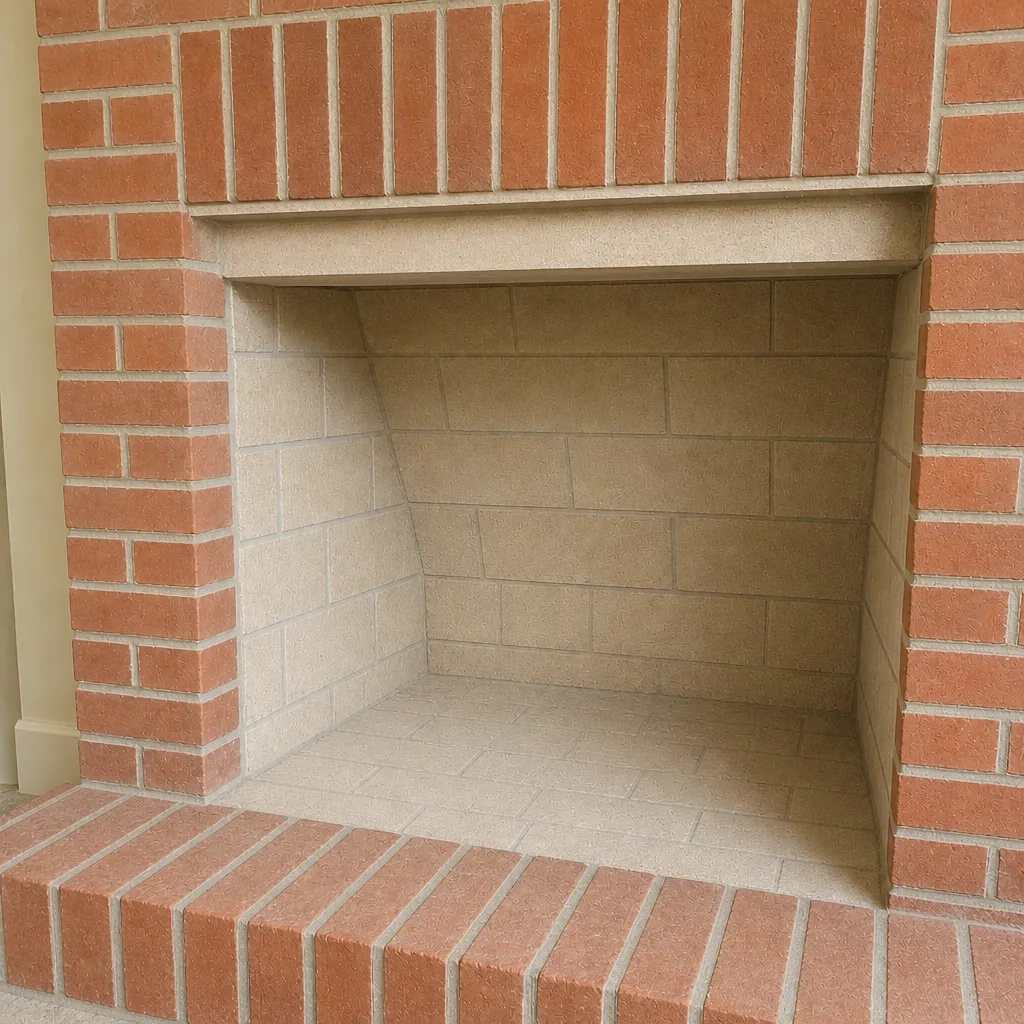
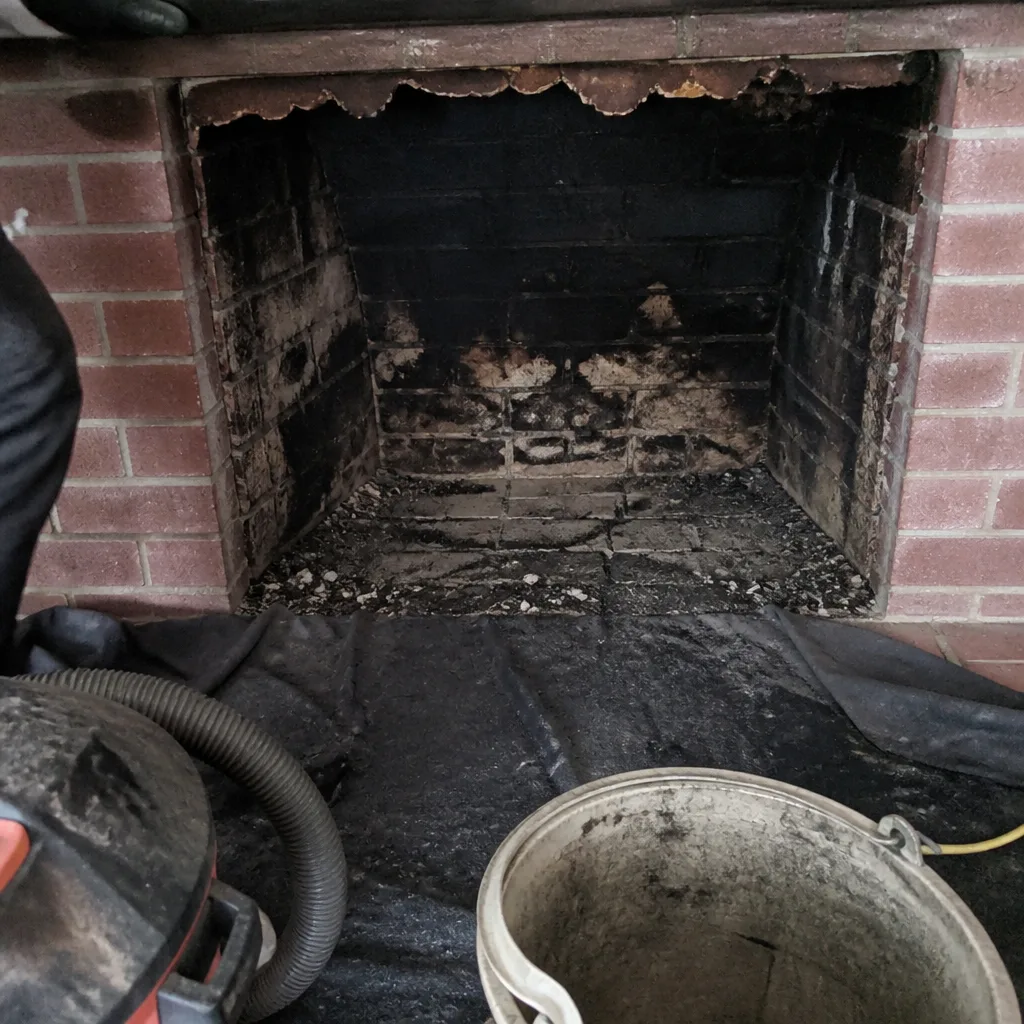
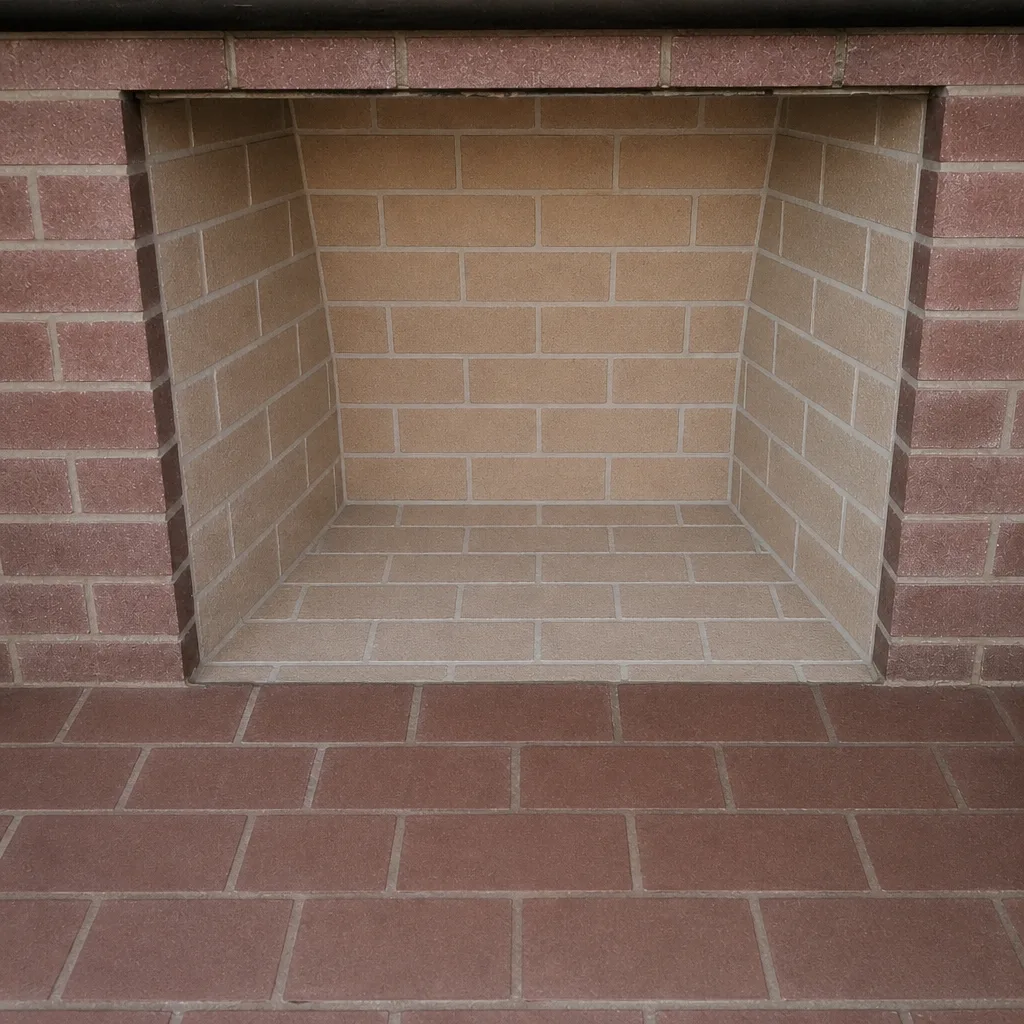
See the difference
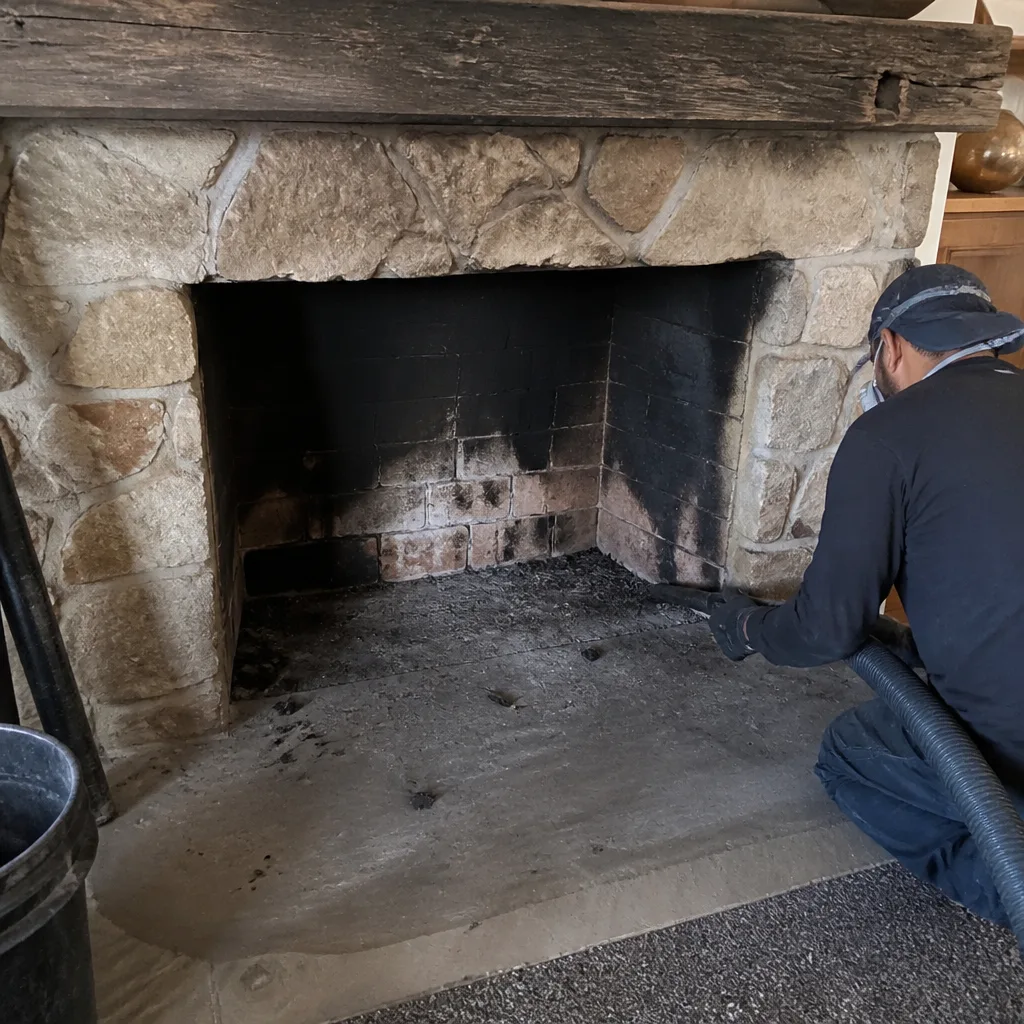 Before
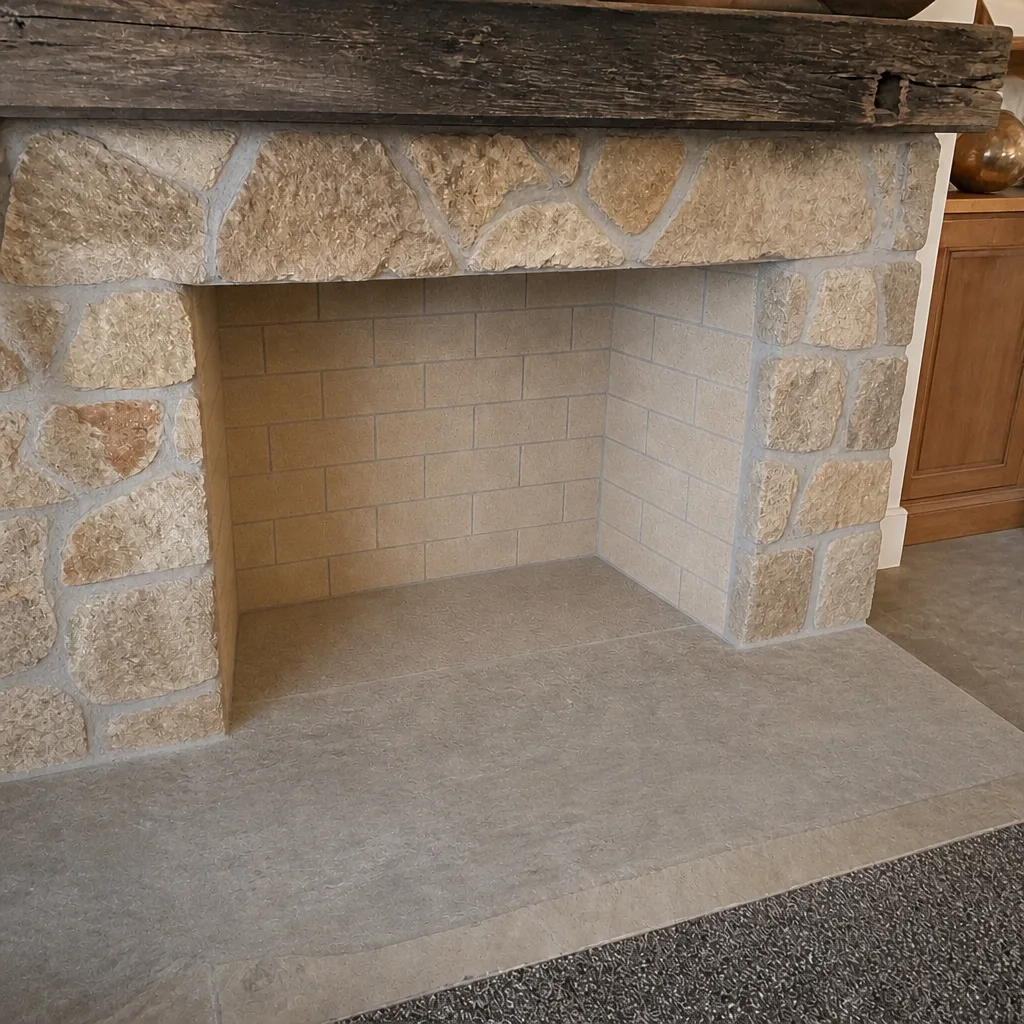 After
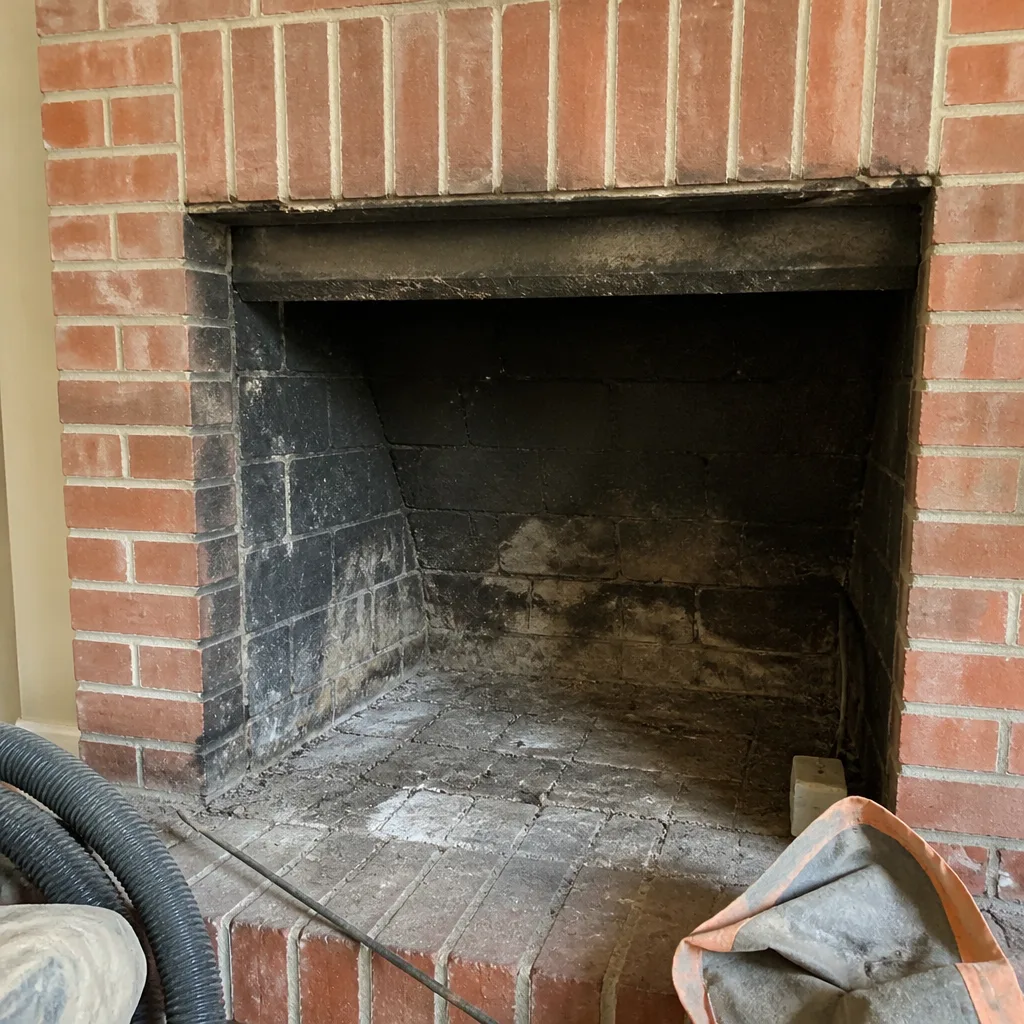 Before
 After
 Before
 After
Common Mistakes to Avoid
- Assuming a clean flue means a safe flue. A flue can be brushed clean and still have a cracked liner or a deteriorated smoke chamber. The cleaning and the inspection have to happen together, which is why a chimney sweep in French Park includes a camera evaluation as part of the service.
- Using a wire brush on a stainless liner. Prefab metal fireplaces are common in French Park, and a wire brush can score the liner and create corrosion points. The right brush for the liner type is not optional.
- Skipping the roof check. A cleaning that only covers the firebox and flue misses the crown, cap, and flashing, which are the most common sources of water intrusion. The exterior is part of the system.
- Burning green or wet wood to save money. Wet wood produces more creosote, which means more frequent cleaning and a higher fire risk. Seasoned wood is cheaper over a season than the buildup it prevents.
- Cleaning without documentation. A DIY cleaning leaves no record. After a chimney fire, the insurance adjuster asks for maintenance history, and a written report from a professional is what answers that question.
- Putting off the annual inspection because the fireplace “seems fine.” Most chimney problems don’t announce themselves. A liner crack or a crown crack is invisible from the living room, and the annual inspection is how it gets found before it becomes a repair.
- Attempting to remove glazed creosote with a brush. Stage 3 creosote is hard and glazed, and a standard brush won’t touch it. It requires professional treatment, and trying to force it can damage the liner.
When to Call a Professional
Some situations clearly call for a professional rather than a DIY effort. If you’ve never had the chimney inspected, or it’s been more than a year since the last inspection, that’s the first one. If you notice a strong creosote smell, draft problems, smoke backing into the room, or visible damage to the cap or crown, those are signs the system needs an evaluation. If you’ve had a chimney fire, even a small one, the flue needs inspection before it’s used again. If your home has a prefab metal fireplace and you’re not certain of the liner’s condition, a camera inspection answers the question. And if you’re buying or selling a home in French Park, a documented inspection is part of the transaction.
Chimney Sweep French Park offers free estimates in French Park. Call (833) 482-6444. We answer 24/7. Fast dispatch from 7am to 7pm, Sunday through Friday.
Frequently Asked Questions
You can handle surface-level tasks like clearing ash and keeping the firebox clean, but flue cleaning should be done by a professional because the cleaning and the inspection are inseparable. Without a camera evaluation of the smoke chamber and liner, you’ve done the labor without getting the information. Call (833) 482-6444 for an exact quote; estimates are free.
A chimney sweep in French Park is priced per job by a written estimate, and the estimate is free. The quote covers the cleaning, the camera inspection, and the photo report, so you know what the work includes before it’s booked. Call (833) 482-6444 for an exact quote; estimates are free.
Yes, because the inspection is the part you can’t replicate at home. A camera inspection reveals cracks, joint separations, and creosote staging in the smoke chamber and liner that aren’t visible from the firebox, and a trained technician knows what those findings mean. Call (833) 482-6444 to book one; estimates are free.
Prefab liners are thinner and assembled in sections, so the wrong brush or aggressive rod work can score the liner, separate a joint, or miss an offset in the flue. A masonry flue tolerates more abuse than a stainless prefab liner does. If your French Park home has a prefab fireplace, the cleaning technique matters more, not less.
It can, because after a chimney fire the adjuster typically asks for maintenance records, and a DIY cleaning leaves none. A dated professional inspection report establishes that the chimney was evaluated and any identified issues were addressed. Call (833) 482-6444 to start a documented maintenance record; estimates are free.
Burn seasoned wood, keep fires hot rather than smoldering, clear cooled ash regularly, check the cap from the ground with binoculars, and note any changes in draft. Don’t brush the flue, attempt to remove glazed creosote, or get on the roof. The between-visits work makes the annual visit more productive without substituting for it.
The Bottom Line
The DIY versus professional question comes down to what you’re actually trying to get out of a chimney cleaning. If the goal is a brushed flue, a homeowner can rent the tools and do the labor. If the goal is knowing whether the chimney is safe, the cleaning has to come with an inspection, and that’s the part that requires equipment, training, and documentation. In French Park, the sensible split is DIY maintenance between visits and a professional cleaning and inspection once a year. That routine keeps the firebox in good shape, catches problems before they become repairs, and leaves you with a record that matters if anything goes wrong. When a repair is recommended, it should come with camera evidence you can see, and if the work can safely wait, we say so.
Chimney Sweep French Park offers free estimates in French Park. Call (833) 482-6444. We answer 24/7. Fast dispatch from 7am to 7pm, Sunday through Friday. From a routine sweep to a fireplace repair, it’s one call, one specialist.
Written by the team at Chimney Sweep French Park.