
Last updated November 25, 2026
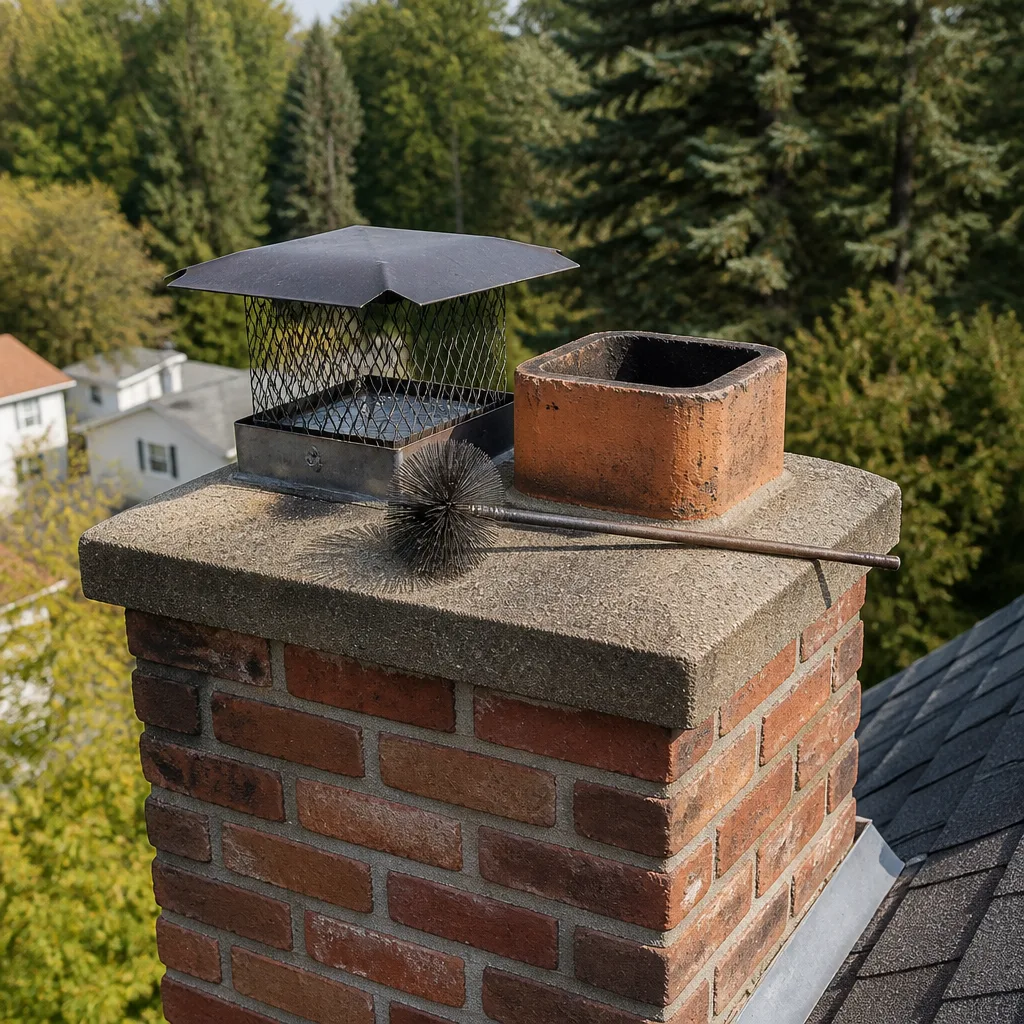 Sweep & inspection
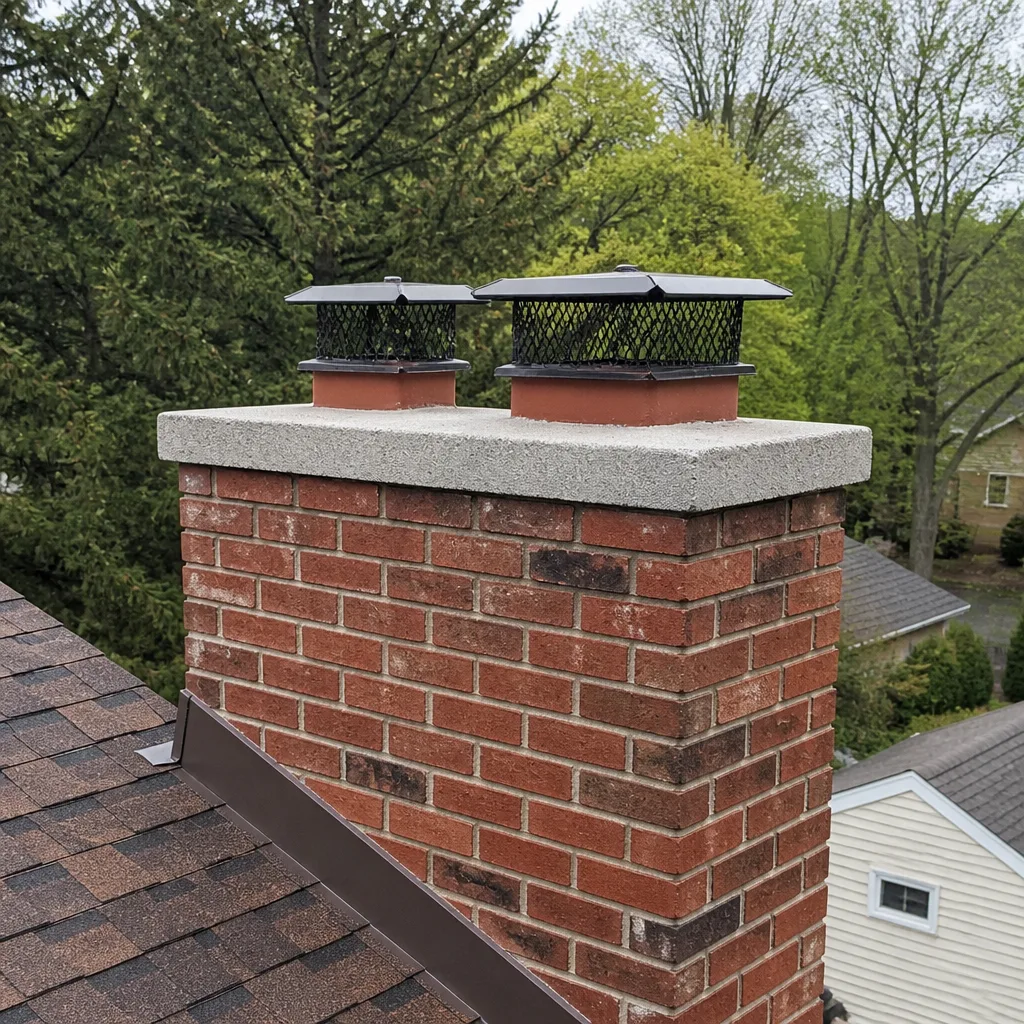 Caps & crowns
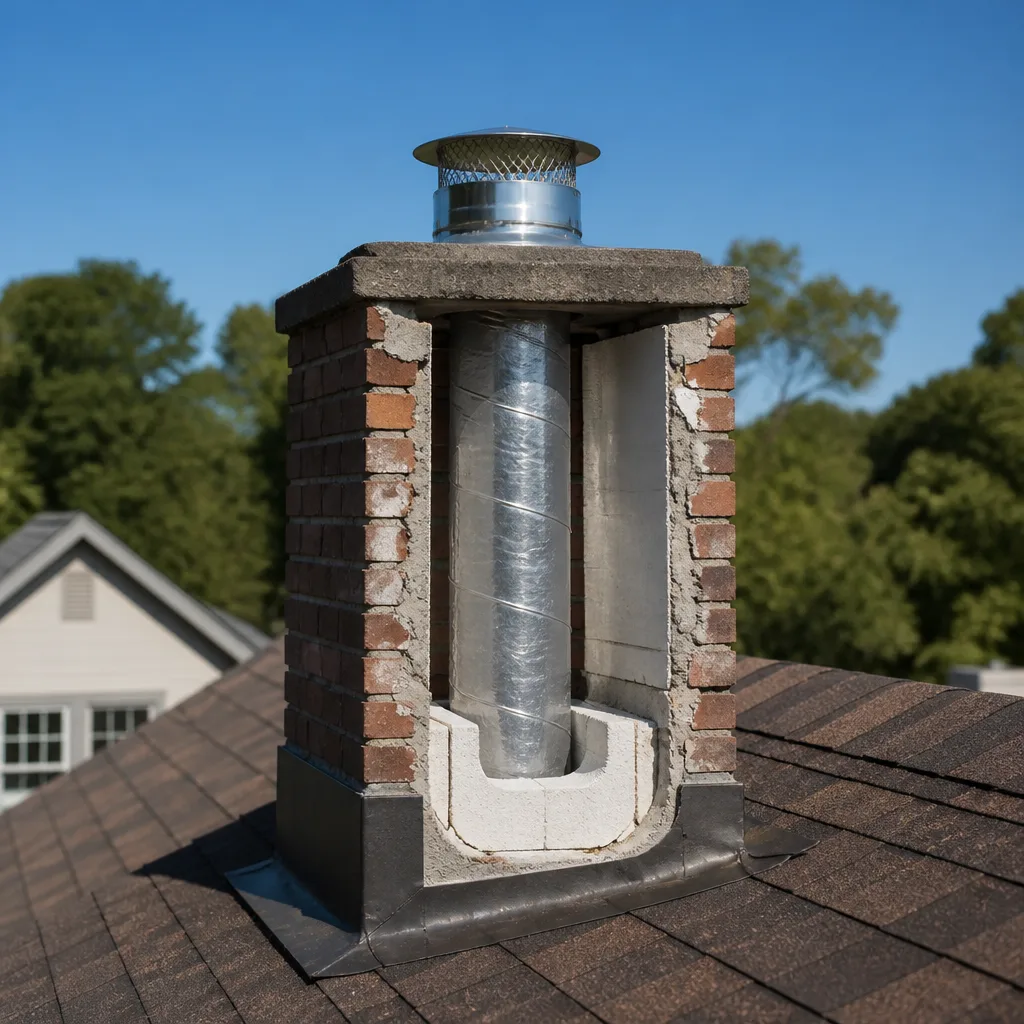 Flue relining
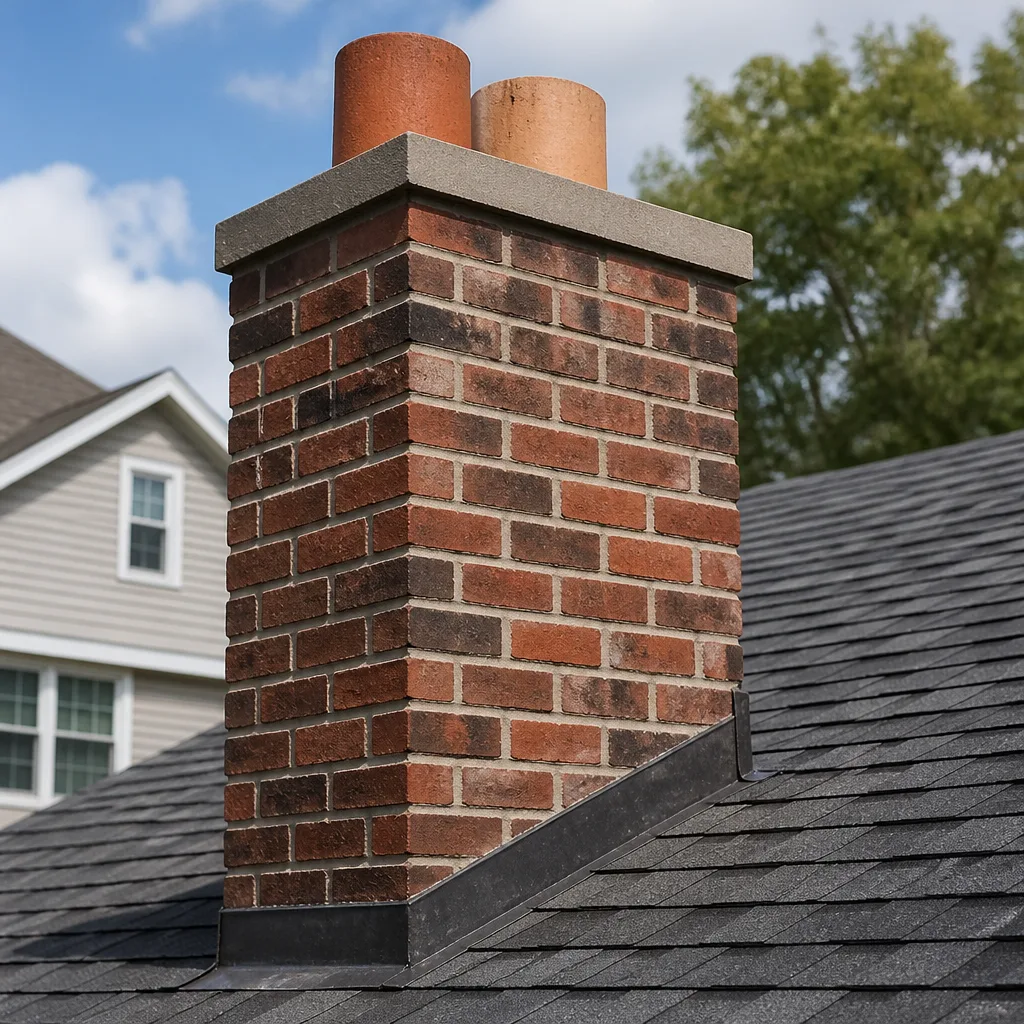 Masonry repair
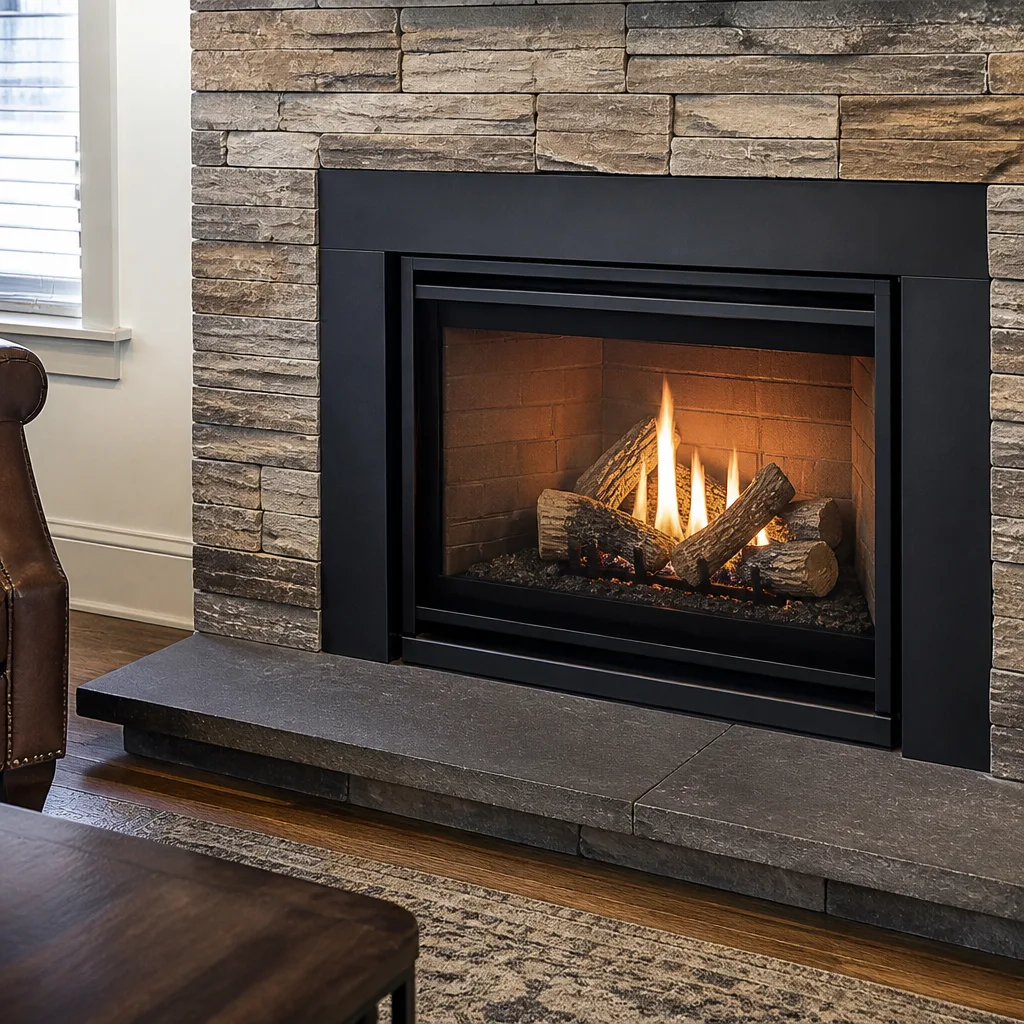 Gas fireplace service
Level 1 sweep and inspection to the NFPA 211 annual standard - flue, crown, cap, and flashing checked and photographed
Chimney sweep logs do not sweep chimneys. They loosen some creosote - which then falls where a brush and vacuum still have to collect it.
Chimney Sweep Troubleshooting in French Park: Common Problems and How to Fix Them
A smoky fireplace and a rusted damper look like two separate problems. Nine times out of ten, they share the same cause, and fixing just one guarantees the other gets worse. That’s the frustrating thing about chimneys: the symptoms show up in one place while the source sits somewhere you can’t see. Homeowners in French Park search for answers to a dozen different chimney complaints, but most of them trace back to water, airflow, or creosote. This guide teaches you to read those signals correctly, decide what you can safely monitor, and know the moment a problem needs a trained eye before your next fire.
Quick Answer
Most chimney problems in French Park come down to three root causes: water getting into the masonry or flue, restricted airflow from a blockage or pressure imbalance, and creosote buildup that narrows the flue. You can safely monitor draft behavior, smoke patterns, and exterior staining yourself, but anything involving the flue interior, the liner, or heavy glazed creosote needs a professional inspection before you burn again. A certified sweep with a camera is the only reliable way to confirm what’s actually happening inside the chimney.
Styles & brands we work with
- Sweep & inspection
- Caps & crowns
- Flue relining
- Masonry repair
- Gas fireplace service
Table of Contents
- Draft Problems vs. Combustion Problems: How to Tell Them Apart
- The Three Stages of Creosote and Why the Difference Changes Everything
- Water Intrusion, Efflorescence, and the Crown Connection
- How French Park’s Climate Accelerates Masonry Damage
- A Decision Tree: What to Monitor and What Needs a Pro
- Reading Smoke and Smell: A Field Guide for Homeowners
- Component-by-Component Troubleshooting
- When to Schedule an Inspection in French Park
Draft Problems vs. Combustion Problems: How to Tell Them Apart
These two categories get confused constantly, and the mistake costs homeowners money because the fix for one does nothing for the other. Draft problems are about airflow and pressure. Combustion problems are about what’s actually burning and what’s left behind. Your nose and your eyes can separate them before anyone touches a tool.
Draft problems announce themselves through smoke behavior. If smoke rolls out of the firebox opening when you first light a fire and then settles once the flue warms up, that’s a pressure or temperature issue, not a blockage. If smoke spills consistently throughout the burn no matter how hot the fire gets, the flue is likely blocked or undersized. If smoke puffs back into the room only when the kitchen exhaust fan, bathroom fan, or clothes dryer runs, you’re looking at a house-pressure problem, where the chimney is competing with other exhaust appliances for the same air.
Combustion problems show up differently. You’ll smell them before you see them: a sharp, acrid, tar-like odor that lingers even when there’s no fire. That’s creosote, and it means the wood isn’t burning cleanly or the flue is too cool to carry the byproducts out. A strong smoke smell on warm days when the fireplace is cold points to a downdraft or a flue that’s holding residue.
Here’s the practical split:
- Smoke that clears as the fire heats up = draft, usually fixable by pre-warming the flue.
- Smoke that never clears = blockage or liner problem, needs a pro.
- Smoke only when other exhaust fans run = pressure imbalance, needs a pro to evaluate make-up air and flue height.
- Tar smell with no fire = creosote accumulation, needs a sweep.
- Chemical or musty smell with no fire = water intrusion, needs an inspection.
In French Park, we see the pressure category more often than homeowners expect, especially in tighter, well-sealed homes where any air the chimney pulls has to come from somewhere. If your house was recently weatherized, that can tip a marginal draft into a chronic one.
The Three Stages of Creosote and Why the Difference Changes Everything
Creosote isn’t one substance. It’s a family of deposits that form in stages, and the stage determines whether a standard sweep does the job or whether you need chemical treatment or a liner assessment. Knowing what you’re looking at helps you understand your sweep’s recommendation instead of just taking it on faith.
Stage 1 is the light, flaky, soot-like dust that brushes off easily. You’ll find it on the flue walls and the smoke chamber after a season of burning. A standard sweep with a rotary brush clears it completely. This is what a well-maintained chimney looks like when it’s swept on schedule.
Stage 2 is a denser, crusty, sometimes shiny deposit that clings to the flue. It forms when the flue runs cool and combustion byproducts condense before they escape. A brush alone won’t fully remove it. Your sweep will typically need a chemical creosote remover or a more aggressive rotary method. Stage 2 is where liners start to fail, because the deposits hold moisture against the metal or clay.
Stage 3 is glazed, hard, tar-like creosote that looks almost like a shiny black coating baked onto the flue. It ignites easily and it can’t be brushed off. Stage 3 is a fire hazard and usually signals either a chronic burning problem (unseasoned wood, smoldering fires, poor draft) or a chimney that’s gone years without service. The fix often involves chemical treatment over time, and in severe cases a liner replacement.
Why does this matter to a French Park homeowner? Because the climate here produces a specific pattern. Hot dry summers dry out the firebox and flue, then cool wet winters mean fires are often burned on cool days when the flue never fully warms. That cool-flue pattern is exactly what pushes deposits from stage 1 into stage 2 and, over enough seasons, stage 3. If you’ve noticed a shiny black film on your flue, that’s not something to brush off and forget.
Water Intrusion, Efflorescence, and the Crown Connection
Water stains on the back wall of a firebox and white efflorescence on the exterior crown are often the same leak presenting in two places. Homeowners treat them as separate mysteries. They’re not. Water gets in up top, travels down through the masonry or the flue, and shows up inside the firebox where you finally notice it. By the time you see interior staining, the exterior has been quietly absorbing moisture for a while.
Efflorescence is the white, chalky, salty-looking powder that appears on brick and mortar. It’s not mold and it’s not cosmetic. It’s the visible sign that water is moving through the masonry and pulling minerals to the surface as it evaporates. On a chimney crown, it usually means the crown has cracked, or the joint where the crown meets the flue is failing, or the flashing where the chimney meets the roof has pulled away.
The crown is the concrete cap at the very top of the chimney. Its job is to shed water away from the flue and the masonry below. A crown with a hairline crack is a slow leak waiting to become a fast one. A crown with a visible chunk missing or a separated edge is an active leak right now.
What to look for, from the ground with binoculars:
- Cracks in the crown – any crack wider than a hairline lets water in.
- White powder or staining on the crown or upper brick – efflorescence, means moisture is moving.
- Missing or loose chimney cap – a cap, not to be confused with the crown, keeps rain and animals out of the flue opening. If yours is damaged or gone, water goes straight down the flue.
- Rust streaks on the firebox or damper – metal components rust when they stay wet, which means water is getting in.
- Staining on the ceiling or wall near the chimney – if you see this inside the house, the leak has already bypassed the chimney.
Water is the single most destructive force on a chimney, more than fire over a long enough timeline. In French Park, the cool wet winters give masonry plenty of time to absorb moisture, and the hot dry summers bake it back out, driving the cycle that eventually spalls brick faces and erodes mortar joints. If you’re seeing efflorescence or interior staining, schedule a chimney cap & crown evaluation before the rainy season rather than after it.
How French Park’s Climate Accelerates Masonry Damage
The same climate pattern that makes French Park pleasant for most of the year is hard on masonry chimneys. Hot dry summers pull moisture from the brick and mortar. Cool wet winters push it back in. The cycle repeats every year, and each cycle moves the damage a little further along.
Mortar is the softest part of a masonry chimney, and it’s the first to go. As the mortar joints erode, water has an easier path into the brick. Brick faces then start to spall, which means the surface flakes or pops off, leaving a rougher, more porous face that absorbs even more water. Once spalling starts, it’s self-accelerating unless the masonry is repaired and sealed.
This is why we treat exterior masonry inspection as part of a normal chimney sweep visit rather than a separate add-on. The firebox and flue tell you about combustion. The exterior tells you about water and structure. You need both pictures to know what’s actually going on with the chimney.
In French Park, the pattern we see most often runs like this:
- Mortar joints on the chimney above the roofline begin to recede and soften.
- Small cracks open at the crown and the flashing seam.
- Water enters during the wet season and starts to erode the firebox from the inside.
- The damper rusts, the firebox back wall stains, and the fire starts smoking more than it used to.
By the time the smoking starts, the water problem is already well-established. That’s the case for catching it at step one or two, which is why an annual inspection matters more here than in a drier climate.
A Decision Tree: What to Monitor and What Needs a Pro
Not every chimney issue is urgent. Some things you can watch for a season. Others you shouldn’t burn through. Here’s the split we use when advising French Park homeowners.
Monitor these yourself, and note the pattern:
- Occasional smoke spill when first lighting a fire, clearing as the flue warms.
- Light stage 1 soot visible on the firebox walls.
- A faint creosote smell after a fire that fades by morning.
- Minor exterior staining that isn’t spreading.
These need a professional before the next fire:
- Smoke that never clears during a normal burn.
- Any shiny black glazed deposit on the flue walls (stage 3 creosote).
- Water staining on the firebox back wall or rusted metal components.
- Efflorescence on the crown or visible cracks in the crown or flashing.
- A strong chemical or musty smell that persists on warm days with no fire.
- Visible cracks in the flue tile or a liner that’s been deformed or pulled away.
- A chimney that’s leaning or has loose bricks in the stack above the roofline.
If your situation falls into the second list, the correct move is a camera inspection, not a guess. A technician who works exclusively on chimneys will run a camera down the flue and show you what’s on the screen before recommending anything. In our experience, that’s the only way a homeowner can verify whether a recommended repair is necessary or whether the chimney can safely wait a season.
Reading Smoke and Smell: A Field Guide for Homeowners
A chimney is a communication system, and the signs it gives you are consistent once you know how to read them. Here’s what each one usually means.
Thin gray smoke drifting up steadily after the fire is established is normal and healthy. That’s efficient combustion carried out of the flue.
Thick white or bluish smoke often means wet wood or a cool flue. If it persists after 30 minutes of burning, check your wood moisture. Wood that hisses or sizzles when lit is too wet, and wet wood is the number one driver of creosote buildup in this climate.
Dark brown or black smoke usually means smoldering or under-oxygenated combustion. Something is wrong with the burn, and it’s laying down creosote in the flue.
Smoke rolling out of the firebox at startup and settling after a few minutes is a draft and flue-temperature issue. Pre-warming the flue with a rolled newspaper or a fire starter held near the damper opening often resolves it.
Smoke that pours out of the firebox consistently is a blockage, a liner failure, or a serious pressure imbalance. Stop burning and call.
On smell:
- Wood smoke with no fire = downdraft or residue, often weather-dependent.
- Tar or creosote smell = deposits in the flue.
- Musty, damp, or chemical smell = water intrusion.
- Sharp acrid smell that lingers even after cleaning = stubborn deposit or a hidden cavity, needs inspection.
In French Park, we tell homeowners to note the weather when a smell appears. If it only happens on windy days or warm sunny days, it’s a pressure and airflow story. If it happens on still cold days, it’s a deposit story.
Component-by-Component Troubleshooting
Getting familiar with the parts of your chimney makes the troubleshooting much clearer. Here’s a walk through the standard assemblies and what their most common failure mode looks like.
The firebox. The open chamber where the fire burns. Staining on the back wall, crumbling firebrick, or a cracked hearth are the signs to watch. Firebox cracks can let heat reach the framing behind the masonry, which is a serious safety issue.
The damper. A metal door that opens and closes above the firebox. A damper that sticks, doesn’t fully open, or doesn’t seal closed is a common cause of both draft problems and losing heated air up the chimney when no fire is burning.
The smoke chamber and smoke shelf. The transition zone above the damper. Rough or heavily fouled smoke chambers can slow smoke and cause spill into the room, especially at startup.
The flue. The vertical passage that carries smoke up and out. Blockages, cracked tiles, and creosote accumulation happen here. A flue that’s undersized for the firebox opening will draft poorly no matter how well it’s cleaned.
The liner. The liner sits inside the flue and provides a smooth, contained path for smoke and gases. A damaged liner is a serious safety concern because it can let heat and gases reach surrounding materials. When a liner needs replacement, we use professional-grade systems like DuraFlex for stainless flexible liners or HeatShield for restoring a clay flue tile from the inside, both of which meet the standards certified chimney professionals rely on.
The cap. The metal or mesh cover over the flue opening. A damaged cap lets water and wildlife straight down the flue. Gelco and Olympia Chimney components are the kinds of professional-grade caps and venting parts we work with.
The crown. The concrete cap at the top of the masonry. As we covered earlier, cracks and deterioration here are the leading source of water intrusion.
The flashing. The metal seal where the chimney meets the roof. Flashing failures are usually a roofing concern, but a chimney specialist can identify the pattern and point you toward the right trade if the leak is roof-side rather than chimney-side.
When to Schedule an Inspection in French Park
The general rule is once a year, and more often if you burn wood heavily or notice any of the signs we’ve covered. In this climate, we suggest timing your inspection for late summer or early fall, before the wet season and before your first fire, so any water-related repairs can be done while the weather is dry.
Beyond the annual visit, schedule an inspection when:
- You move into a new home in French Park and don’t know the chimney’s history.
- You’ve changed fuel – for example, going from gas logs to wood, which changes the flue’s demands.
- You’ve had work done on the roof near the chimney, and want to confirm the flashing and cap are still sound.
- A storm has passed through and knocked down debris or left visible damage on the chimney exterior.
- You’ve noticed any of the signs in the decision tree above – don’t wait for the next annual visit.
- A fire has happened, as in an actual chimney fire event – even a small one, because heat stress can crack tiles without visible signs.
An inspection here is a full look at every component from the firebox to the cap, with a camera down the flue when necessary. You should walk away knowing exactly what condition your chimney is in and what, if anything, needs attention before the next fire.
Common Mistakes to Avoid
- Treating smoke spill and creosote smell as separate issues. They’re often the same problem seen from two angles. If you fix one without the other, the underlying cause stays.
- Burning unseasoned wood to “save money.” Wet wood produces more creosote and more smoke. In French Park’s cool-flue winters, that’s how stage 1 becomes stage 2 becomes stage 3 faster than you’d expect.
- Assuming efflorescence is cosmetic. That white powder on the brick is evidence of active water movement. Ignored, it leads to spalling brick and interior firebox damage.
- Brushing off a damaged crown for later. A hairline crack in the crown is a small repair now and a masonry rebuild later. Water wins every year you wait.
- Using a “chimney sweep” who also does plumbing, roofing, and general handyman work. Chimneys are their own system with their own codes and hazards. Use someone who does chimneys and only chimneys.
- Diagnosing a problem online and ordering a part. A rusted damper and a smoking fireplace might both respond to the same part, or might be a symptom of a liner crack. Diagnosis comes first.
- Skipping the camera inspection because “it looks fine from the ground.” The most significant problems – liner damage, glazed creosote, cracked tiles – are only visible from the inside.
See the difference
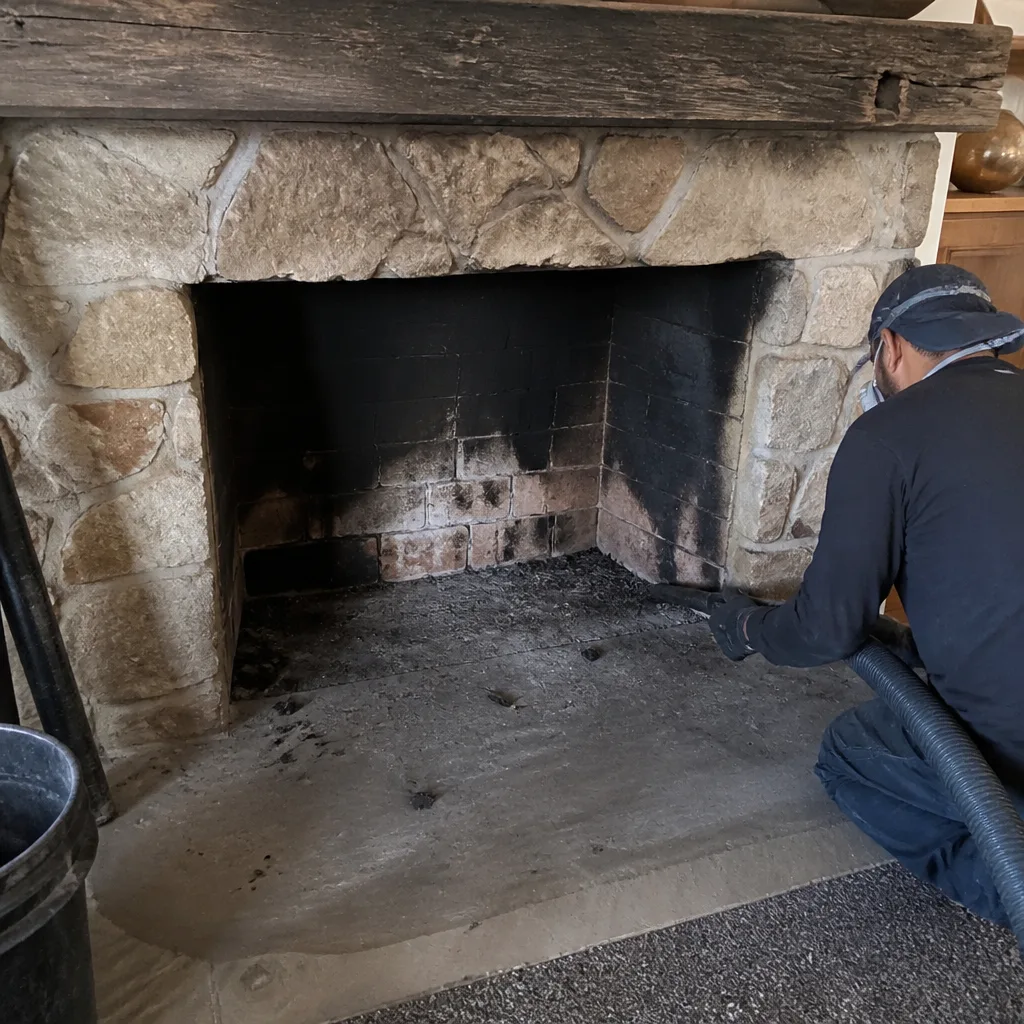 Before
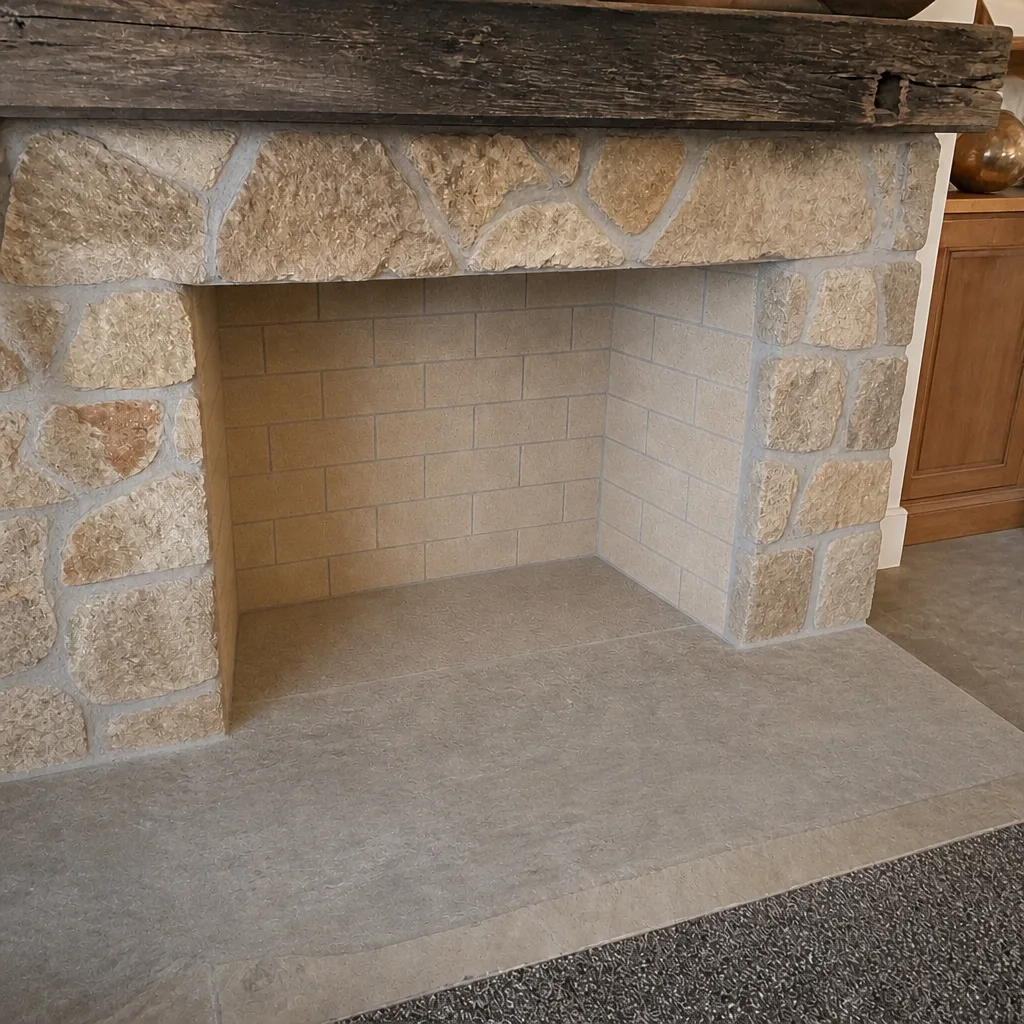 After
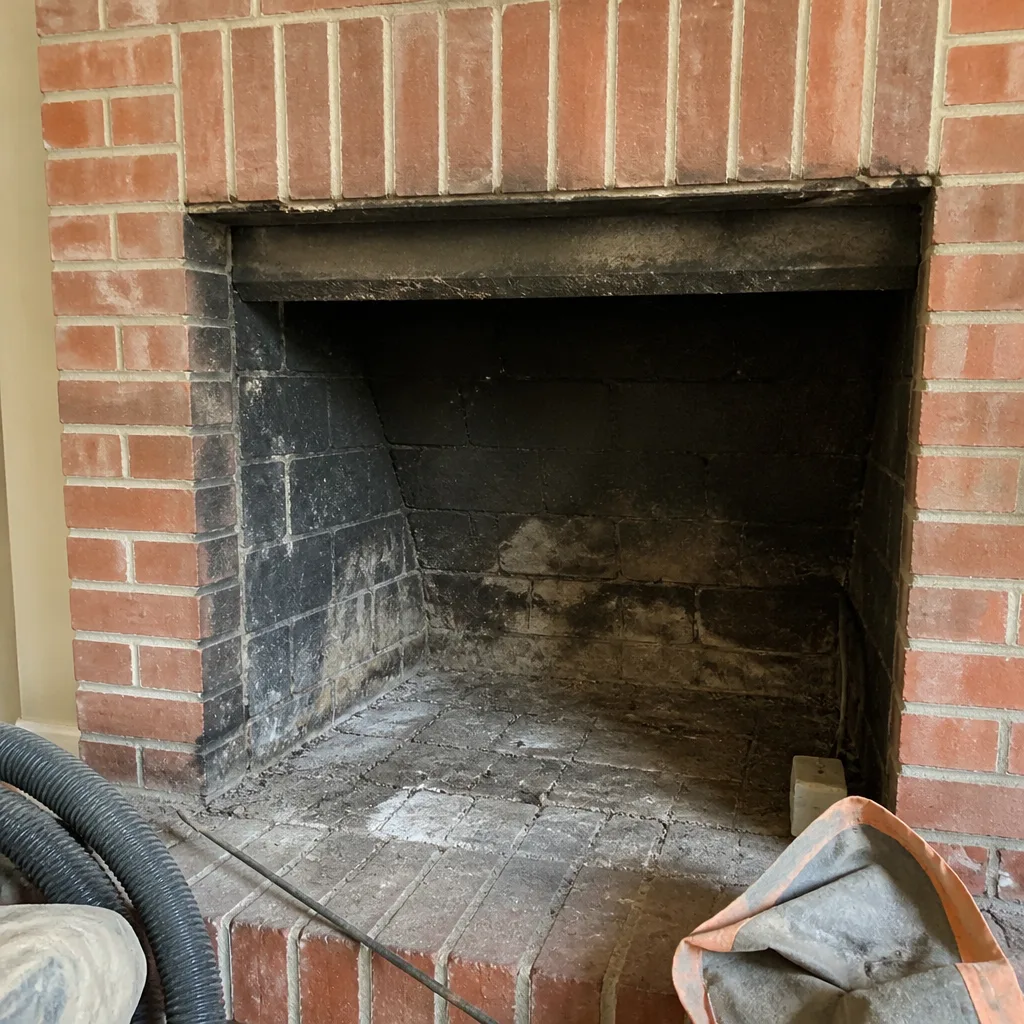 Before
 After
 Before
 After
When to Call a Professional
Call a professional when smoke doesn’t clear during a normal burn, when you smell tar or chemical odor on days with no fire, when you see efflorescence or cracks on the crown, or when your firebox or damper shows rust or staining. Call before your next fire if you’re in a new home in French Park and don’t know the chimney’s history. Call after any chimney fire event, even a small one. And call if the work ahead involves anything inside the flue – liner cracks, glazed deposits, or the smoke chamber – because that’s not a do-it-yourself area and the consequences of getting it wrong reach into the structure of the house.
Chimney Sweep French Park offers free estimates in French Park. Call (833) 482-6444. We answer 24/7. Fast dispatch from 7am to 7pm, Sunday through Friday.
Frequently Asked Questions
Water intrusion, usually traced to a cracked crown or a damaged cap. French Park’s wet winters push water into the masonry, and the visible symptoms – firebox staining, efflorescence on the crown, or a rusted damper – often show up long after the leak started. A camera inspection and a look at the exterior together confirm the source.
You can identify the pattern, and that’s genuinely useful. Note whether smoke spills only at startup (draft and flue temperature), only when other exhaust fans run (pressure), or consistently through the burn (blockage or liner problem). That pattern helps a technician diagnose faster, but the actual fix for anything beyond a startup draft issue calls for an inspection. Call (833) 482-6444 for an exact quote – estimates are free.
Stage 2 is crusty and clings but can be scraped. Stage 3 is glazed, shiny, hard, and tar-like, and it can’t be brushed off. If you can see a reflective black coating on the flue walls with a flashlight, that’s stage 3. Stop burning and schedule a sweep and inspection before the next fire. Call (833) 482-6444 for an exact quote – estimates are free.
Efflorescence itself isn’t dangerous, but it’s a signal that water is moving through your masonry. Left alone, that water erodes mortar and leads to spalling brick, and it can reach the firebox and rust your damper. Treat efflorescence as a prompt to schedule an inspection, not as a cosmetic issue. Call (833) 482-6444 for an exact quote – estimates are free.
Once a year for most homes, and more often if you burn wood heavily or have had a smoking or smell issue. In our climate, the cool-flue pattern during wet winters means deposits build faster than many homeowners expect. A yearly sweep catches stage 1 before it becomes stage 2. Call (833) 482-6444 for an exact quote – estimates are free.
You need a new liner if the existing one is cracked, deformed, or has separated from the flue tile – and the correct response to a liner recommendation is to ask to see the camera footage. Any reputable technician will show you the damage on screen before recommending replacement. When a liner is needed, professional-grade systems like DuraFlex and HeatShield are the standard materials, and the work should be detailed in a written estimate. Call (833) 482-6444 for an exact quote – estimates are free.
The Bottom Line
Most chimney problems in French Park trace back to water, airflow, or creosote – and the visible symptoms rarely match the root cause. A smoky fireplace and a rusted damper can share the same leak. A persistent tar smell and a hazy black film in the flue are the same story at different stages. Learn to read the signals, monitor what’s safe to monitor, and call for the rest. A camera inspection with a written report is how you verify what’s actually happening inside your chimney, and it’s the difference between solving a problem and postponing one.
If you’re ready to know what condition your chimney is in, call Chimney Sweep French Park at (833) 482-6444 for a free estimate. We answer 24/7. Fast dispatch from 7am to 7pm, Sunday through Friday. You’ll get a straight look at every component from the firebox to the cap, a fireplace repair recommendation only when the evidence supports it, and a written estimate that sets the final price before any work begins. Whether you’re due for a routine chimney sweep or need a full evaluation of your chimney system, it’s one call, one specialist. Visit Chimney Sweep French Park to see the full range of what we do.
Written by the team at Chimney Sweep French Park.